Best Silicone Overmolding Practices for Automotive Plastic Parts
Introduction:
In the highly competitive automotive industry, performance, durability, and aesthetic appeal are critical factors that influence consumer choice. Silicone overmolding has emerged as a game-changing technology for manufacturing robust, flexible, and visually appealing plastic components. This comprehensive guide delineates the best practices to optimize silicone overmolding processes for automotive plastic parts, ensuring superior quality, longevity, and compliance with industry standards.
Understanding Silicone Overmolding in Automotive Applications
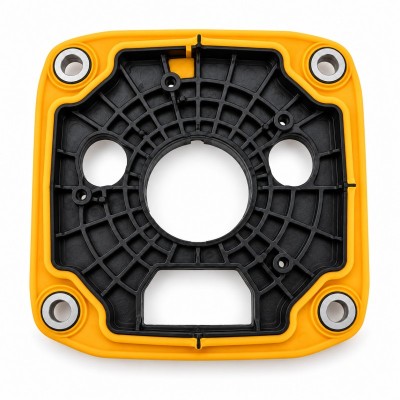
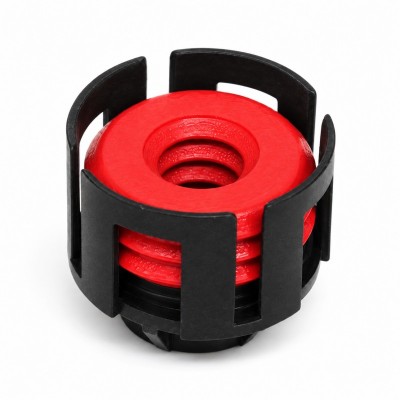
Silicone overmolding involves the encapsulation or coating of plastic parts with a silicone rubber layer, creating a multi-material component that combines the strength and rigidity of plastics with the flexibility, thermal stability, and chemical resistance of silicone. This process enhances shock absorption, sealing capabilities, electrical insulation, and aesthetic appeal—all critical in automotive designs.
Why Choose Silicone Overmolding for Automotive Parts?
Superior Flexibility and Elasticity: Silicone maintains flexibility over a broad temperature range, ensuring parts withstand thermal cycling and mechanical stresses.
Enhanced Chemical and Weather Resistance: Silicone's resistance to UV, ozone, and automotive fluids prolongs part lifespan.
Improved Tactile and Visual Quality: Silicone's smooth surface and customizable color options elevate product aesthetics.
Excellent Insulation Properties: Ideal for electrical components, reducing the risk of short circuits or electrical failures.
Key Factors for Successful Silicone Overmolding
Achieving optimal results in silicone overmolding requires meticulous attention to multiple factors, including material compatibility, surface preparation, mold design, processing parameters, and quality control.
1. Material Selection and Compatibility
Choosing the Right Silicone Rubber
Selecting the appropriate silicone rubber is paramount. Factors to consider include:
Type of Silicone: LSR (Liquid Silicone Rubber) offers high purity, fast curing times, and excellent flowability, making it ideal for high-precision automotive parts.
Hardness (Shore A): Typically ranges from 20 to 70 Shore A, depending on flexibility requirements.
Temperature Resistance: Automotive parts often experience extreme temperatures; select silicone with thermal stability up to 250°C.
Color and Additives: For aesthetic purposes, pigments and additives can be integrated without compromising performance.
Plastic Substrate Compatibility
The plastic substrate must be compatible with silicone rubber:
Surface Energy: Proper surface treatment ensures good adhesion; plastics like PC, PP, ABS, and PVC are commonly used.
Pre-treatment Methods: Use corona discharge, plasma treatment, or primer coatings to increase surface energy and promote adhesion.
2. Surface Preparation for Optimal Adhesion
Achieving strong and durable adhesion between silicone and plastic parts is the cornerstone of successful overmolding.
Surface Treatment Techniques
| Technique | Description | Benefits |
Corona Discharge | Exposes plastic surface to ionized air | Increases surface energy, improves wettability |
| Plasma Treatment | Uses ionized gases to modify surface | Uniform, environmentally friendly, effective |
| Primer Coatings | Application of adhesion-promoting primers | Enhances bonding strength, especially for low-energy plastics |
3. Mold Design and Engineering for Silicone Overmolding
Precision Mold Construction
Multi-Part Molds: Facilitate complex geometries and precise overmolding without defects.
Venting and Drainage: Adequate venting prevents air entrapment and voids.
Ejection Systems: Gentle ejection mechanisms avoid damage to silicone layers or substrates.
Material Compatibility: Use mold materials resistant to high temperatures and silicone curing agents.
Design for Manufacturability
Incorporate draft angles to ease demolding.
Design undercuts carefully to prevent molding defects.
Plan for overmolding thicknesses that balance flexibility and durability.
4. Processing Parameters for High-Quality Silicone Overmolding
Temperature Control
Mold Temperature: Typically maintained between 80°C to 120°C for optimal curing.
Silicone Curing Temperature: Follow manufacturer specifications; usually around 150°C for fast curing.
Injection Pressure and Speed
Use optimized injection parameters to prevent flash and air entrapment.
Maintain consistent pressure to ensure uniform layer thickness.
Curing Time
Allow sufficient curing duration based on silicone type and thickness—ranging from 30 seconds to several minutes.
Use post-curing if necessary to enhance mechanical properties.
5. Quality Control and Testing
Adhesion Testing
Conduct peel tests or lap shear tests to verify bond strength.
Regularly inspect for delamination or voids.
Visual Inspection
Check for surface imperfections, flash, or color inconsistencies.
Use microscopic analysis for detailed surface quality assessment.
Environmental Testing
Subject parts to thermal cycling, UV exposure, and chemical resistance tests to simulate real-world conditions.
6. Post-Processing and Finishing
Trim excess silicone carefully.
Apply protective coatings if required for additional UV or chemical resistance.
Perform dimensional verification to ensure compliance with specifications.
7. Case Studies and Industry Applications
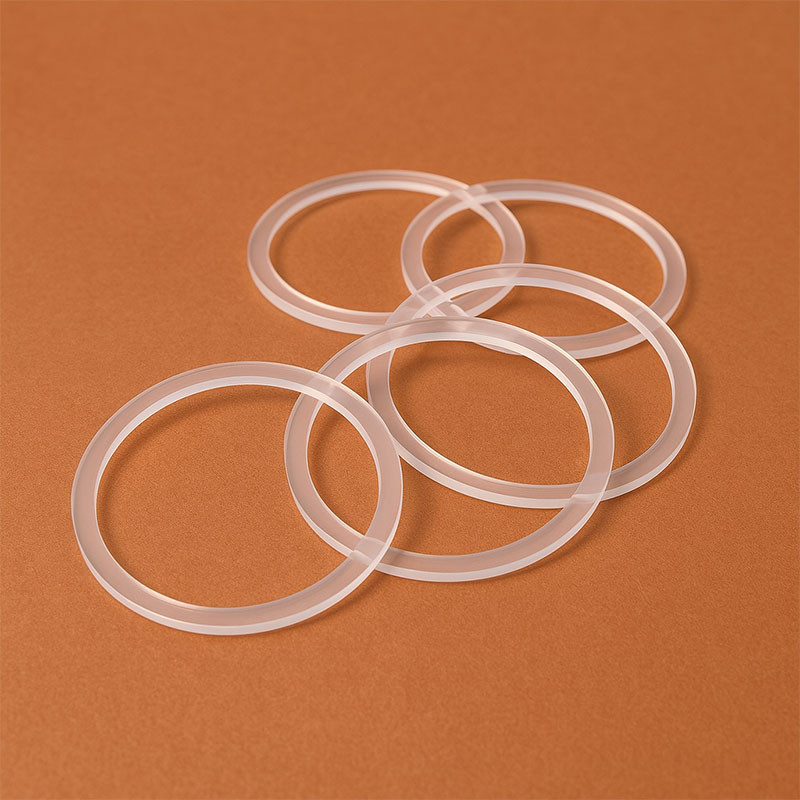
Silicone overmolding is extensively used for gaskets, seals, and insulating covers in automotive electronics, providing reliable sealing against moisture and dust.
Overmolded silicone grips, buttons, and control panels enhance user experience with soft tactile feel and visual appeal.
Electrical Components
Silicone's dielectric properties make it ideal for insulating wires, connectors, and sensor housings in automotive systems.
8. Future Trends and Innovations
Smart Overmolding: Integration of sensor technology within silicone layers for real-time diagnostics.
Eco-Friendly Materials: Development of bio-based silicones to reduce environmental impact.
Automation and Robotics: Increased use of automated mold filling and inspection systems to improve consistency and throughput.
Conclusion
Implementing best silicone overmolding practices for automotive plastic parts demands a comprehensive understanding of materials, surface preparation, mold design, and process control. By adhering to these detailed guidelines, manufacturers can produce high-performance, durable, and aesthetically superior components that meet and exceed industry standards. The strategic application of these practices ensures long-term reliability, cost efficiency, and competitive advantage in the dynamic automotive market.
Website:www.siliconeplus.net
Email:sales11@siliconeplus.net.
Phone:13420974883
Wechat:13420974883