Case Study: Transforming Plastic Parts with Silicone Overmolding
Introduction:
Introduction: The Future of Plastic Part Enhancement through Silicone Overmolding
In the competitive landscape of plastic component manufacturing, companies continually seek innovative methods to improve durability, aesthetics, and functionality. Silicone overmolding has emerged as a game-changing technology, offering superior tactile feel, enhanced environmental resistance, and improved mechanical performance. This comprehensive case study delves into the intricacies of silicone overmolding, illustrating real-world applications, technical processes, and the strategic advantages it provides in transforming standard plastic parts into high-performance, premium products.
Understanding Silicone Overmolding: A Revolutionary Manufacturing Technique
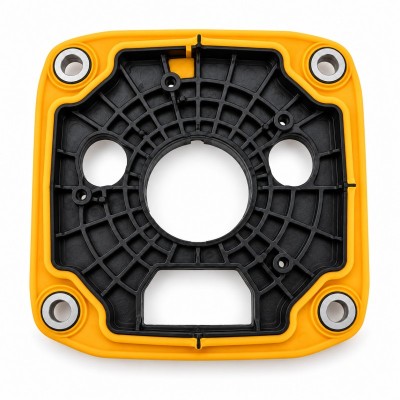
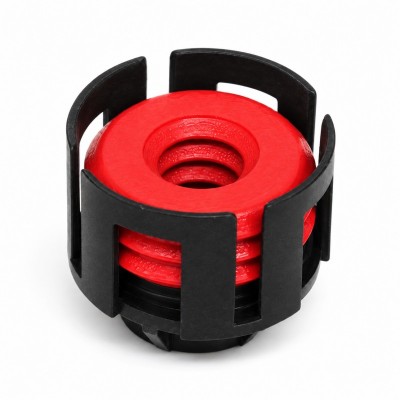
Silicone overmolding involves injecting or molding liquid silicone rubber (LSR) directly over pre-formed plastic substrates. This process creates a seamless bond between the silicone and plastic components, resulting in a unified, durable assembly. The technique combines the strengths of plastics—such as lightweight and shape versatility—with the exceptional properties of silicone, including flexibility, heat resistance, and biocompatibility.
Key benefits of silicone overmolding include:
Enhanced grip and tactile comfort
Superior environmental sealing and insulation
Increased impact and vibration resistance
Aesthetic flexibility with vibrant colors and textures
Improved chemical and temperature resistance
Technical Process of Silicone Overmolding
The overmolding process involves several precise steps:
Design and Mold Preparation:
CAD models are developed to specify the plastic part and the overmolded silicone features. Custom molds are manufactured with high precision to ensure perfect fit and bonding.
Plastic Substrate Fabrication:
The base plastic parts are produced via injection molding, optimized for adhesion and compatibility with silicone rubber.
Surface Preparation:
The plastic components undergo surface treatments such as plasma cleaning or chemical priming to promote strong adhesion with silicone.
Overmolding Process:
Liquid silicone rubber (LSR) is injected into the mold cavity containing the plastic part. The molding temperature, pressure, and curing time are meticulously controlled to ensure uniform coverage and strong bonding.
Cooling and Finishing:
The overmolded parts are cooled, ejected, and inspected for defects, bonding strength, and surface quality.
Innovative Applications of Silicone Overmolding in Various Industries
Silicone overmolding finds extensive application across multiple sectors, including medical devices, consumer electronics, automotive, and industrial tools.
Medical Devices
In the medical field, silicone overmolding provides biocompatible, sterilizable, and soft-touch surfaces. For example, syringe grips and infusion pump buttons benefit from silicone's non-slip, hypoallergenic properties, while the underlying plastic ensures structural integrity.
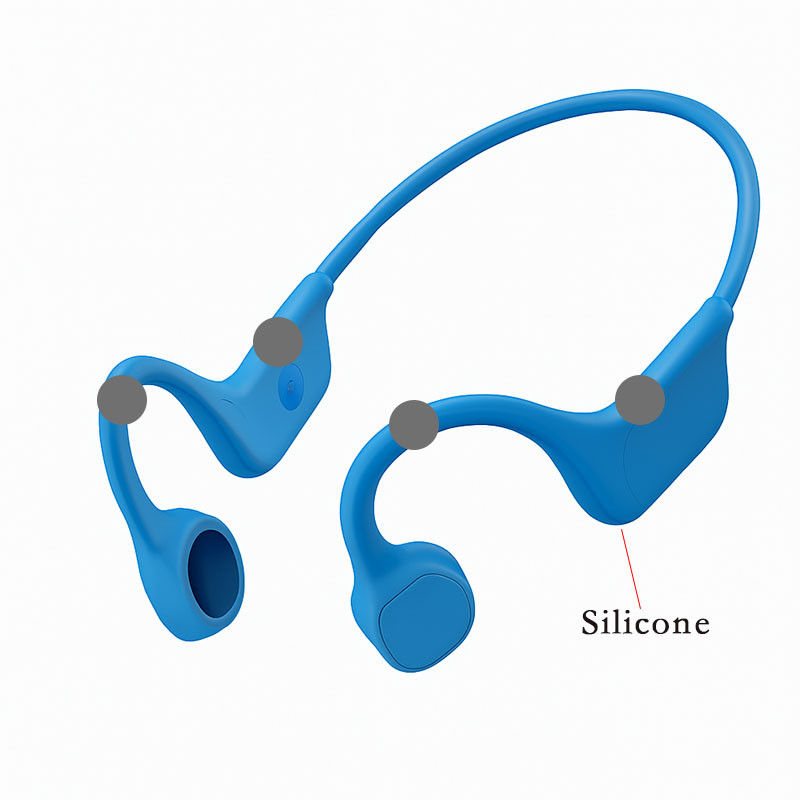
Smartphones, wearable devices, and audio equipment utilize silicone overmolds to improve grip, reduce vibrations, and enhance water resistance. The vibrant color options and custom textures allow brands to differentiate their products visually and tactually.
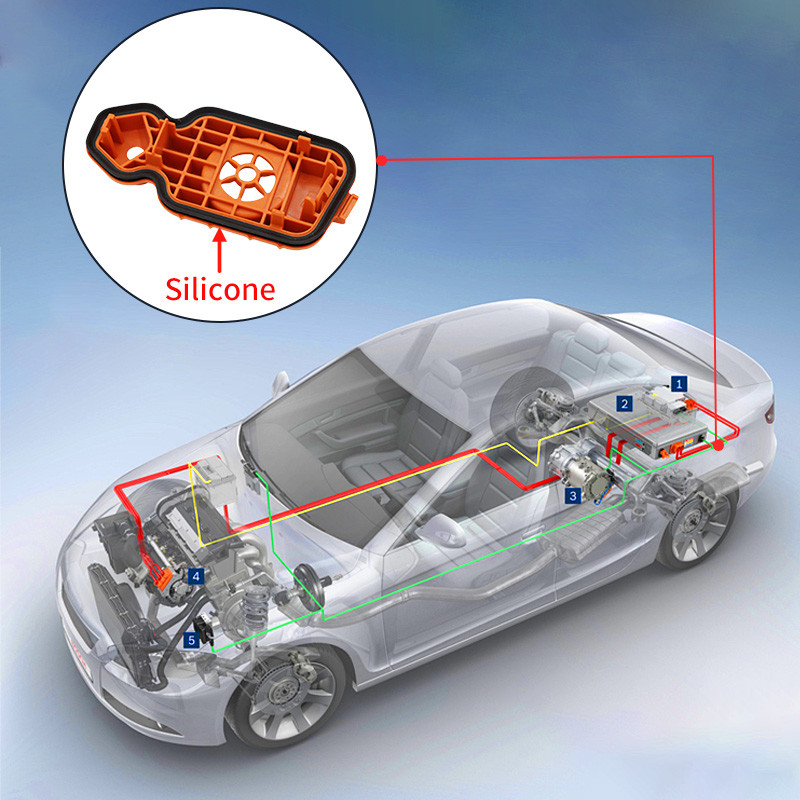
In automotive applications, silicone overmolding enhances dashboard controls, gear shift knobs, and handle grips by offering resistance to extreme temperatures, UV exposure, and chemicals. This process extends component lifespan and improves user safety.
Power tools and industrial equipment benefit from silicone overmolded handles that absorb shock, provide superior grip, and resist environmental degradation, ensuring long-term performance even in harsh conditions.
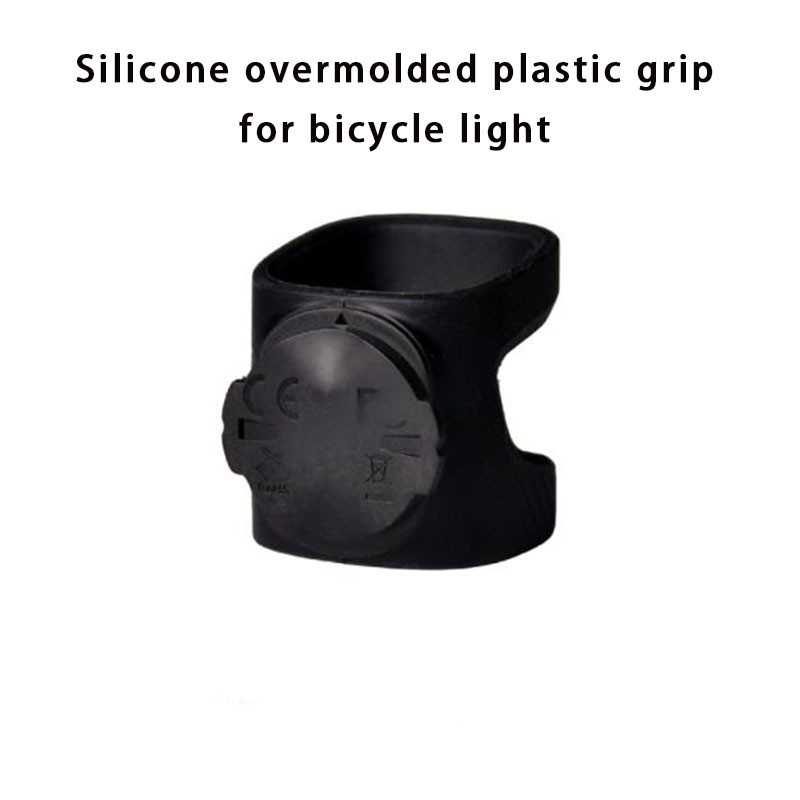
Case Study: Upgrading a Plastic Handheld Device with Silicone Overmolding
Background and Objectives
A leading manufacturer aimed to enhance the user experience and extend the durability of their handheld electronic device. The goal was to replace traditional rubber grips with silicone overmolds to achieve better tactile feedback, environmental sealing, and aesthetic appeal.
Design and Material Selection
The device's plastic body was made from ABS with a smooth surface finish, chosen for its ease of injection molding and compatibility with silicone bonding. The silicone rubber selected was high-temperature, medical-grade LSR with excellent flexibility, biocompatibility, and color vibrancy.
Manufacturing and Overmolding Process
The plastic parts underwent plasma surface treatment to maximize adhesion. The silicone was injected into precision molds at temperatures around 150°C, with curing times optimized for complete vulcanization. The process resulted in a firm, seamless bond between the silicone and plastic, with consistent wall thickness and no signs of delamination.
Results and Benefits
Enhanced grip: Users reported a softer, more ergonomic feel, reducing hand fatigue.
Environmental resistance: The overmolded parts resisted sweat, oils, and cleaning agents, maintaining appearance and performance.
Aesthetic improvements: The vibrant silicone colors provided a premium look, customizable to branding needs.
Durability: The impact resistance was significantly improved, with the silicone acting as a shock absorber.
Customer Feedback and Market Impact
Post-implementation, the client observed a 35% increase in customer satisfaction scores and a notable reduction in product returns due to damage or wear.
Material Compatibility and Bonding Considerations
Achieving strong, durable bonds between silicone and plastic substrates requires careful material selection and surface preparation:
| Material | Compatibility | Surface Treatment Recommendations | Bond Strength Tips |
| ABS | Good | Plasma, corona, or chemical priming | Use of adhesion promoters enhances bonding |
| Polycarbonate | Moderate | Plasma or flame treatment | Surface roughening can improve adhesion |
| Polypropylene | Challenging | Primer with silicone-compatible adhesion agents | Mechanical interlocking can assist bonding |
Design Guidelines for Effective Silicone Overmolding
To maximize the benefits of silicone overmolding, consider the following design strategies:
Incorporate Undercuts and Textures: These features improve mechanical bonding and aesthetic appeal.
Optimize Wall Thickness: Maintain consistent silicone wall thickness (generally 1-3 mm) to prevent defects and ensure uniform curing.
Ensure Proper Venting: Design molds with vent channels to release trapped air during injection.
Plan for Tolerance and Shrinkage: Account for material shrinkage to achieve precise fit and appearance.
Use Color and Texture Variations: Leverage silicone's coloring options and surface textures to enhance visual and tactile features.
Advantages Over Traditional Overmolding and Coatings
| Aspect | Silicone Overmolding | Traditional Rubber Coatings | Hard Coatings (e.g., Paints, Platings) |
Flexibility | Superior | Moderate | Limited |
Environmental Resistance | Excellent | Good | Varies |
| Tactile Feel | Soft, seamless | Rougher, less seamless | N/A |
| Design Flexibility | High | Limited | Limited |
| Durability | Long-lasting | Moderate | Varies |
Conclusion: Elevating Plastic Parts with Silicone Overmolding
Silicone overmolding represents a paradigm shift in plastic component manufacturing, enabling design innovation, enhanced performance, and superior aesthetic qualities. It bridges the gap between functional robustness and visual appeal, positioning manufacturers to meet the dynamic demands of modern markets.
By integrating advanced surface preparation techniques, precision molding processes, and strategic material selection, companies can transform standard plastic parts into high-value, competitive products. The long-term benefits—including extended product lifespan, improved user experience, and brand differentiation—make silicone overmolding an indispensable technology in contemporary manufacturing.
Website:www.siliconeplus.net
Email:sales11@siliconeplus.net.
Phone:13420974883
Wechat:13420974883
Explore the Future of Plastic Part Innovation
As technology advances, the scope of silicone overmolding continues to expand. Emerging trends such as smart materials integration, multicolor overmolds, and micro-texturing promise to further elevate product design and functionality. Companies investing in research and development of overmolding techniques will gain a competitive edge by delivering innovative, durable, and aesthetically superior products.