Custom LSR Molding in the Electronics Industry: What You Should Know
Introduction to Liquid Silicone Rubber (LSR) Molding in Electronics
In the rapidly evolving world of electronics, precision, durability, and reliability are paramount. The integration of custom Liquid Silicone Rubber (LSR) molding has revolutionized the manufacturing of electronic components, offering unparalleled benefits that meet the demanding standards of modern electronics. As a leading solution provider, we recognize the significance of LSR molding in creating high-performance, flexible, and resilient electronic parts that withstand extreme conditions.
What is Custom LSR Molding?
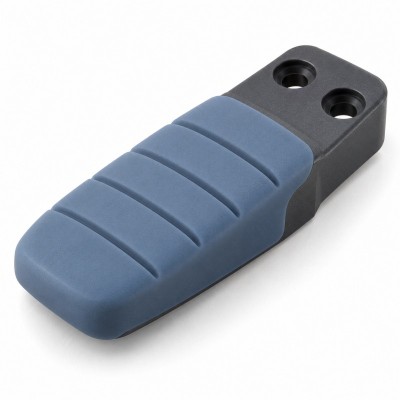
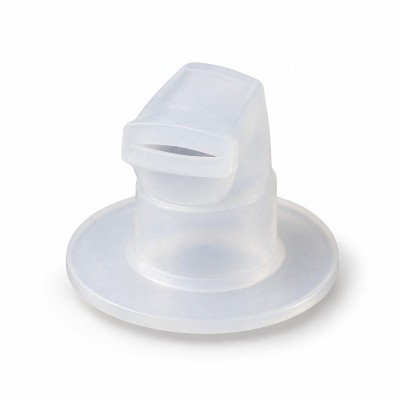
Liquid Silicone Rubber (LSR) molding is a highly specialized manufacturing process where liquid silicone material is injected into precision molds to produce complex, high-precision components. The process involves high-pressure injection molding techniques that enable the production of elastomeric parts with exceptional detail and consistency.
Custom LSR molding is tailored to meet specific design specifications, size requirements, and functional needs of electronic applications. This customization ensures optimal performance, safety, and longevity of electronic devices.
Why Choose LSR Molding for Electronics?
Liquid Silicone Rubber offers a unique combination of properties that make it ideal for electronic applications:
Electrical Insulation:
LSR exhibits excellent dielectric properties, ensuring safety and performance in sensitive electronic environments.Thermal Stability:
Capable of withstanding extreme temperatures from -55°C to +200°C without degradation, making it suitable for high-temperature electronics.Chemical Resistance:
Resistant to ozone, UV radiation, and various chemicals, which is essential for outdoor and harsh environment electronics.Flexibility and Softness:
Provides elasticity that allows for shock absorption and vibration damping, protecting delicate electronic components.Biocompatibility:
Suitable for medical electronics and wearable devices due to its non-toxic, skin-safe properties.Long-Term Durability:
Maintains flexibility and structural integrity over extended periods, reducing maintenance and replacement costs.Applications of Custom LSR Molding in the Electronics Sector
1. Connectors and Insulation Components
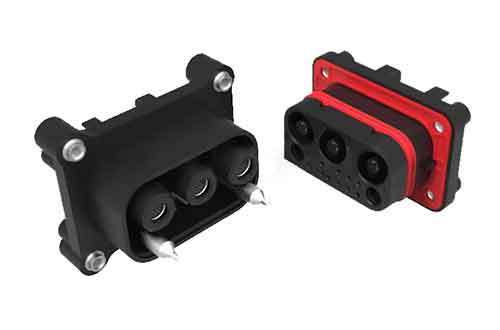
Custom LSR molds are extensively used to produce insulating gaskets, seals, and connectors that require precise electrical insulation and resistance to environmental factors. These components ensure secure connections and prevent short circuits.
2. Wearable Technology and Medical Devices
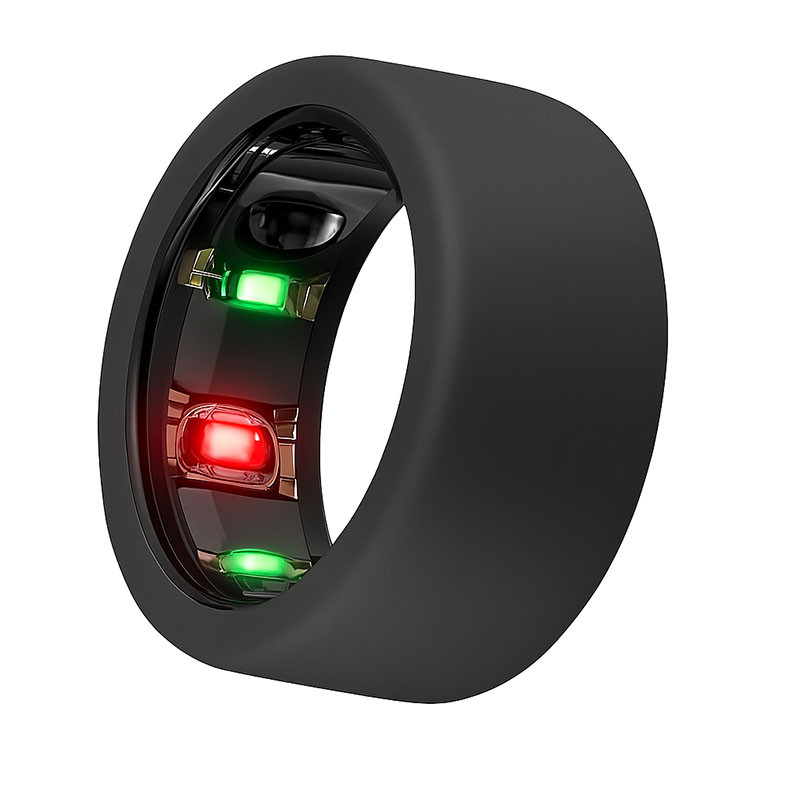
The biocompatibility and flexibility of LSR make it ideal for wearable sensors, medical tubing, and device enclosures. These parts benefit from waterproofing, chemical resistance, and comfortable contact with skin.
In automotive applications, LSR molded parts are used for sensor covers, sealing components, and electrical insulation that must endure extreme temperature fluctuations, vibration, and exposure to chemicals.
4. Consumer Electronics
From smartphones to home automation devices, LSR components provide shock absorption, waterproofing, and enhanced durability, ensuring long-lasting products.
Advantages of Custom LSR Molding for Electronic Components
| Advantages | Details |
High Precision and Repeatability | Custom molds allow for complex geometries with tight tolerances, ensuring consistent quality in high-volume production. |
Design Flexibility | LSR molding supports multi-material integration and intricate designs, enabling innovative electronic solutions. |
Enhanced Reliability | The chemical and thermal resistance of LSR ensures long-term performance even in harsh environments. |
| Cost-Effective Production | Once the mold is developed, mass production is efficient, reducing per-unit costs. |
| Rapid Prototyping Capabilities | Quick turnaround from design to prototype accelerates product development cycles. |
| Eco-Friendly Manufacturing | LSR molding processes generate minimal waste and employ sustainable materials. |
The Custom LSR Molding Process for Electronics
Step 1: Design and Mold Fabrication
Our engineers collaborate with clients to develop precise CAD models tailored to their electronic component specifications. Custom molds are crafted with high-precision CNC machining and multi-cavity configurations to facilitate high-volume production.
Step 2: Material Selection
Based on the application requirements—such as temperature range, chemical exposure, or biocompatibility—we select the most appropriate LSR formulations. Common options include standard, flame-retardant, and medical-grade silicones.
Step 3: Injection Molding
The liquid silicone is injected into the mold under high pressure, filling all intricate features. The process is conducted at controlled temperatures to ensure uniform curing and dimensional accuracy.
Step 4: Curing and Demolding
Post-injection, the parts are cured in specialized ovens, achieving full vulcanization. The molds are then opened, and finished parts are carefully demolded, inspected, and prepared for quality control.
Step 5: Quality Assurance and Testing
Each batch undergoes rigorous testing—including dimensional verification, electrical insulation tests, and environmental stress assessments—to ensure compliance with industry standards.
Key Considerations for Successful LSR Molding in Electronics
Design Optimization
Draft angles are incorporated to facilitate easy demolding.
Thin-wall designs are optimized for material flow and curing times.
Inclusion of venting features prevents air entrapment.
Material Compatibility
Choosing the right silicone formulation is critical to match electrical, thermal, and mechanical properties required by the application.
Mold Maintenance
Regular mold cleaning and calibration are essential to maintain dimensional accuracy and surface quality, especially in high-volume production.
Regulatory Compliance
Adherence to industry-specific standards such as UL, RoHS, REACH, and ISO ensures product safety and market acceptance.
Future Trends in Custom LSR Molding for Electronics
Integration of Smart Materials: Incorporating conductive or piezoelectric properties into LSR for sensor and actuator applications.
Miniaturization and Precision: Advances in micro-molding techniques enable smaller, more complex electronic components.
Sustainable Manufacturing: Emphasis on eco-friendly silicones and energy-efficient processes aligns with global sustainability goals.
Automation and Industry 4.0: Implementing robotic handling, AI-driven inspection, and real-time monitoring to enhance product quality and throughput.
Conclusion: Elevating Electronic Components with Custom LSR Molding
Custom Liquid Silicone Rubber (LSR) molding stands out as an indispensable technology in the electronics industry, offering superior properties, design flexibility, and long-term reliability. Whether for consumer devices, medical equipment, automotive systems, or aerospace applications, LSR molding provides tailored solutions that meet the most stringent performance demands.
By leveraging advanced design techniques, precise manufacturing processes, and strict quality control, we empower our clients to develop innovative, durable, and high-performance electronic products that excel in today’s competitive market landscape.
Partner with us to harness the full potential of custom LSR molding and drive your electronic innovations forward.
Website:www.siliconeplus.net
Email:sales11@siliconeplus.net.
Phone:13420974883
Wechat:13420974883