Design for Manufacturability: Metal with Silicone Overmolding Best Practices
Introduction: Unlocking the Potential of Metal with Silicone Overmolding
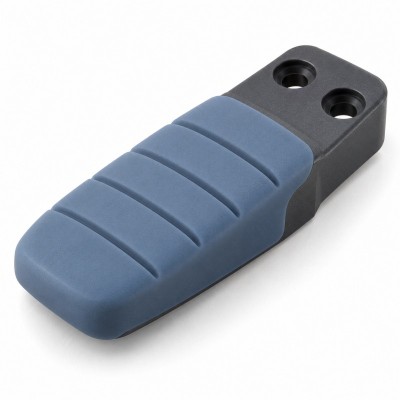
In the rapidly evolving landscape of advanced manufacturing, metal with silicone overmolding has emerged as a transformative technique that combines the strength of metal with the flexibility and sealing capabilities of silicone. This hybrid approach offers unparalleled advantages in creating durable, high-performance components for industries ranging from automotive and medical devices to consumer electronics and industrial applications.
At the core of successful implementation lies the principle of **Design for Manufacturability (DfM)**—a strategic methodology that emphasizes designing products that are not only functional but also optimized for efficient, cost-effective, and high-quality production. This article provides an exhaustive overview of best practices in designing for manufacturability when integrating metal and silicone overmolding, ensuring that your products meet the highest standards of performance, reliability, and scalability.
Understanding Metal and Silicone Overmolding: A Synergistic Approach
Metal with silicone overmolding involves the process of casting or bonding a silicone elastomer directly onto a metal substrate. This technique is particularly advantageous for applications requiring mechanical strength, thermal management, corrosion resistance, and sealing integrity.
Key Benefits of Metal with Silicone Overmolding
Enhanced Durability: Metal provides structural support, while silicone offers flexibility, impact absorption, and environmental sealing.
Improved Ergonomics:
Silicone's tactile properties improve grip and user comfort.Superior Environmental Resistance:
Silicone's resistance to moisture, UV, and chemicals enhances product longevity.Complex Geometries:
Overmolding allows for intricate designs that standard manufacturing methods cannot achieve alone.Cost Efficiency:
Reduces assembly complexity and minimizes the need for additional sealing components.Critical Design Considerations for Metal with Silicone Overmolding
1. Material Compatibility and Selection
Material compatibility is paramount to ensure strong adhesion and long-term stability. Metals such as aluminum, stainless steel, and brass are commonly used as substrates due to their favorable thermal and mechanical properties.
Silicone elastomers should be selected based on:
Temperature resistance: High-temperature silicones (e.g., platinum-cured) for demanding environments.
Chemical resistance: For applications exposed to aggressive chemicals.
Mechanical properties: Shore hardness, elongation, and tear strength tailored to application needs.
Best Practices:
Conduct compatibility testing between chosen metals and silicones.
Use adhesion promoters or primers optimized for metal surfaces to enhance bonding.
Select silicone formulations with proven adhesion to metals, such as addition-cure ( platinum-cure) silicones.
2. Surface Preparation and Treatment
Achieving a reliable bond between metal and silicone hinges on meticulous surface preparation.
Recommended Surface Treatments:
Mechanical roughening (e.g., sandblasting or abrasion) to increase surface area.
Chemical primers containing silanes or adhesion promoters to facilitate bonding.
Anodizing or coating to create a compatible surface layer that enhances adhesion.
Cleaning protocols to remove oils, oxides, and contaminants, typically using isopropyl alcohol or ultrasonic cleaning.
Proper surface treatment reduces the risk of delamination, improves seal integrity, and extends product lifespan.
3. Design for Overmolding: Geometrical and Structural Strategies
Designing for metal with silicone overmolding requires attention to geometry, tolerances, and feature placement.
Key Design Principles:
Draft angles:
Incorporate slight angles (typically 1-3 degrees) to facilitate mold release and prevent damage during demolding.Undercuts management:
Avoid or minimize undercuts that complicate mold design and increase manufacturing costs.Feature spacing:
Maintain adequate distances between silicone and metal features to prevent unintended bonding or voids.Wall thickness control:
Ensure uniform silicone wall thickness (generally 1.5-3 mm) to prevent curing issues and ensure flexibility.Radii and fillets:
Use generous radii (at least 0.5 mm) on internal corners to reduce stress concentrations and facilitate flow.Visual Example:
| Geometry Aspect | Best Practice | Purpose |
| Draft Angles | 1-3° | Ease of mold removal |
| Wall Thickness | 1.5-3 mm | Consistent curing, flexibility |
| Fillets | ≥0.5 mm | Stress reduction, flow improvement |
4. Mold Design and Manufacturing
Precision mold design is fundamental for achieving high-quality overmolds.
Considerations:
Multi-part molds: For complex geometries, utilize multi-part molds with strategic gating and venting.
Material selection: Use durable, heat-resistant mold materials such as steel or aluminum with appropriate coatings.
Venting: Incorporate vents to release trapped gases and prevent voids.
Ejection mechanisms: Design for smooth ejection without damaging silicone or metal parts.
Mold maintenance: Regular inspection and maintenance to prevent wear-related defects.
Manufacturing Processes for Metal with Silicone Overmolding
1. Metal Substrate Fabrication
CNC Machining: Offers high precision and surface finish, suitable for complex geometries.
Casting: Suitable for large volumes and complex shapes with less machining.
Stamping or forming: For thin metal components requiring high throughput.
2. Surface Treatment Application
Apply chosen surface treatments prior to overmolding, ensuring proper drying and curing times.
3. Silicone Overmolding
Injection Overmolding: The silicone is injected into the mold containing the prepared metal component.
Potting: For encapsulation applications where silicone fills the entire cavity.
Vulcanization: Typically performed at controlled temperatures (around 150°C) to cure silicone fully.
4. Quality Control and Inspection
Visual Inspection: Check for surface defects, voids, or delamination.
Adhesion Testing: Use peel tests or shear tests to verify bond strength.
Dimensional Checks: Ensure adherence to tolerances with coordinate measuring machines (CMM).
Environmental Testing: Conduct thermal cycling, humidity, and chemical resistance tests.
Innovative Techniques and Future Trends
Emerging technologies are enhancing the capabilities of metal-silicone overmolding:
Smart Overmolds:
Integration of sensors within silicone for real-time monitoring.Additive Manufacturing:
3D printing of metal molds and components for rapid prototyping.Advanced Adhesion Promoters:
Development of novel surface treatments to improve bond strength further.Hybrid Materials:
Use of silicone composites with enhanced properties for specific environments.Case Study: Automotive Sensor Housing with Metal and Silicone Overmolding
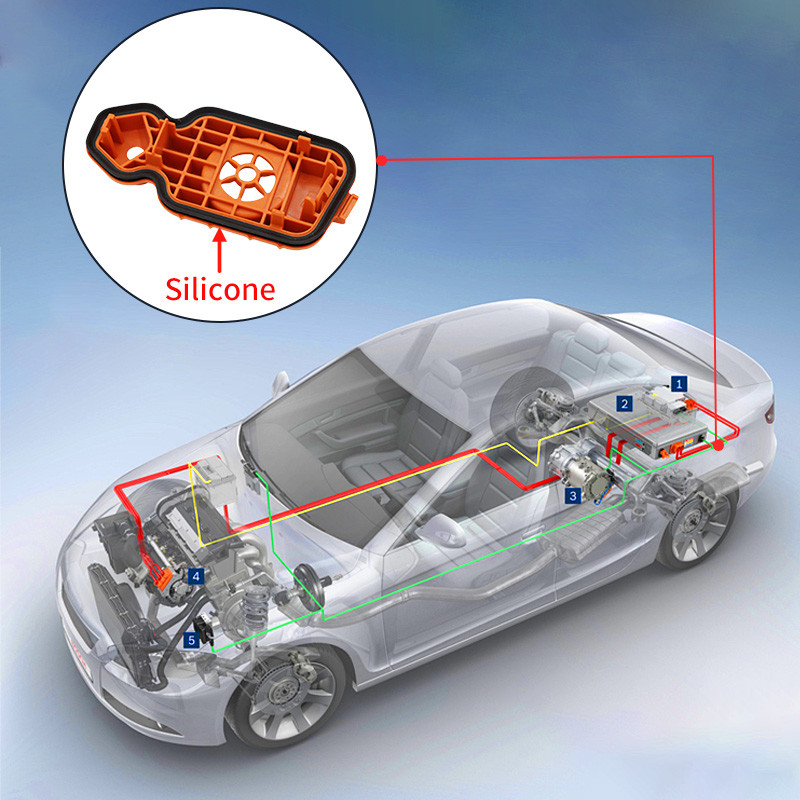
A leading automotive manufacturer designed a sensor housing that combines aluminum for structural integrity with silicone overmolding for environmental sealing and vibration damping.
Design Highlights:
Metal substrate: CNC-machined aluminum with optimized surface finish.
Overmolded silicone: Platinum-cured silicone with Shore A hardness of 30.
Features: Incorporation of integrated gaskets and strain relief features.
Manufacturing process: Sequential CNC machining, surface priming, and injection overmolding.
Results:
Enhanced durability under extreme temperature cycling (-40°C to +125°C).
Sealed environment preventing moisture ingress.
Reduced assembly time and cost savings compared to traditional sealing methods.
Conclusion: Mastering Metal with Silicone Overmolding for Optimal Manufacturing
Achieving excellence in metal with silicone overmolding hinges on meticulous design considerations, material compatibility, and advanced manufacturing techniques. By prioritizing surface preparation, geometrical precision, and mold design, manufacturers can create high-performance, reliable, and cost-effective products that meet the demanding standards of today's markets.
Implementing these best practices ensures that the integrated benefits of metal strength and silicone flexibility are fully realized, paving the way for innovative solutions across a multitude of industries. Continuous advancements in materials science and manufacturing technology promise even greater capabilities, enabling the design of next-generation components that are both robust and versatile.
Website:www.siliconeplus.net
Email:sales11@siliconeplus.net.
Phone:13420974883
Wechat:13420974883