Designing Durable Plastic Enclosures with Silicone Overmolding: The Ultimate Guide for High-Performance Protective Casings
Introduction:
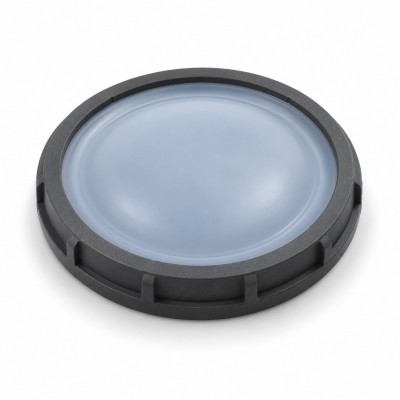
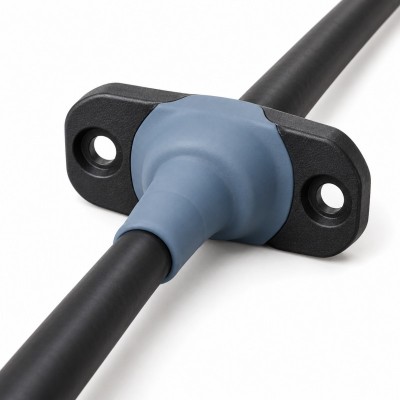
In today's competitive market, durable plastic enclosures are critical components in a multitude of industries, including automotive, aerospace, consumer electronics, medical devices, and industrial equipment. Achieving a robust, reliable, and aesthetically appealing enclosure requires a meticulous understanding of material science, design principles, and manufacturing techniques. Among these, silicone overmolding has emerged as a revolutionary process that enhances the durability, environmental resistance, and tactile quality of plastic housings.
This comprehensive guide delves into the intricacies of designing plastic enclosures with silicone overmolding, providing detailed insights to optimize your product's performance, longevity, and user experience.
Understanding the Fundamentals of Plastic Enclosure Design
Before integrating silicone overmolding, it is essential to understand the core principles of plastic enclosure design. The primary goals include:
Mechanical durability to withstand drops, impacts, and vibrations.
Environmental resistance against moisture, dust, chemicals, and temperature extremes.
Ease of manufacturing with cost-effective processes.
Aesthetic appeal that aligns with brand identity and user expectations.
Achieving these objectives necessitates selecting appropriate materials, designing for manufacturability, and ensuring compatibility with overmolding processes.
Material Selection for High-Performance Plastic Enclosures
Base Plastic Materials
The foundation of a durable enclosure lies in selecting the right thermoplastic or thermoset plastics. Common choices include:
Polycarbonate (PC): Known for high impact resistance, clarity, and thermal stability.
ABS (Acrylonitrile Butadiene Styrene): Offers good toughness, ease of fabrication, and cost-effectiveness.
Polyamide (Nylon): Provides excellent chemical resistance and mechanical strength.
Polypropylene (PP): Suitable for chemical resistance and lightweight applications.
Polyester or PBT: For electrical insulation and dimensional stability.
Silicone Material for Overmolding
The silicone elastomer used in overmolding should be high-quality, medical-grade or industrial-grade depending on application demands. Important properties include:
High flexibility and elasticity for shock absorption.
Excellent environmental resistance, including UV, ozone, and temperature variations.
Waterproofing capabilities to protect internal electronics.
Biocompatibility if used in medical or wearable devices.
Common silicone types include RTV (Room Temperature Vulcanizing) silicone, LSR (Liquid Silicone Rubber), and HTV (High-Temperature Vulcanizing) silicone.
Design Strategies for Integrating Silicone Overmolding in Plastic Enclosures
1. Optimizing the Enclosure Geometry
Designing for silicone overmolding requires specific geometric considerations:
Undercuts and textured surfaces can improve adhesion.
Ribs and bosses enhance mechanical retention.
Incorporate channels and grooves to allow venting and prevent air entrapment during overmolding.
2. Surface Preparation and Texturing
A roughened or matte surface on the plastic component can significantly improve silicone adhesion. Techniques include:
Sandblasting or chemical etching.
Designing micro-textures directly into the mold surface.
3. Material Compatibility and Adhesion Promotion
To ensure strong bonding between plastic and silicone:
Use silane coupling agents or adhesion promoters during manufacturing.
Select plastics with natural affinity for silicones, such as PC or ABS.
Consider intermediate layers or primers for challenging materials.
4. Overmolding Process Parameters
Critical parameters include:
Mold temperature: Optimal range ensures good flow and adhesion.
Injection speed and pressure: Prevents air entrapment and deformation.
Curing time: Ensures complete vulcanization without warping.
Advantages of Silicone Overmolding in Plastic Enclosures
Enhanced Durability and Impact Resistance
Silicone's elasticity absorbs shocks and vibrations, protecting sensitive components. When overmolded onto a rigid plastic shell, it creates a composite structure capable of withstanding rough handling.
Superior Environmental Sealing
Silicone's waterproof and dustproof properties provide sealing capabilities that surpass traditional coatings or gaskets, making enclosures suitable for harsh outdoor environments.
Improved Tactile and Aesthetic Qualities
The soft, rubber-like finish of silicone offers superior grip, anti-slip properties, and a premium look and feel, enhancing user interaction.
Chemical and UV Resistance
Silicone's resistance to chemicals, UV light, and ozone extends the operational lifespan of the enclosure, reducing maintenance and replacement costs.
Customizable Color and Texture
Silicone overmolding allows for color customization, branding, and textured surfaces that improve aesthetic appeal and product differentiation.
Case Studies: Successful Applications of Silicone Overmolded Plastic Enclosures
Medical Devices
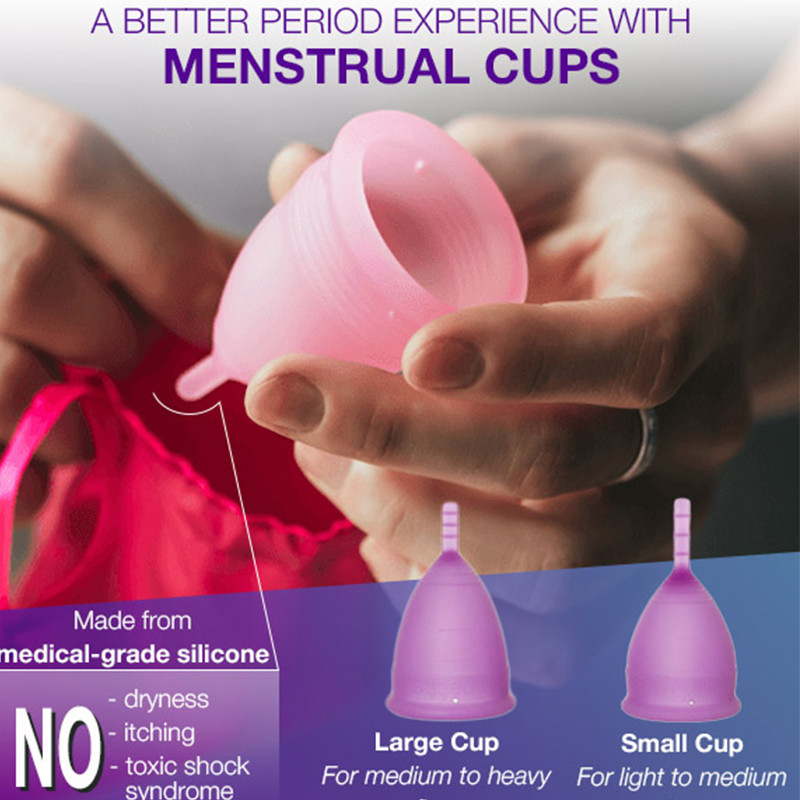
In medical equipment, silicone overmolding provides impervious, biocompatible surfaces, ensuring patient safety and device longevity.
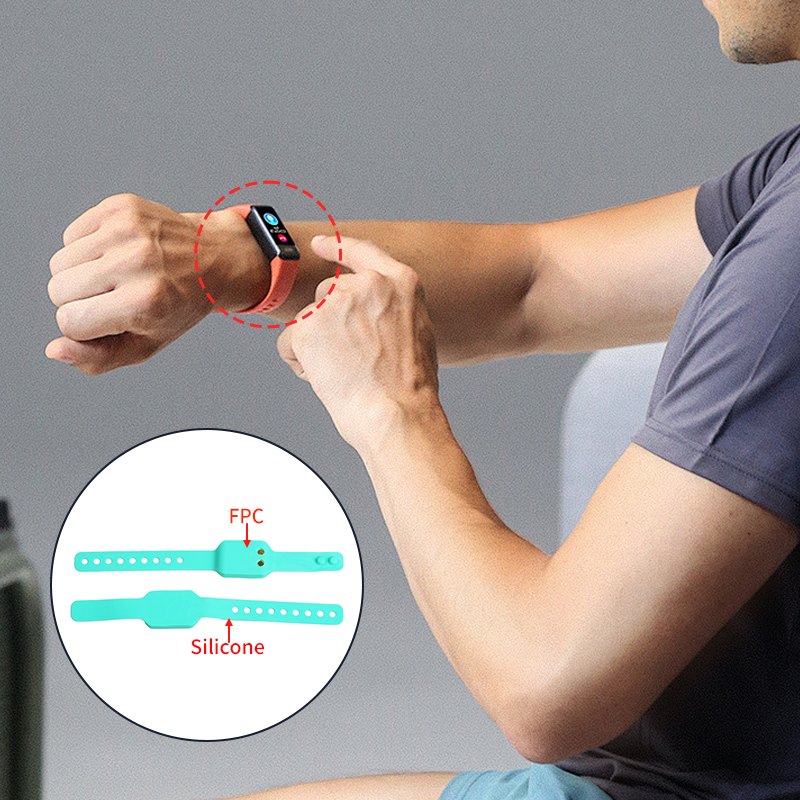
Smartphones and wearables benefit from shock-absorbing silicone coatings that safeguard delicate internal components during accidental drops.
Industrial Automation
Sensors and controllers housed in silicone-overmolded enclosures demonstrate enhanced resistance to chemical spills, dust, and temperature fluctuations.
Manufacturing Process: From Design to Production
Step 1: Prototype Development
Use CAD models to simulate overmolding adhesion and fit.
Create mock-ups using 3D printing for initial testing.
Step 2: Mold Fabrication
Design multi-material molds with precise cavity geometries.
Incorporate venting channels to facilitate air escape.
Step 3: Injection Molding of Base Plastic
Produce rigid plastic shells with surface treatments if necessary.
Conduct quality inspections to ensure dimensional accuracy.
Step 4: Silicone Overmolding
Utilize precise temperature and pressure controls.
Apply adhesion promoters as needed.
Cure silicone in controlled environments to prevent defects.
Step 5: Final Assembly and Testing
Perform mechanical testing (drop, impact, vibration).
Conduct environmental testing (water ingress, temperature cycling).
Verify adhesion strength and seal integrity.
Challenges and Solutions in Silicone Overmolding
| Challenge | Solution |
Poor adhesion between plastic and silicone | Use adhesion promoters and optimize surface texturing |
| Warping or deformation during curing | Control mold temperature and cooling rates |
| Air entrapment causing surface defects | Design venting channels and optimize injection parameters |
| Material incompatibility | Select compatible plastics and silicone formulations |
Future Trends in Plastic Enclosure Design with Silicone Overmolding
Smart materials integrating conductive silicones for sensor integration.
Eco-friendly silicones and recyclable plastics to enhance sustainability.
Advanced surface treatments for self-healing or antimicrobial properties.
Automation and robotics in manufacturing to improve precision and throughput.
Conclusion: Elevating Enclosure Durability and Performance
Designing durable plastic enclosures with silicone overmolding is a strategic approach that combines material science, innovative design, and advanced manufacturing techniques. By meticulously selecting compatible materials, optimizing geometric features, and controlling processing conditions, manufacturers can produce highly resilient, environmentally sealed, and aesthetically appealing enclosures suited for the most demanding applications.
This process not only extends the lifespan of electronic and mechanical devices but also enhances user experience through improved tactile feel and visual appeal. Embracing silicone overmolding as a core component of enclosure design positions products for success in competitive markets and future-proofing against evolving environmental and technological challenges.
Website:www.siliconeplus.net
Email:sales11@siliconeplus.net.
Phone:13420974883
Wechat:13420974883