Designing Durable Plastic Enclosures with Silicone Overmolding
Introduction:
In the realm of industrial equipment, consumer electronics, and medical devices, the demand for highly durable, resilient enclosures is ever-increasing. The integration of silicone overmolding with plastic enclosures has emerged as a groundbreaking approach to enhance impact resistance, waterproofing, thermal management, and user comfort. This comprehensive guide delves into the intricacies of designing robust plastic enclosures with silicone overmolding, outlining best practices, material considerations, manufacturing techniques, and innovative applications that set the stage for industry-leading product development.
Understanding the Advantages of Silicone Overmolding on Plastic Enclosures
Silicone overmolding offers a multitude of benefits that elevate the functionality and durability of plastic enclosures. By applying a silicone layer over the primary plastic structure, manufacturers achieve superior shock absorption, enhanced grip, and environmental resistance.
Enhanced Impact Resistance and Shock Absorption
One of the primary advantages of silicone overmolding is its ability to absorb mechanical shocks and vibrations. This feature is critical in applications where devices are subjected to drops or rough handling, such as field instruments, portable medical devices, and outdoor electronics. The elasticity of silicone acts as a cushion, protecting sensitive internal components.
Superior Water and Dust Resistance
Silicone's inherent hydrophobic properties contribute significantly to waterproofing and dustproofing of enclosures. When used as an overmold, silicone creates a seamless, airtight seal that prevents ingress of moisture and particulates, thereby increasing device longevity in harsh environments.
Thermal Management and Insulation
Silicone's excellent thermal stability allows it to dissipate heat efficiently and serve as an insulating layer, safeguarding internal electronics from temperature fluctuations. This feature is especially valuable in high-power devices or outdoor equipment exposed to extreme weather conditions.
Improved Ergonomics and Aesthetic Appeal
Beyond protection, silicone overmolds provide improved grip and user comfort. Their soft, tactile surface enhances handling, reduces user fatigue, and contributes to a premium product feel.
Material Selection for Plastic Enclosures and Silicone Overmolding
Achieving optimal performance requires careful selection of both plastic substrates and silicone compounds.
Plastic Materials for Enclosures
Polycarbonate (PC):
Renowned for its impact resistance, clarity, and dimensional stability, polycarbonate is a preferred choice for high-durability enclosures. Its excellent toughness makes it suitable for military-grade and industrial applications.
ABS (Acrylonitrile Butadiene Styrene):
A cost-effective, versatile plastic with good impact resistance and ease of fabrication. Suitable for consumer electronics and less demanding environments.
Polyamide (Nylon):
Offers superior chemical resistance and mechanical strength, ideal for harsh environments. When reinforced with fibers, nylon provides additional durability.
Polypropylene (PP):
Lightweight and resistant to chemical degradation, polypropylene is popular in food-grade and outdoor enclosures.
Silicone Compounds for Overmolding
Addition-Cure (Room-Temperature Vulcanizing - RTV) Silicone:
Provides excellent clarity, biocompatibility, and flexibility. Suitable for medical devices and consumer products.
Partially Condensation-Cure Silicone:
Offers higher tear strength and long-term stability, making it ideal for heavy-duty applications.
High-Temperature Silicone:
Designed to withstand extreme heat, essential for industrial and automotive enclosures.
Design Strategies for Integrating Silicone Overmolds
Creating a durable, functional enclosure with silicone overmolding demands a meticulous design approach. The following strategies ensure seamless integration and maximum performance.
Design for Overmolding Compatibility
Surface Preparation:
Ensure the plastic surface has appropriate roughness to promote mechanical adhesion. Incorporate textured surfaces or specialized release agents to optimize bonding.
Avoid Sharp Corners:
Design rounded edges to distribute stress evenly and prevent tear initiation in the silicone layer.
Incorporate Undercuts and Features:
Use undercuts or integrated features to mechanically lock the silicone in place, reducing reliance solely on adhesion.
Layer Thickness Optimization
Maintain a uniform silicone layer thickness (typically between 1-3 mm) to balance flexibility and durability.
Thicker layers improve shock absorption but may affect aesthetics and cost.
Venting and Drainage Considerations
Design venting channels to prevent air entrapment during molding, ensuring full coverage and consistent layer thickness.
Include drainage features for applications exposed to liquid environments.
Manufacturing Processes: Precision in Overmolding
The success of silicone overmolding hinges on advanced manufacturing techniques that ensure accuracy, repeatability, and quality control.
Injection Overmolding
Process:
Plastic components are first fabricated via injection molding, followed by silicone overmolding using specialized injection equipment.
Advantages:
High precision, repeatability, and the ability to produce complex geometries.
Compression Molding
Process:
Pre-formed silicone is placed over the plastic part, then compressed under heat to form a bonded layer.
Advantages:
Suitable for large-volume production with cost efficiency.
Insert Molding
Process:
Plastic parts are placed into molds, and silicone is injected around or over them in a single process.
Advantages:
Creates integrated components with strong mechanical bonds.
Innovative Applications of Silicone Overmolding in Durable Enclosures
The versatility of silicone overmolding extends across numerous industries, revolutionizing product durability and user experience.
| Industry | Application | Benefits |
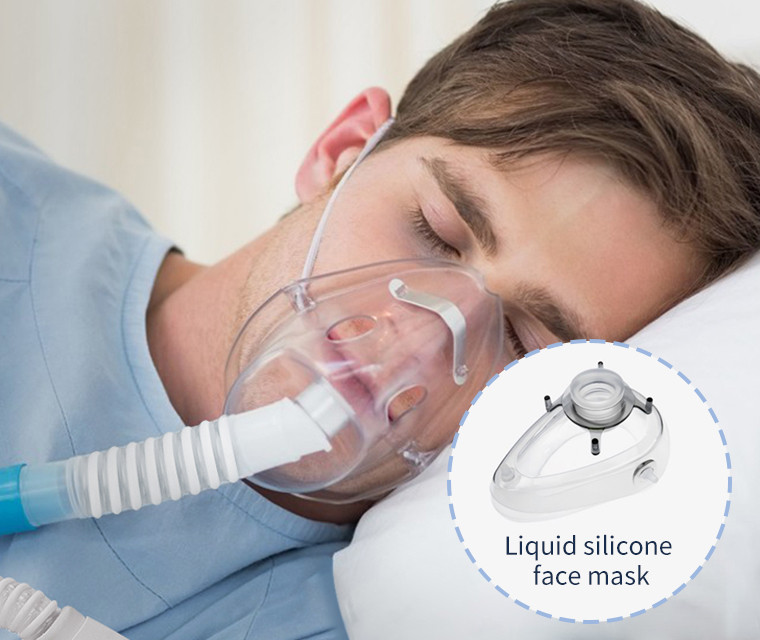
Medical Devices | Portable diagnostic equipment | Waterproof, impact-resistant, easy to grip |
Consumer Electronics | Smartphones, rugged handhelds | Enhanced shock absorption, tactile feel |
| Industrial Automation | Robotics, control panels | Dustproof, thermal insulation |
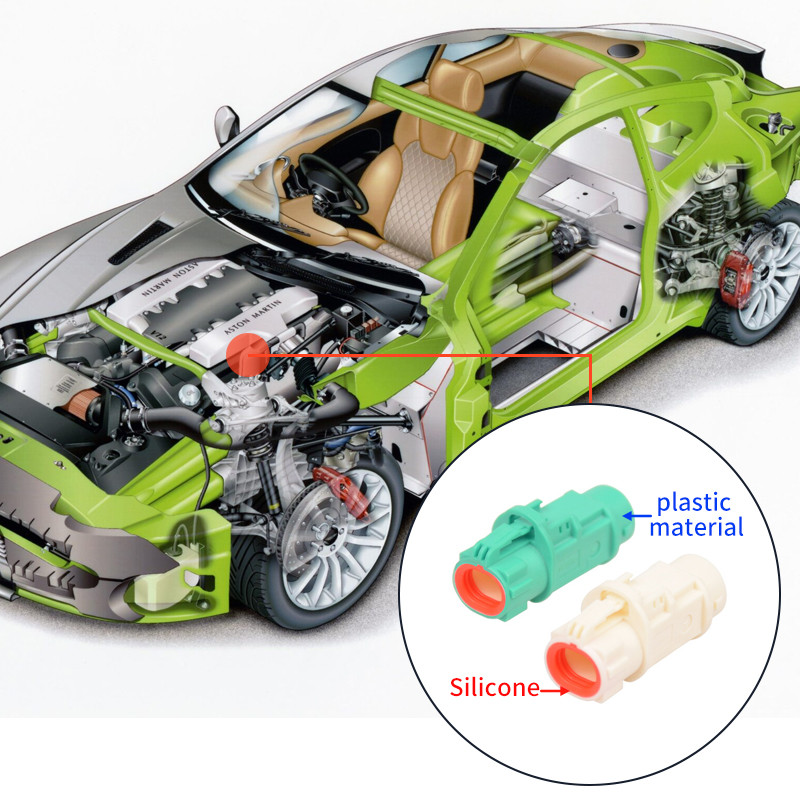
| Automotive | Sensor housings, control units | Heat resistance, vibration damping |
| Outdoor Equipment | Lighting, communication devices | Weatherproofing, UV resistance |
Case Study: Developing a Rugged Handheld Device Enclosure
To illustrate the power of silicone overmolding, consider the development of a rugged handheld device designed for field technicians. The primary enclosure is crafted from polycarbonate for impact resistance, with silicone overmolds applied to edges and grip zones.
Design Features:
Rounded edges with integrated silicone grips for enhanced handling.
Venting channels to facilitate full coverage during overmolding.
Mechanical locking features to secure silicone layers.
Manufacturing Process:
Injection molding of the polycarbonate shell.
Precision silicone overmolding via injection process to ensure uniform layer thickness.
Quality inspection for bond integrity and layer uniformity.
Results:
Drop tests confirmed impact resistance increased by 50%.
Water ingress was effectively prevented, extending device lifespan in wet environments.
User feedback highlighted improved grip comfort and reduced fatigue.
Conclusion: Elevating Enclosure Durability with Silicone Overmolding
The integration of silicone overmolding with plastic enclosures is transforming the landscape of durable product design. By leveraging advanced materials, innovative design practices, and precision manufacturing techniques, engineers can produce impact-resistant, waterproof, and ergonomically optimized enclosures that meet and exceed industry standards.
Manufacturers seeking to differentiate their products must embrace silicone overmolding as a core component of their design strategy. The result is a robust, resilient, and user-friendly enclosure that not only protects internal components but also enhances brand reputation through superior quality and performance.
Website:www.siliconeplus.net
Email:sales11@siliconeplus.net.
Phone:13420974883
Wechat:13420974883