How Silicone Overmolding Enhances Electrical Insulation in Plastic Parts
Introduction: The Critical Role of Electrical Insulation in Modern Electronics
In the rapidly evolving landscape of electronic device manufacturing, the demand for robust electrical insulation has never been more vital. As electronic components become increasingly miniaturized and complex, ensuring effective insulation not only guarantees device safety but also enhances performance, durability, and longevity. Among the most advanced solutions available today is silicone overmolding, a transformative process that significantly elevates the electrical insulation properties of plastic parts.
Understanding Silicone Overmolding: A Game-Changer in Electrical Safety
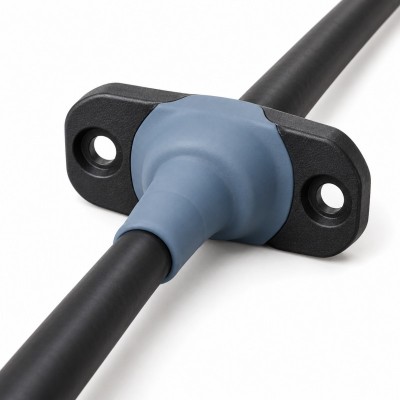
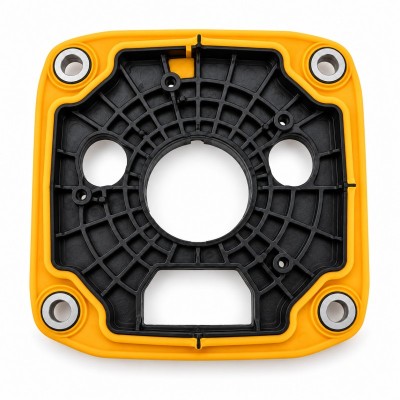
Silicone overmolding involves the application of a silicone elastomer layer over existing plastic components. This process creates a composite structure that combines the mechanical strength and chemical resistance of plastics with the excellent dielectric properties of silicone. The result is a highly insulated, durable, and flexible component capable of withstanding harsh environmental conditions.
The Science Behind Silicone's Superior Dielectric Properties
Silicone materials possess exceptionally high dielectric strength, often exceeding 300 volts per mil (or 12 kV/mm), making them ideal for electric insulation applications. Their low dielectric constant (typically around 2.8) minimizes electrical parasitic effects, ensuring stable performance even under high voltage stresses. Moreover, silicone exhibits excellent dielectric stability across a wide temperature range, from -60°C to +250°C, maintaining insulation integrity in extreme environments.
Key Benefits of Silicone Overmolding for Electrical Insulation
1. Superior Dielectric Performance
Silicone’s high dielectric strength provides a robust barrier against electrical leakage, arcing, and shorts. This is especially critical in high-voltage applications such as power supplies, automotive electronics, and medical devices, where failure of insulation can lead to catastrophic consequences.
2. Enhanced Moisture and Chemical Resistance
Silicone coatings are impervious to moisture, oils, and chemicals, preventing corrosion and degradation of the underlying plastic parts. This waterproofing capability ensures consistent electrical insulation even in humid, wet, or chemically aggressive environments.
3. Improved Mechanical Durability and Flexibility
Unlike brittle coatings, silicone overmolding provides flexibility that accommodates thermal expansion, mechanical shocks, and vibrations. This elasticity reduces the risk of cracks or delamination, thereby maintaining long-term insulation integrity.
4. Temperature Resilience
Silicone's ability to operate reliably across extreme temperature ranges ensures insulation performance in automotive, aerospace, and industrial settings where temperature fluctuations are common.
5. Electrical Noise Suppression
Silicone’s dielectric properties help suppress electromagnetic interference (EMI) and radio-frequency interference (RFI), contributing to cleaner signal transmission within electronic systems.
The Overmolding Process: From Concept to Finished Product
Step 1: Preparation of Plastic Components
The process begins with precise design and manufacturing of the plastic parts, which are often 3D modeled to ensure optimal overmolding coverage. Surface cleaning and priming may be necessary to promote adhesion.
Step 2: Silicone Material Selection
Choosing the appropriate silicone elastomer is crucial. Factors such as hardness (durometer), thermal stability, dielectric strength, and chemical resistance are considered based on the application requirements.
Step 3: Overmolding Technique
Using state-of-the-art injection molding equipment, liquid silicone rubber (LSR) is injected into molds surrounding the plastic component. The process involves:
Heating and injecting the silicone into the mold cavity
Curing at controlled temperatures to solidify the silicone
Ejecting the finished overmolded part
This method ensures uniform coating thickness and strong adhesion between silicone and plastic.
Step 4: Post-Processing and Quality Control
Post-molding inspections verify dimensional accuracy, adhesion strength, and electrical insulation properties. Non-destructive testing methods, such as dielectric breakdown testing, confirm insulation integrity.
Case Study: Silicone Overmolding in Automotive Sensors
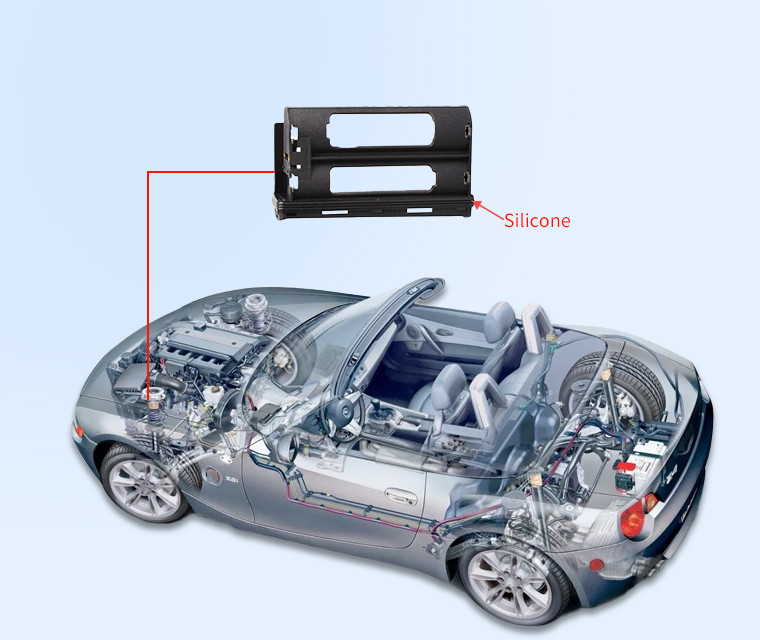
In automotive applications, sensors are exposed to vibration, moisture, and temperature fluctuations. Silicone overmolding provides robust electrical insulation while maintaining flexibility for dynamic environments. For example, engine temperature sensors with silicone overmolded housings exhibit improved lifespan and reliable electrical performance, contributing to vehicle safety and efficiency.
Choosing the Right Silicone Overmolding Solution
When selecting a silicone overmolding process, consider:
Application-specific dielectric requirements
Environmental exposure factors
Mechanical stress levels
Compatibility with existing plastics
Regulatory and safety standards
Partnering with a specialized manufacturer ensures the utilization of advanced materials and precision engineering to meet all technical specifications.
Future Trends in Silicone Overmolding for Electrical Insulation
Emerging innovations include nanocomposite silicone materials that offer enhanced dielectric properties and self-healing capabilities. Additionally, multi-material overmolding techniques enable the integration of conductive and insulating layers within a single component, further optimizing electrical performance and miniaturization.
Conclusion: Unlocking New Possibilities with Silicone Overmolding
Silicone overmolding represents a quantum leap in electrical insulation technology, combining flexibility, durability, and exceptional dielectric performance. Its ability to protect plastic components against electrical failures, environmental hazards, and mechanical stresses makes it indispensable across various high-stakes industries. As electronic systems continue to evolve, silicone overmolding will remain at the forefront, enabling engineers to design safer, more reliable, and longer-lasting products.
Website:www.siliconeplus.net
Email:sales11@siliconeplus.net.
Phone:13420974883
Wechat:13420974883