How to Achieve Perfect Adhesion in Metal with Silicone Overmolding
Introduction:
Achieving perfect adhesion between metal surfaces and silicone overmolding remains one of the most critical challenges in manufacturing high-performance, durable products. Whether in automotive, electronics, medical devices, or consumer products, the integrity of the bond directly influences the product’s longevity, performance, and aesthetic appeal. This comprehensive guide delves into the science, techniques, and best practices necessary to secure reliable, long-lasting adhesion in metal-to-silicone overmolding processes.
Understanding the Fundamentals of Metal and Silicone Compatibility
Before embarking on the overmolding process, it’s essential to understand the fundamental compatibility issues between metal substrates and silicone elastomers. Metals such as aluminum, stainless steel, copper, and brass possess low surface energy, which inherently hampers adhesion. Silicone, known for its flexibility, chemical stability, and temperature resistance, exhibits poor adhesion characteristics with many metals unless proper surface preparation and adhesion-promoting techniques are employed.
Key Challenges in Metal-Silicone Overmolding
Surface Energy Disparity: Metals typically have low surface energy, leading to weak interfacial bonding.
Surface Contaminants: Oils, oxides, and dirt impair adhesion.
Oxide Layers: Metals like aluminum form oxide layers that act as a barrier.
Thermal Mismatch: Differential expansion can cause delamination.
Inadequate Surface Preparation: Insufficient cleaning or priming results in poor bonding.
Critical Steps for Achieving Superior Adhesion in Metal with Silicone Overmolding
1. Optimal Surface Cleaning and Preparation
Achieving clean, contaminant-free surfaces is the cornerstone of successful adhesion. Use industrial cleaning methods such as:
Solvent Cleaning: Use isopropanol or acetone to remove oils, grease, and residues.
Abrasive Blasting: Light sandblasting or micro-etching creates a roughened surface, increasing mechanical interlocking.
Plasma or Corona Treatment: These advanced surface activation techniques significantly increase surface energy, promoting better silicone bonding.
2. Surface Primers and Adhesion Promoters
Applying specialized primers designed for silicone and metal interfaces dramatically enhances adhesion. These primers typically contain silane coupling agents or organosilicon compounds that form chemical bonds between the metal surface and silicone.
Popular Primer Types:
Silane-based Primers: Facilitate covalent bonding.
Polyurethane Primers: Suitable for certain metals.
Custom formulations: Tailored for specific applications.
Application Tips:
Ensure uniform coverage.
Allow sufficient drying time.
Use compatible primers recommended by silicone manufacturers.
3. Surface Roughening for Mechanical Interlocking
Creating a micro-roughened surface enhances mechanical adhesion. Techniques include:
Sandblasting with fine abrasive particles.
Chemical etching to produce micro-porosity.
Laser texturing for precise surface patterns.
Table 1: Mechanical Roughening Methods and Their Characteristics
| Method | Advantages | Limitations |
| Sandblasting | Cost-effective, scalable | Potential surface damage |
| Chemical Etching | Precise micro-roughness | Requires chemical handling |
| Laser Texturing | High control, repeatability | Higher equipment cost |
Advanced Techniques for Superior Metal-Silicone Bonds
6. Use of Surface Activation Technologies
Plasma Treatment: Converts surface into a highly reactive state, enhancing chemical bonding.
Corona Discharge: Suitable for large-scale production, improves surface energy.
UV/Ozone Treatment: Cleans and activates surfaces, especially plastics or coated metals.
7. Employing Interlayers or Bonding Films
In some cases, introducing interlayers such as adhesive tapes, specialized bonding films, or metal primers can bridge the gap between metal and silicone, especially when surface treatments alone are insufficient.
8. Design Considerations for Enhanced Adhesion
Incorporate mechanical features such as ridges, knurls, or undercuts to augment mechanical interlocking.
Avoid sharp edges or surface defects that may initiate failure points.
Design for uniform stress distribution during operation.
Quality Control and Testing for Bond Durability
Ensuring long-term adhesion integrity involves rigorous testing:
** peel tests** and lap shear tests to measure bond strength.
Environmental exposure tests: humidity, temperature cycling, and chemical resistance.
Aging tests to simulate long-term performance.
Standard Testing Methods:
| Test Type | Purpose | Relevant Standards |
| ASTM D429 | Peel strength testing | ASTM D429 |
| ISO 10993-10 | Biocompatibility and adhesion testing | ISO 10993-10 |
| Temperature Cycling | Thermal stability assessment | Industry-specific standards |
Case Studies of Successful Metal-to-Silicone Overmolding
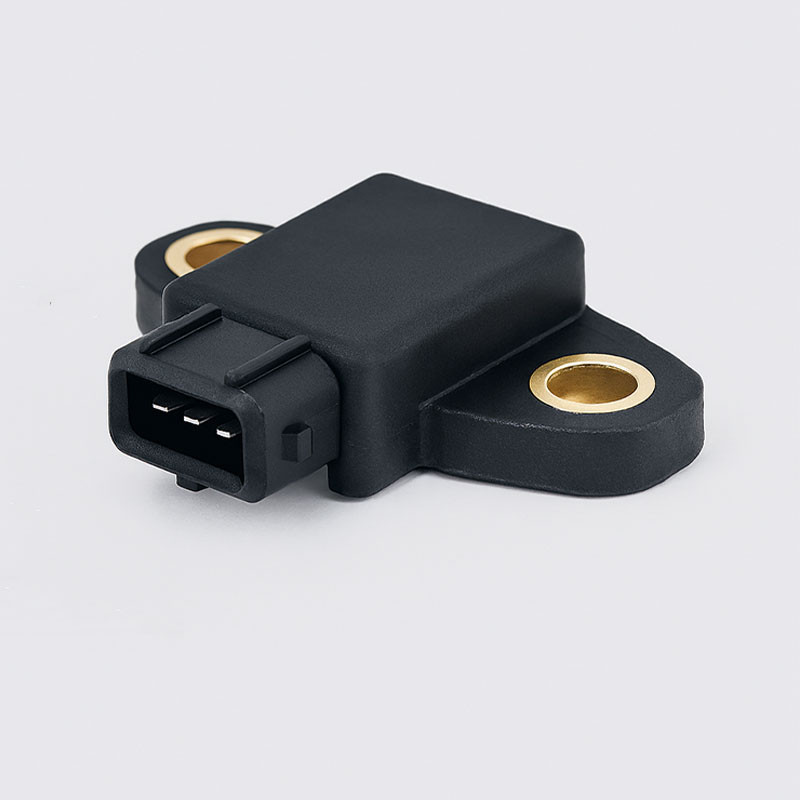
Case Study 1: Automotive Sensor Encapsulation
By employing plasma treatment combined with silane-based primers, a leading automotive manufacturer achieved bond strengths exceeding 2 MPa, withstanding temperature extremes and mechanical vibrations.
Conclusion: Mastering Metal and Silicone Bonding for Overmolding Excellence
Achieving perfect adhesion in metal with silicone overmolding demands a multifaceted approach combining surface science, material selection, process control, and innovative technologies. By meticulously preparing surfaces through cleaning, roughening, and activating, selecting appropriate primers and silicone formulations, and optimizing processing parameters, manufacturers can secure durable, high-quality bonds essential for advanced applications.
The investment in proper surface treatment, rigorous testing, and design optimization pays dividends in product performance, customer satisfaction, and brand reputation. As technology advances, embracing innovative surface activation methods and customized bonding solutions will continue to push the boundaries of what’s achievable in metal-silicone overmolding.
Website:www.siliconeplus.net
Email:sales11@siliconeplus.net.
Phone:13420974883
Wechat:13420974883