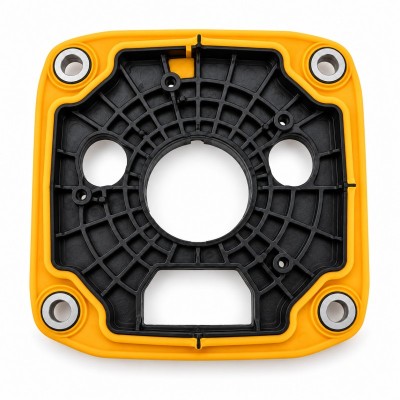
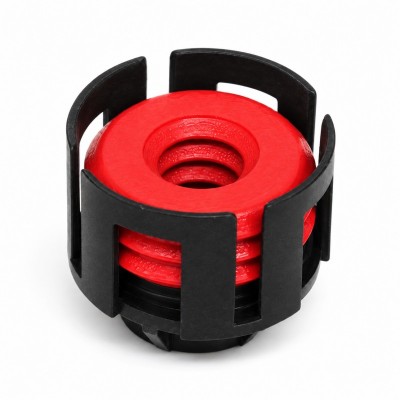
How to Choose the Right Silicone Overmolding Manufacturer for Medical, Automotive, and 3C Applications
When sourcing high-performance components for demanding industries, choosing the right silicone overmolding manufacturer is critical. Whether you are developing a wearable medical device, an automotive waterproof connector, or a 3C electronic component, the quality of the overmolding process directly affects sealing performance, durability, appearance, and long-term reliability.
Today, more product developers are looking for liquid silicone overmolding and integrated multi-material manufacturing solutions that combine silicone with plastic, metal, or FPC. The right manufacturing partner does more than produce a part. A capable supplier helps optimize design, improve waterproof performance, shorten development cycles, and reduce production risk.
Why Silicone Overmolding Matters
Silicone overmolding is a process in which silicone is molded over another substrate, such as metal, plastic, or flexible printed circuitry. This process is widely used to improve:
waterproof sealing
tactile feel
electrical insulation
shock resistance
chemical resistance
product durability
For industries such as medical, automotive, and 3C electronics, waterproof silicone sealing solutions are often not optional. They are a core requirement for product performance and customer trust.
1. Look for Real Multi-Material Manufacturing Capability
A professional silicone overmolding manufacturer should be able to support more than just standard silicone molding. For complex industrial applications, you need a supplier that understands how silicone interacts with different materials and structures.
Key capabilities to look for include:
FPC silicone overmolding
silicone + metal overmolding
silicone + plastic overmolding
silicone-to-silicone bonding
custom mold development
liquid silicone injection molding
If a manufacturer can support these processes in-house, it usually means better technical control, faster problem solving, and more reliable production consistency.
2. Evaluate Experience in Your Industry
Not every factory is suitable for every application. A supplier that is strong in consumer gift items may not be suitable for waterproof electronics or medical-grade assemblies.
When choosing an LSR overmolding manufacturer, check whether they already serve industries such as:
medical devices
automotive connectors
3C electronics
beauty and personal care devices
wearable technology
Industry experience matters because each application has different requirements for sealing level, material softness, structural precision, and regulatory expectations.
For example, silicone overmolding for medical devices often requires skin-friendly materials, soft-touch performance, and stable bonding with electronic components. In contrast, silicone overmolding for automotive connectors focuses more on waterproofing, heat resistance, durability, and dimensional stability under harsh conditions.
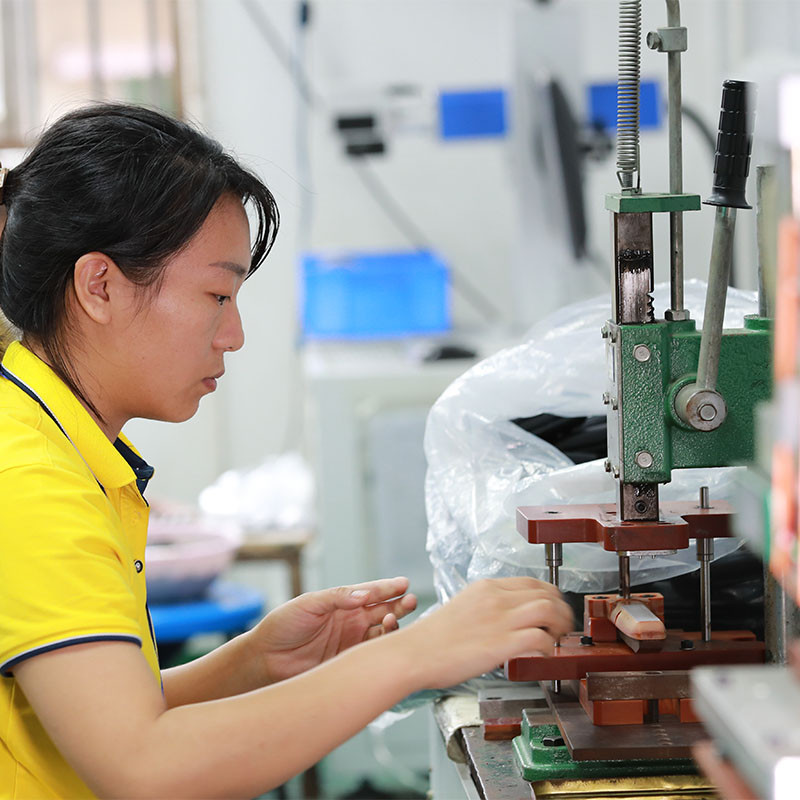
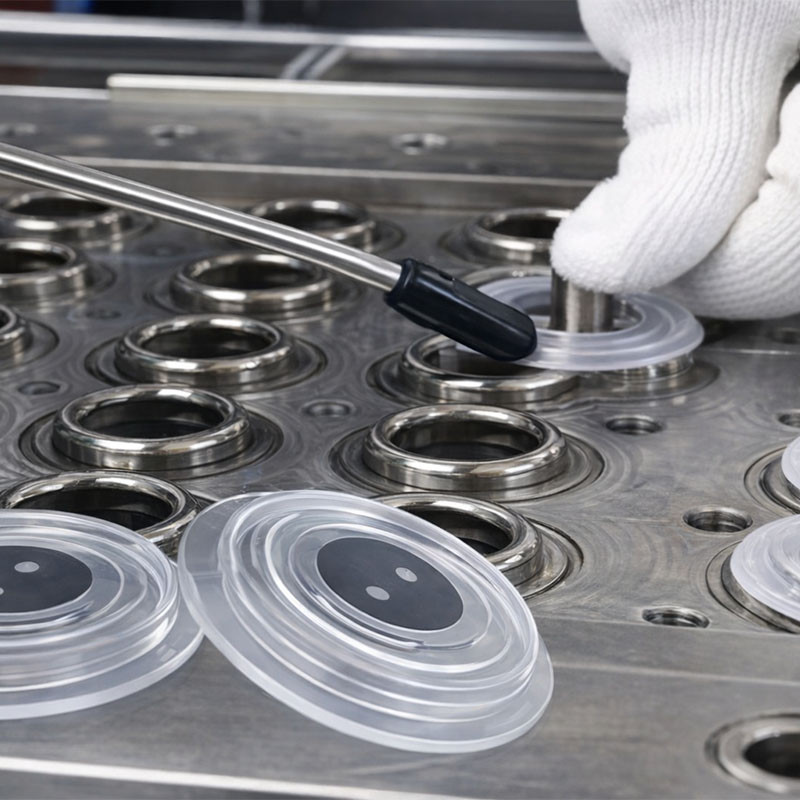
3. Check Their Waterproof and Sealing Expertise
One of the biggest reasons buyers choose liquid silicone overmolding is to improve waterproof performance. But not every manufacturer has the experience to achieve stable sealing in real-world use.
Ask these questions before starting a project:
Can you support IP-rated sealing projects?
Have you developed waterproof silicone parts for electronics or automotive use?
Can you optimize the structure for sealing reliability?
Do you test products under moisture, vibration, or temperature stress?
A strong supplier should be able to explain how they approach waterproof silicone sealing solutions from material selection, mold design, bonding performance, and production tolerance control.
4. Confirm Mold Design and DFM Support
A good custom part starts with the right engineering support. Your silicone overmolding manufacturer should not simply accept drawings. They should help improve them.
Look for a supplier that can provide:
DFM analysis
tooling evaluation
substrate compatibility suggestions
sealing structure optimization
mold revision support after sampling
This is especially important for custom silicone overmolding projects where the silicone layer must bond precisely to FPC, metal terminals, or plastic housings.
5. Understand Their LSR and Liquid Silicone Process
For many precision projects, liquid silicone overmolding offers important advantages, including cleaner molding, better dimensional consistency, and excellent sealing performance. However, it also requires stronger process control.
A reliable LSR overmolding manufacturer should clearly explain:
what type of liquid silicone is used
what hardness range is available
whether the material meets medical or environmental standards
how the bonding performance is controlled
how flash, bubbles, and delamination are prevented
If the supplier cannot explain their process clearly, it becomes much harder to control quality in mass production.
6. Review Quality Control for Precision Applications
For medical, automotive, and 3C products, appearance alone is not enough. Quality control must include function, fit, and sealing stability.
A capable silicone overmolding manufacturer should have a quality control process covering:
raw material inspection
mold trial validation
bonding consistency check
waterproof or sealing verification
dimensional inspection
final visual inspection
packaging verification before shipment
This is particularly important for silicone overmolding for medical devices and silicone overmolding for automotive connectors, where minor defects can create major field failures.
7. Prioritize Fast Sampling and Technical Communication
In custom manufacturing, communication quality often predicts project success. A strong supplier should be able to respond quickly on:
feasibility
quote timing
mold lead time
sample delivery
design changes
mass production risk points
For many buyers, the ideal silicone overmolding manufacturer is one that can support the project from concept to production, not just send a quote.
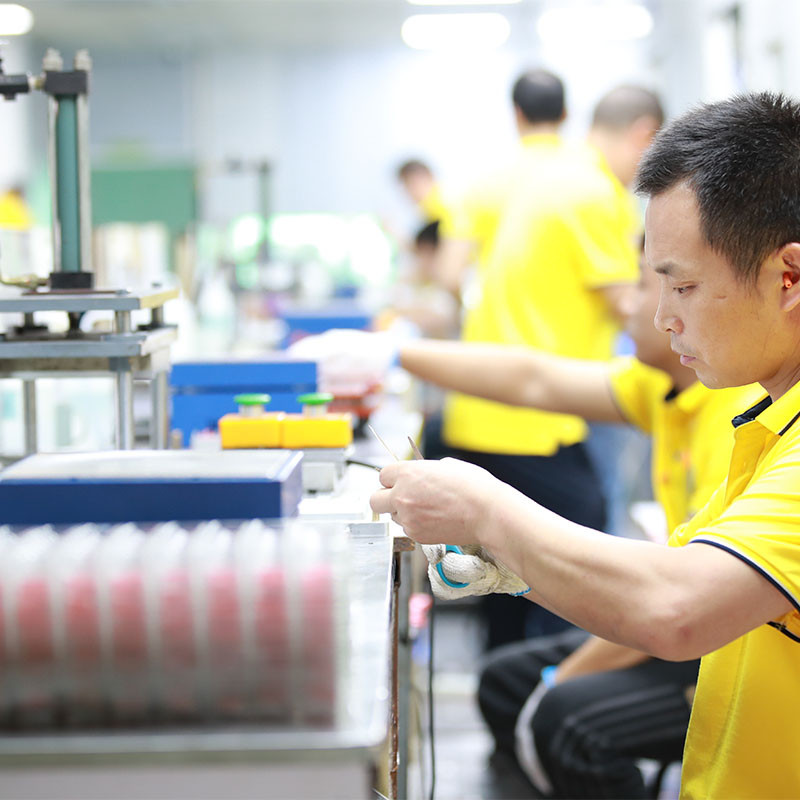
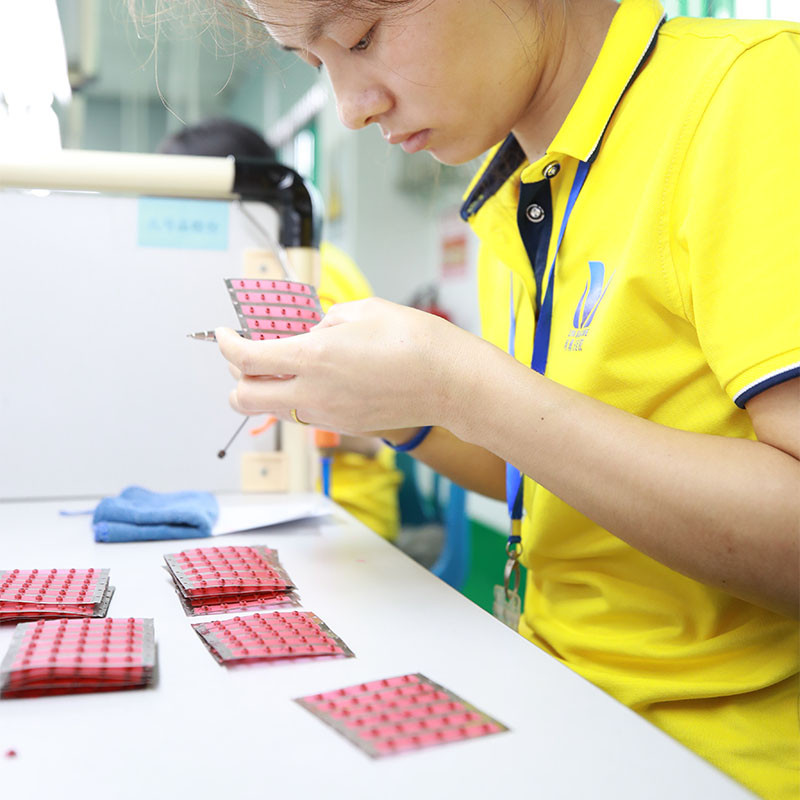
8. Choose a Manufacturer That Can Scale with You
Your first project may start with prototyping or a small trial order, but long-term success depends on stable supply and repeatable quality.
That is why it is important to choose a supplier that can support:
prototype development
low-volume trial production
mass manufacturing
engineering revisions
continuous project follow-up
A manufacturer with stable engineering, tooling, and production capability becomes a long-term development partner rather than just a short-term vendor.
Final Thoughts
Choosing the right silicone overmolding manufacturer is about much more than price. For medical, automotive, and 3C applications, you need a partner with real experience in liquid silicone overmolding, multi-material bonding, mold development, and waterproof silicone sealing solutions.
If your product involves FPC, plastic, or metal integration, the best supplier is one that understands both the material science and the application demands behind the product.
Whether you need silicone overmolding for medical devices, silicone overmolding for automotive connectors, or FPC silicone overmolding for advanced electronics, working with the right manufacturer can significantly reduce development risk and improve final product performance.