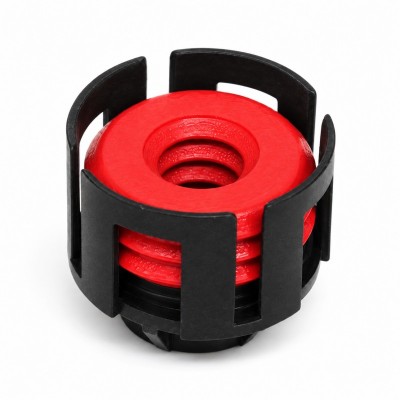
How to Reduce Waste in Silicone Overmolding Processes: An Expert Guide to Sustainable Manufacturing
Introduction:
In the rapidly evolving world of silicone overmolding, minimizing waste is not just a cost-saving measure but also a crucial step toward sustainable manufacturing. As industry leaders strive to optimize production efficiency while reducing environmental impact, understanding the intricacies of waste reduction becomes essential. This comprehensive guide explores proven strategies, innovative techniques, and best practices to dramatically lower waste generation in silicone overmolding processes, ensuring your operations are both economically and environmentally sustainable.
Understanding the Challenges of Waste in Silicone Overmolding
Silicone overmolding involves the complex process of applying silicone material onto substrates or components to create highly durable, flexible, and waterproof products. Despite its advantages, the process often results in significant waste due to factors such as material excess, defective parts, mold inefficiencies, and ineffective process controls.
Waste in silicone overmolding can account for up to 20% of raw material usage, translating into increased costs and environmental burdens. To mitigate this, manufacturers must adopt a holistic approach that addresses every stage of the process—from material selection to post-production handling.
Strategic Material Management for Waste Minimization
1. Precise Material Measurement and Dispensing
Accurate measurement of silicone material is fundamental to waste reduction. Utilizing advanced dispensing systems such as metering pumps and automated volumetric dispensers ensures consistent material flow, minimizes excess, and prevents overuse.
Implementation Tips:
Invest in automated dosing equipment with real-time feedback controls.
Regularly calibrate dispensing machinery to maintain precision.
Use multi-material mixing systems to optimize the proportion of silicone used per component.
2. Optimizing Silicone Formulations
Choosing high-performance silicone formulations that cure efficiently and adhere well reduces the likelihood of defective parts, which are a significant source of waste.
Best Practices:
Select low-viscosity silicones for better flow and less material wastage.
Use fast-curing formulations to reduce cycle times and minimize excess material cooling.
Incorporate recyclable or reusable silicone formulations where feasible.
Innovative Molding Techniques to Reduce Waste
3. Implementing Precision Mold Design
Mold design plays a pivotal role in waste reduction. Optimized mold geometries that minimize flash, sink marks, and other defects help in reducing rejected parts and rework.
Key Considerations:
Use finite element analysis (FEA) to simulate mold filling and identify potential waste points.
Design molds with venting systems to prevent air entrapment, which causes defects.
Incorporate modular mold components to facilitate quick adjustments and reduce scrap.
4. Utilizing Multi-Component and Overmolding Strategies
Multi-component overmolding allows multiple parts to be produced in a single cycle, reducing the need for secondary processes and scrap.
Advantages:
Decreases material waste due to fewer handling steps.
Improves process efficiency and reduces cycle times.
Enables recycling of excess silicone from secondary operations.
5. Adopting Additive Manufacturing for Mold Prototypes
Using 3D printing to create prototype molds accelerates development and reduces waste associated with traditional mold fabrication errors.
Benefits:
Rapid iteration of mold designs.
Reduced material waste during mold testing.
Lower costs associated with mold modifications.
Process Control and Automation for Waste Reduction 6. Real-Time Monitoring and Data Analysis
Integrate industrial IoT sensors and process control systems to monitor parameters such as temperature, pressure, and flow rate continuously.
Impact:
Detect deviations early that could lead to defective parts.
Enable predictive maintenance, reducing downtime and rework.
Collect data to optimize process parameters, decreasing material waste.
7. Automated Quality Inspection
Implement vision systems and laser measurement tools for real-time quality control, catching defects before they reach the post-production stage.
Outcome:
Reduce the number of defective parts discarded.
Minimize rework and scrap costs.
Ensure consistent product quality, reducing waste associated with rejected batches.
Post-Processing and Recycling to Minimize Waste
8. Recycling Silicone Waste
Develop closed-loop recycling systems that reclaim silicone from excess material, defective parts, and sprues.
Techniques:
Use thermal reclamation to melt and reprocess silicone waste.
Employ mechanical grinding to produce reusable silicone powders.
Invest in silicone recycling units compatible with your production scale.
9. Reusing Excess Material
Implement procedures for reusing surplus silicone in secondary applications such as gasket manufacturing, sealing strips, or other low-spec products.
Best Practices:
Establish clear protocols for segregating recyclable silicone waste.
Test the quality and performance of recycled silicone regularly.
Maintain documentation for traceability and quality assurance.
Sustainable Supply Chain and Vendor Collaboration
Work with raw material suppliers committed to sustainable practices, including low-waste formulations and eco-friendly packaging.
Benefits:
Reduces environmental footprint from the outset.
Ensures access to high-quality, waste-minimized materials.
Facilitates compliance with environmental regulations.
11. Continuous Improvement through Supplier Collaboration
Develop joint initiatives with suppliers to innovate waste-reduction techniques and process improvements.
Approach:
Share data and insights on waste patterns.
Co-develop custom formulations optimized for minimal waste.
Participate in sustainability programs and certifications.
Implementing a Waste Reduction Culture
12. Employee Training and Engagement
Educate staff on waste minimization principles and best practices. Empower operators to identify waste sources and suggest improvements.
Strategies:
Conduct regular training sessions.
Recognize and reward waste reduction initiatives.
Promote a culture of continuous improvement.
13. Monitoring and Reporting on Waste Metrics
Set clear KPIs related to waste reduction, such as material utilization rates, reject percentages, and recycling volumes.
Impact:
Maintain accountability.
Track progress over time.
Identify areas for further improvement.
Conclusion: Achieving Zero Waste in Silicone Overmolding
Reducing waste in silicone overmolding is a multi-faceted effort that encompasses material management, advanced mold design, process automation, and recycling initiatives. By adopting innovative technologies and fostering a culture of sustainability, manufacturers can significantly cut costs, improve product quality, and minimize environmental impact.
The path toward zero-waste silicone overmolding demands dedication, continuous improvement, and collaborative efforts across the entire supply chain. Implementing these strategies will position your operations at the forefront of eco-friendly manufacturing, ensuring long-term success in an increasingly conscious marketplace.
Website:www.siliconeplus.net
Email:sales11@siliconeplus.net.
Phone:13420974883
Wechat:13420974883