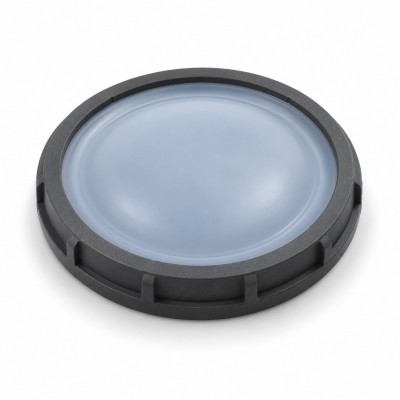
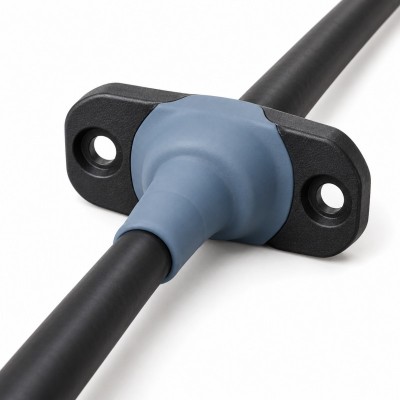
LSR Material Hardness Guide: How to Choose the Right Shore A for Silicone Overmolding
Choosing the right LSR material hardness is one of the most important decisions in a custom silicone project. Hardness affects how a silicone part feels, seals, compresses, bonds, rebounds, and performs under long-term use.
For medical devices, automotive connectors, waterproof electronics, wearable devices, and precision silicone overmolding parts, the wrong hardness can lead to poor sealing, difficult assembly, weak bonding, deformation, leakage, or reduced product life.
At SiliconePlus, we provide custom liquid silicone rubber injection molding and silicone overmolding solutions for medical, automotive, 3C electronics, wearable, and industrial applications. Our engineering team helps customers select suitable LSR materials based on product structure, sealing requirements, bonding substrates, hardness range, production process, and final application environment.
What Is LSR Material Hardness?
LSR material hardness refers to how soft or firm a liquid silicone rubber part is after curing. In most silicone product projects, hardness is measured by Shore A.
A lower Shore A value means the silicone is softer, more flexible, and easier to compress. A higher Shore A value means the silicone is firmer, more resistant to deformation, and better for structural support.
In custom LSR molding, hardness is not only about touch feeling. It directly affects sealing pressure, compression ratio, assembly force, rebound performance, bonding stability, tear resistance, wear resistance, waterproof performance, product lifespan, and user comfort.
For this reason, hardness selection should be considered during the early product design stage, not after the mold has already been made.
Common Shore A Hardness Range for LSR Parts
LSR materials are available in a wide range of hardness levels. Different applications require different balances between softness, flexibility, strength, and sealing performance.
10–20 Shore A is very soft and highly flexible. It is suitable for soft-touch parts, skin-contact parts, delicate seals, medical cushions, and products that require high comfort.
30–40 Shore A is soft but more stable. It is suitable for wearable device seals, medical device gaskets, waterproof button seals, and small precision sealing parts.
50–60 Shore A offers a good balance between flexibility and strength. It is widely used for automotive connector seals, electronics waterproof seals, silicone overmolding parts, industrial gaskets, and durable sealing components.
70–80 Shore A is firmer and more supportive. It is suitable for structural silicone parts, protective sleeves, high-pressure sealing parts, and components that require better wear resistance or stronger mechanical support.
There is no single best hardness. The right hardness depends on product structure, function, substrate material, compression design, working environment, and target performance.
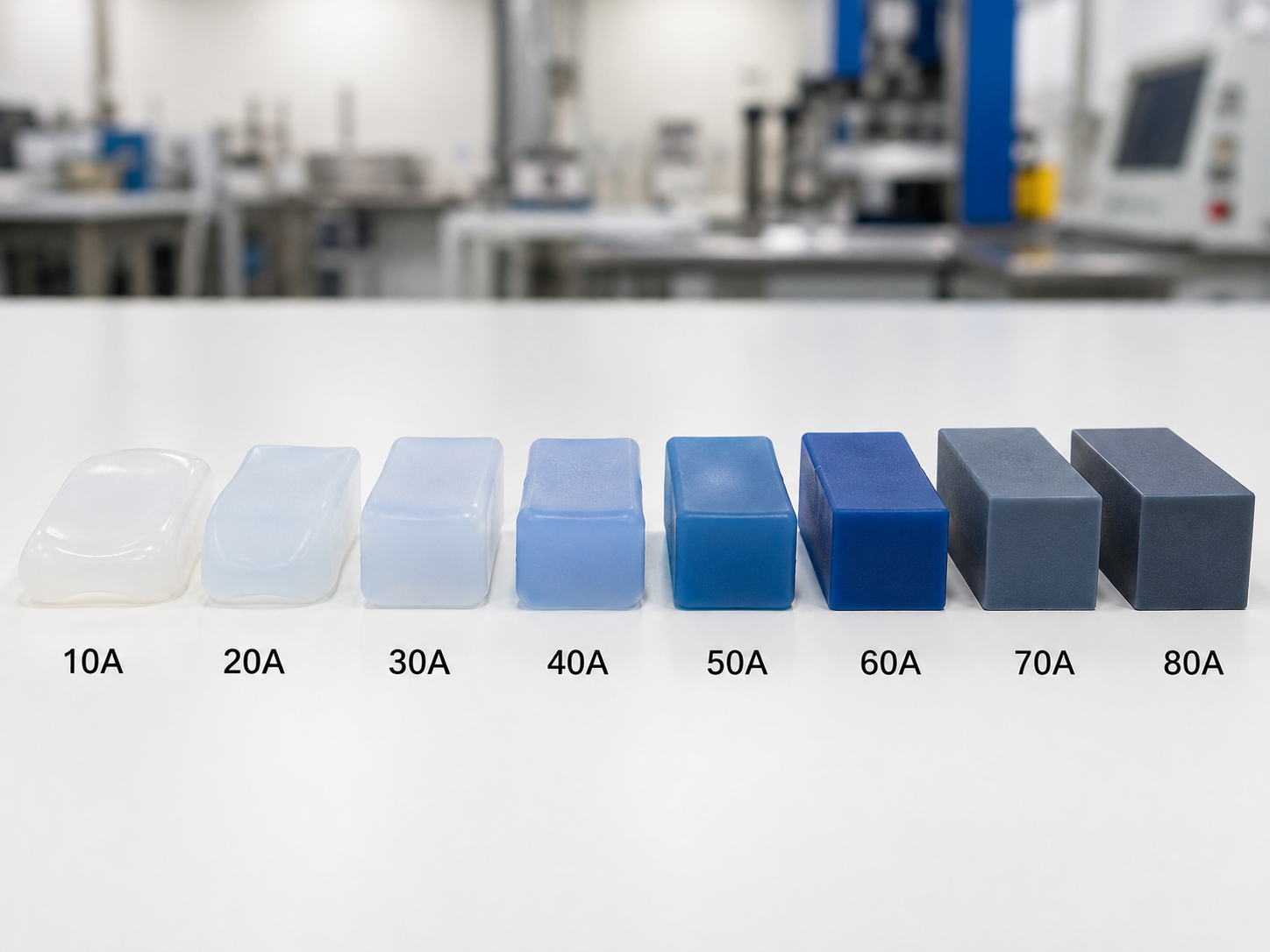
Shore A hardness range for liquid silicone rubber parts
How Hardness Affects Silicone Sealing Performance
For waterproof silicone parts, hardness selection directly affects sealing performance.
If the silicone is too soft, the part may deform too easily during assembly. It may not provide enough long-term sealing force, especially under repeated compression or high-pressure conditions.
If the silicone is too hard, the part may not compress enough to fill small gaps. This can cause poor sealing contact, water leakage, or assembly difficulty.
For IP67 or IP68 waterproof applications, the ideal hardness should provide enough compression while maintaining stable rebound. This is especially important for automotive connector seals, EV wire harness grommets, battery pack sealing parts, Type-C waterproof seals, SIM card tray seals, wearable device waterproof rings, medical electronic connector seals, and sensor housing seals.
A good waterproof silicone design requires the right combination of hardness, sealing groove design, compression ratio, parting line control, tolerance control, and mold precision.
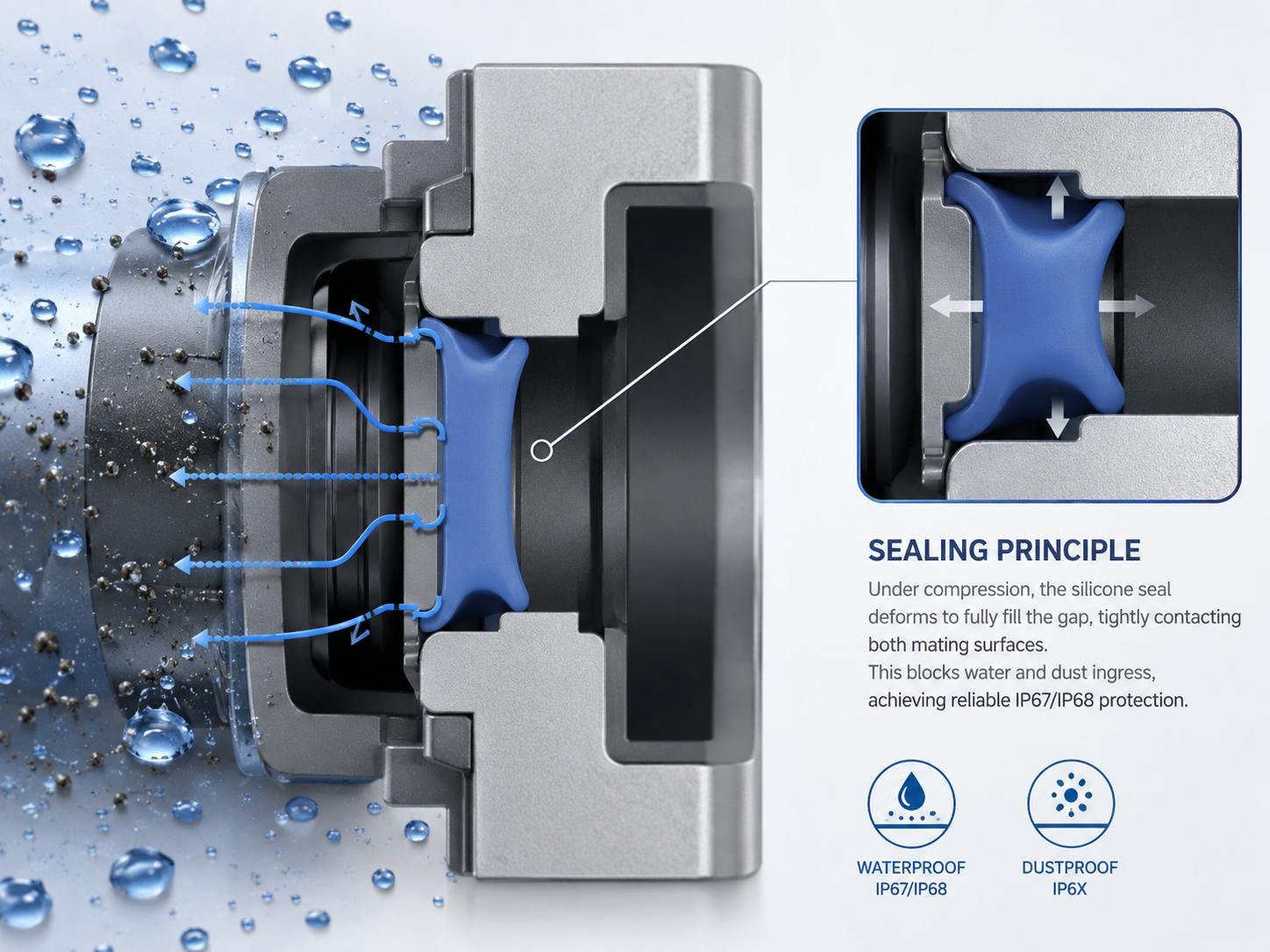
IP67 waterproof silicone seal design with proper Shore A hardness】
How Hardness Affects Silicone Overmolding
In silicone overmolding, LSR is molded directly onto plastic, metal, FPC, or another silicone substrate. The hardness of the LSR material affects both product function and bonding performance.
For soft-touch overmolding, a lower hardness may improve grip, comfort, and flexibility. This is often used in wearable devices, medical handles, beauty devices, and handheld electronic products.
For waterproof overmolding, medium hardness is often preferred because it provides a balance between compression, rebound, and dimensional stability.
For protective or structural overmolding, higher hardness may be selected to improve durability, wear resistance, and mechanical support.
The final hardness should be selected together with substrate material, bonding method, overmolding thickness, product structure, pulling or bending force, waterproof requirement, assembly method, use environment, and expected product life.
If the hardness is not selected correctly, the product may have problems such as weak sealing, poor touch feeling, difficult demolding, excessive deformation, or reduced bonding reliability.
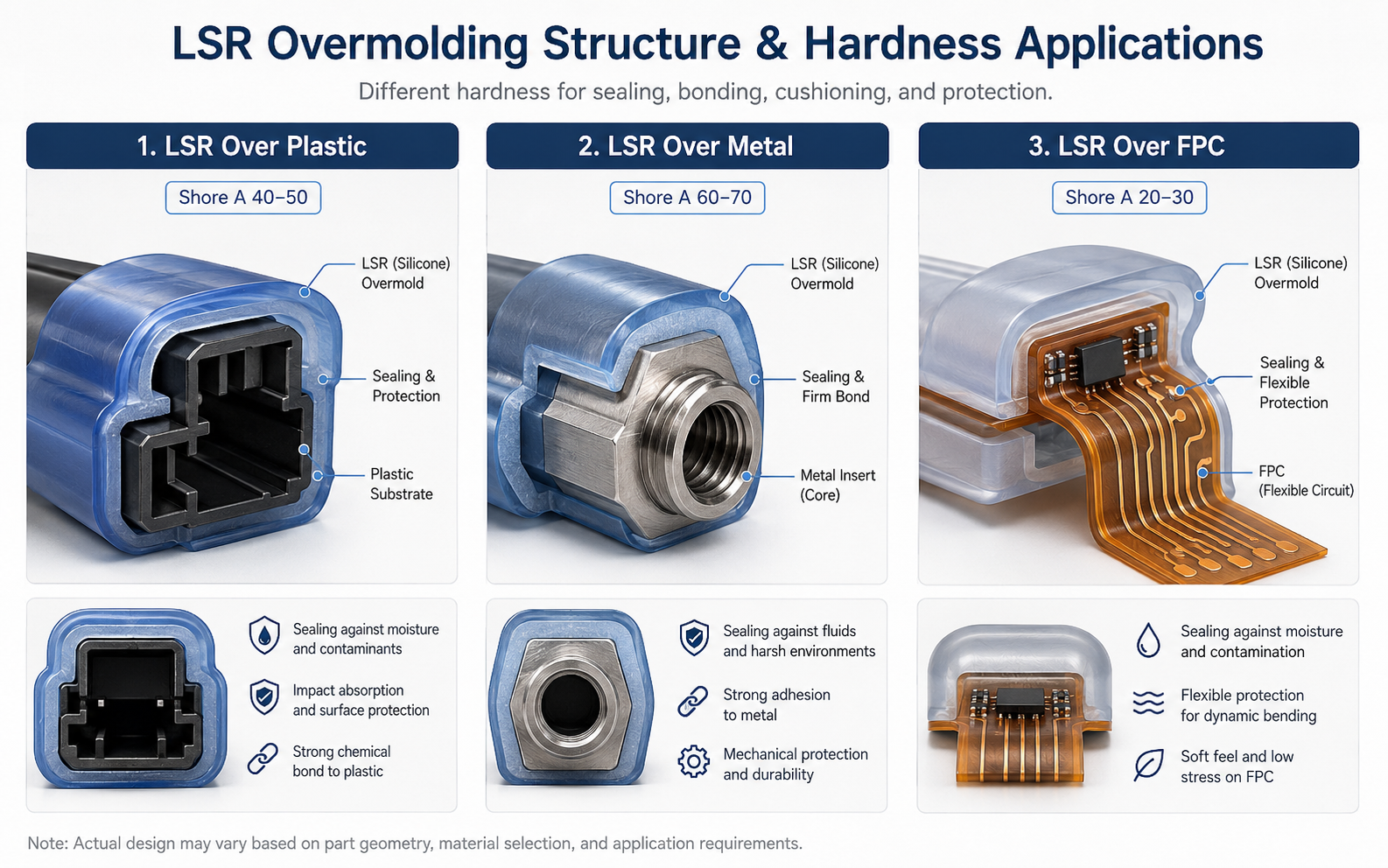
LSR hardness selection for silicone overmolding on plastic metal and FPC】
Medical and healthcare products often require soft touch, stable sealing, biocompatibility, clean molding, and long-term reliability. For these applications, LSR hardness should be selected based on contact area, sealing pressure, assembly design, and user comfort.
Soft LSR materials may be used for skin-contact parts, medical cushions, soft sealing membranes, or wearable health monitoring components. Medium hardness LSR may be used for medical device seals, medical connector seals, silicone valves, and diagnostic equipment gaskets.
For medical-grade LSR parts, hardness is only one part of the material decision. Buyers should also consider material documentation, production cleanliness, post-curing requirements, biocompatibility support, tolerance control, and batch traceability.
Typical medical and healthcare applications include medical silicone seals, medical connector gaskets, respiratory device silicone parts, diagnostic equipment seals, wearable health monitor seals, silicone valves and membranes, soft-touch medical handles, and overmolded medical electronic components.
For medical projects, the goal is not simply to choose the softest material. The goal is to choose a hardness that supports comfort, sealing, durability, and production stability at the same time.
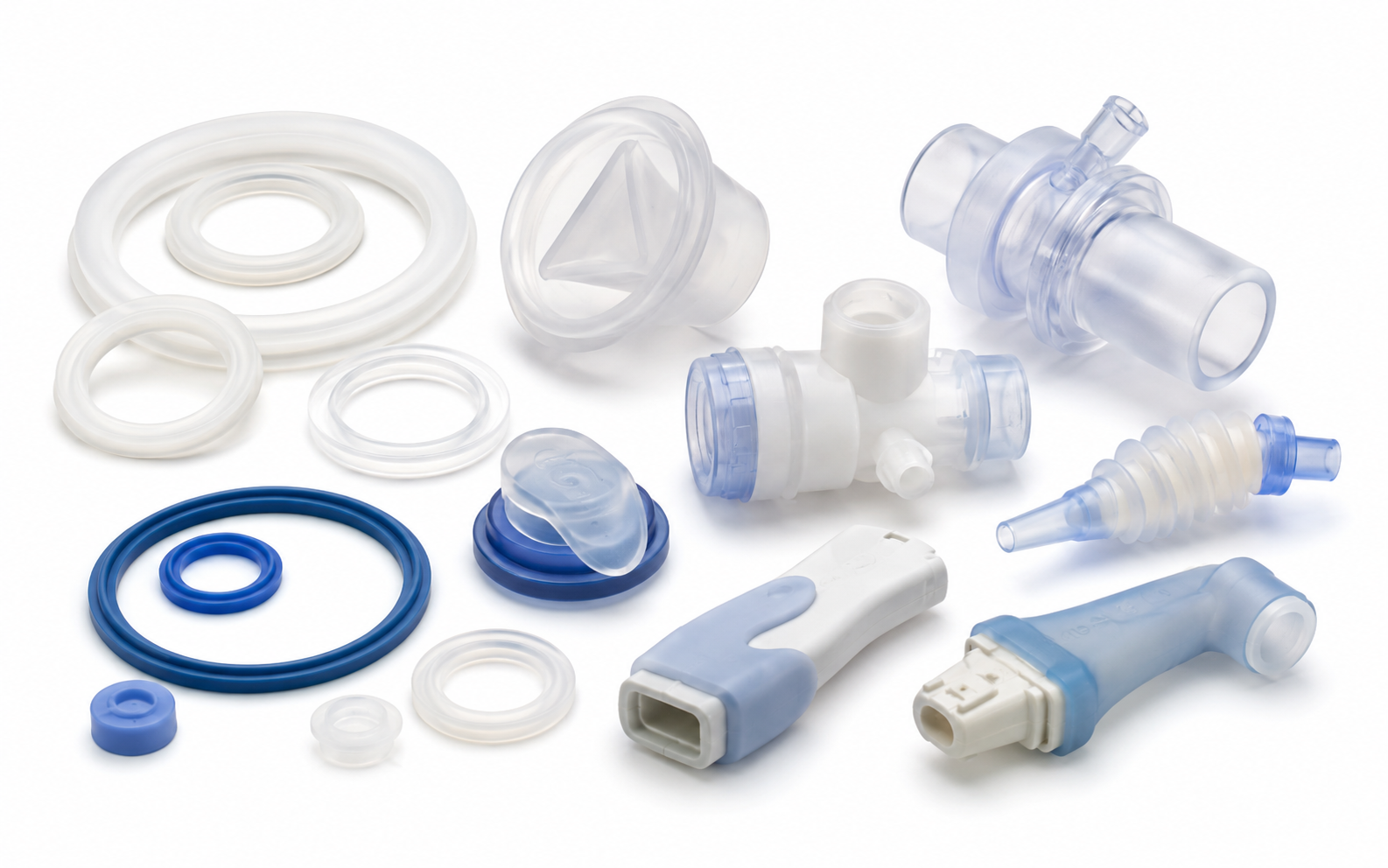
Medical grade LSR parts with suitable Shore A hardness
FAQ
What is the common hardness range for LSR materials?
Most custom LSR parts use Shore A hardness to describe material softness or firmness. Soft LSR may be used for flexible seals and skin-contact parts, while medium or harder LSR may be used for waterproof seals, automotive parts, electronics, and structural silicone components.
Is softer LSR always better for sealing?
No. Softer LSR can compress more easily, but if it is too soft, it may deform too much or lose long-term sealing stability. Good sealing depends on hardness, compression design, tolerance control, groove structure, and rebound performance.
What Shore A hardness is suitable for waterproof silicone seals?
The suitable hardness depends on the sealing structure, compression ratio, assembly method, and use environment. Many waterproof silicone seals use a medium hardness range because it provides a balance between compression, rebound, and dimensional stability.
How does LSR hardness affect silicone overmolding?
LSR hardness affects touch feeling, flexibility, bonding performance, sealing force, and durability. For overmolding on plastic, metal, or FPC, hardness should be selected together with substrate material, bonding method, overmolding thickness, and product function.
Can SiliconePlus help choose the right LSR hardness?
Yes. SiliconePlus can review your product drawings, application requirements, sealing structure, bonding substrate, and production plan to recommend a suitable LSR material hardness for custom molding or overmolding projects.