Preparing Your Plastic Manufacturing Process for Silicone Overmolding Adoption
Introdction:
In today’s competitive landscape, innovative manufacturing techniques such as silicone overmolding are transforming the way we design and produce high-performance, ergonomic, and aesthetically superior products. To successfully implement silicone overmolding into your existing plastic manufacturing process, comprehensive preparation and strategic adjustments are essential. This guide provides an in-depth roadmap, covering everything from material selection and design considerations to process optimization and quality control.
Understanding Silicone Overmolding and Its Benefits
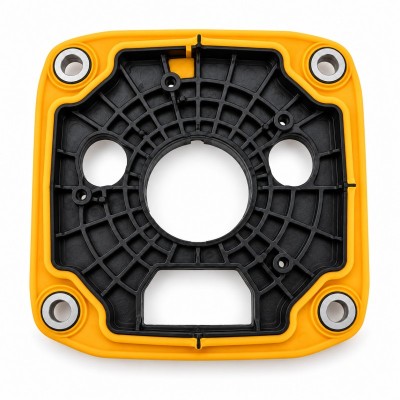
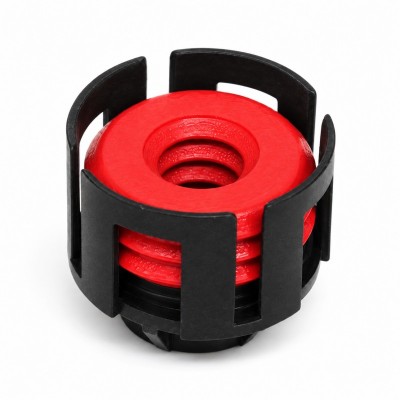
Silicone overmolding involves the process of molding a silicone elastomer onto a plastic substrate, creating a multilayered component with enhanced properties. This process offers numerous advantages, including:
Improved grip and tactile feel
Enhanced insulation and sealing capabilities
Increased durability and wear resistance
Aesthetic versatility
Reduced assembly costs
Adopting silicone overmolding can significantly elevate your product line, but it demands precise alignment of your plastic manufacturing processes with overmolding requirements.
Thorough Material Selection for Compatibility and Performance
Choosing the Right Plastic Substrate
The success of silicone overmolding hinges on selecting plastic materials compatible with silicone elastomers. Key considerations include:
Surface energy: Plastics with moderate to high surface energy facilitate better adhesion.
Thermal stability: Materials must withstand curing temperatures without deformation.
Chemical resistance: Resistance to solvents or chemicals used in the process prevents degradation.
Mechanical properties: Adequate strength and flexibility to support overmolding.
Common plastics suitable for overmolding include:
| Plastic Type | Properties | Typical Applications |
ABS | Good impact resistance, moderate surface energy | Consumer electronics, automotive parts |
| Polycarbonate (PC) | High impact strength, excellent clarity | Medical devices, optical components |
| Polypropylene (PP) | Chemical resistance, low cost | Household appliances, packaging |
| Polyamide (PA/Nylon) | High strength, wear resistance | Automotive, industrial components |
Design Optimization for Overmolding Success
Design for Manufacturability (DFM) Principles
Effective product design is critical. Key design considerations include:
Surface texture: Slightly textured surfaces improve adhesion.
Part geometry: Incorporate features such as undercuts or ribs to enhance mechanical interlock.
Wall thickness: Maintain uniform wall thickness to prevent warping or incomplete molding.
Draft angles: Incorporate appropriate draft angles (typically 1-3°) to facilitate demolding.
Creating Proper Mold Designs
Use multi-material mold tooling designed for precise temperature control.
Integrate venting channels to prevent trapped air and ensure complete silicone filling.
Design injection points for both plastic and silicone to optimize flow and bonding.
Process Preparation: Aligning Manufacturing Equipment and Conditions
Equipment Compatibility and Modifications
Mold Compatibility: Ensure molds are designed for multi-material overmolding, with appropriate gating and venting.
Temperature Control: Maintain precise temperature zones—plastic pre-heating and silicone curing temperatures must align.
Injection Systems: Upgrade or calibrate injection molding machines for dual-material processing.
Clamping Force: Verify that machines can accommodate the increased clamping force required for larger or more complex molds.
Surface Preparation and Cleaning
Pre-treatment: Use plasma or corona discharge treatments to increase surface energy and promote adhesion.
Cleaning: Remove contaminants, oils, and residues using solvents or ultrasonic cleaning to ensure optimal bonding.
Establishing Robust Process Parameters
Injection Parameters for Plastic
Temperature: Set according to the plastic's melting point and flow characteristics.
Pressure: Ensure sufficient injection pressure to fill complex geometries without defects.
Speed: Optimize to prevent weld lines, voids, or sink marks.
Silicone Overmolding Specifics
Curing Time and Temperature: Adjust based on silicone type to ensure complete vulcanization.
Injection Speed: Use controlled, steady injection to prevent silicone blow-off or incomplete coverage.
Vacuum Assistance: Employ vacuum to remove trapped air, reducing voids and improving bond quality.
Quality Control and Testing for Overmolded Components
To guarantee product integrity and long-term performance, implement rigorous inspection protocols:
Adhesion Testing: Use peel tests or cross-hatch adhesion tests to verify bonding strength.
Dimensional Inspection: Employ 3D scanning and coordinate measuring machines (CMM) for precise measurements.
Visual Inspection: Detect surface defects, voids, or incomplete coverage.
Environmental Testing: Subject components to temperature cycling, humidity, and mechanical stress to assess durability.
Training and Workforce Development
Equip your manufacturing team with specialized training on:
Material handling and storage
Mold setup and maintenance
Process parameter optimization
Troubleshooting common defects
This ensures consistency and quality in silicone overmolding production.
Integrating Silicone Overmolding into Existing Production Lines
Step-by-Step Integration Plan
Assessment Phase: Audit current manufacturing capabilities and identify gaps.
Design Modification: Adapt product designs for overmolding compatibility.
Tooling Development: Invest in or modify molds tailored for overmolding.
Process Validation: Conduct trial runs to refine process parameters.
Staff Training: Educate operators and quality inspectors.
Full-Scale Production: Transition to high-volume manufacturing with ongoing monitoring.
Conclusion: Strategic Preparation for Successful Silicone Overmolding Adoption
Integrating silicone overmolding into your plastic manufacturing process is a transformative step that demands meticulous planning, precise material selection, and process refinement. By adhering to the principles outlined—ranging from design optimization and equipment calibration to rigorous quality control—manufacturers can unlock new levels of product performance, aesthetic appeal, and market competitiveness.
This comprehensive approach ensures that your manufacturing process is not only compatible with silicone overmolding but also positioned for sustainable success and continuous innovation. Embrace these strategies to elevate your product offerings and establish a robust foundation for future growth in the dynamic landscape of multi-material manufacturing.
Website:www.siliconeplus.net
Email:sales11@siliconeplus.net.
Phone:13420974883
Wechat:13420974883