Silicone Overmolding for Wearables and Medical Devices: What You Need to Know
Introduction:
In the rapidly evolving landscape of wearable technology and medical devices, achieving robust, durable, and biocompatible protection for sensitive electronics is paramount. Silicone overmolding has emerged as a leading solution, offering unparalleled flexibility, environmental resistance, and user comfort. This comprehensive guide provides industry-leading insights into the critical aspects of silicone overmolding, guiding engineers, designers, and manufacturers toward optimized product performance.
Understanding Silicone Overmolding: A Critical Component in Wearables and Medical Devices
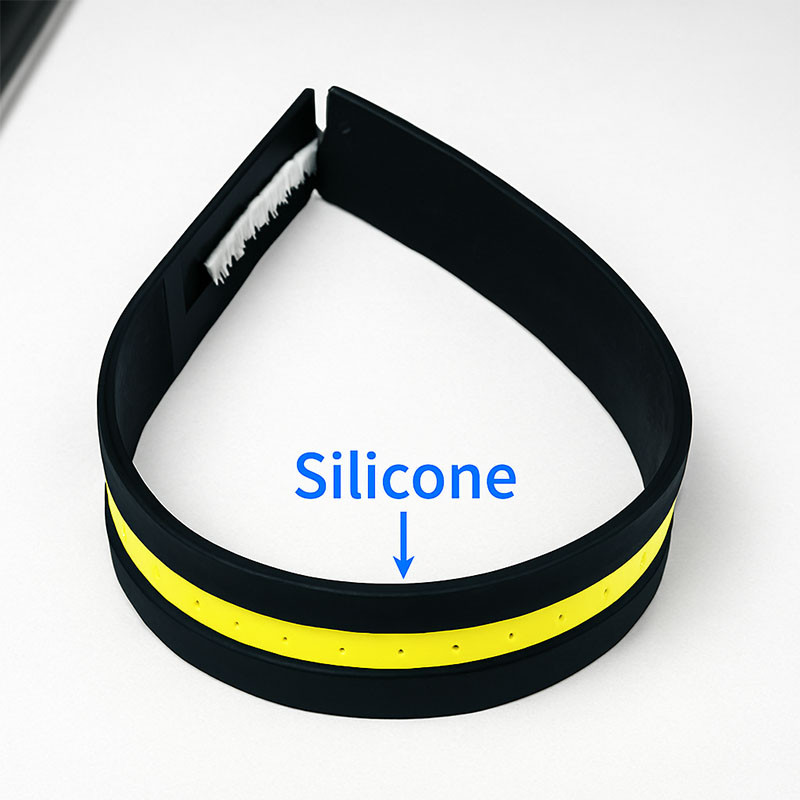
Silicone overmolding involves encapsulating or coating electronic components with a silicone elastomer to enhance protection, durability, and biocompatibility. Unlike traditional rigid encapsulants, silicone offers an elastic, soft touch that aligns with the ergonomic and functional demands of wearable and medical applications.
Why Silicone Overmolding Is the Preferred Choice
Exceptional Flexibility: Silicone elastomers maintain flexibility over a broad temperature range, ensuring device comfort and durability during repeated use.
Biocompatibility: Medical-grade silicones meet stringent standards such as ISO 10993, making them safe for direct skin contact.
Environmental Resistance: Silicone resists moisture, chemicals, UV radiation, and temperature fluctuations, safeguarding sensitive electronics.
Transparency: Clear silicone allows visual inspection of internal components without disassembly.
Electrical Insulation: Silicone provides excellent dielectric properties, reducing risk of electrical failures.
Material Selection for Silicone Overmolding in Medical and Wearable Applications
Choosing the appropriate silicone material is crucial for ensuring performance and compliance.
Types of Silicone Elastomers
| Type | Features | Applications | Advantages |
| Room Temperature Vulcanizing (RTV) | Liquid at room temp, cures in place | Custom shapes, prototypes | Ease of application, rapid curing |
| High-Consistency Rubber (HCR) | Solid, cured with heat | Mass production, durable devices | Superior mechanical properties |
| Liquid Silicone Rubber (LSR) | Two-part, injection-molded | High-volume manufacturing | Precision, consistent quality
|
Biocompatibility and Medical Certification
Medical-Grade Silicone: Complies with ISO 10993, USP Class VI, and FDA regulations.
Features: Low extractables and leachables, hypoallergenic, non-toxic.
Additional Material Considerations
Hardness (Shore A): Typically between 10-50 for wearables, balancing softness with structural integrity.
Coloring Agents: FDA-compliant pigments for aesthetic customization.
Additives: UV stabilizers or antimicrobial agents as required.
Design Considerations for Successful Silicone Overmolding
Achieving optimal device performance hinges on meticulous design planning.
Component Preparation
Surface Treatment: Proper cleaning and primers enhance adhesion.
Design for Overmolding: Incorporate features such as undercuts, draft angles, and interlocks to improve mechanical retention.
Component Material Compatibility: Ensure substrates are compatible with silicone, avoiding materials that may cause adhesion issues.
Mold Design and Manufacturing
Precision Molds: High-precision molds reduce defects and improve surface finish.
Venting and Drainage: Adequate venting prevents air entrapment, ensuring uniform coverage.
Parting Lines: Minimize visible lines for aesthetic appeal and user comfort.
Overmold Thickness and Coverage
Optimal Thickness: Typically 1-3 mm, balancing protection with flexibility.
Coverage Areas: Focus on critical zones—edges, connectors, and interfaces prone to wear.
Manufacturing Processes for Silicone Overmolding
Injection Molding
Ideal for high-volume production, offering precision, repeatability, and cost efficiency.
Process: Silicone is injected into a mold cavity containing the pre-assembled components.
Compression Molding
Suitable for lower volumes or specialized applications.
Process: Silicone is placed into a mold, then compressed under heat to form the overmold.
Transfer Molding
Combines aspects of injection and compression molding, suitable for complex geometries.
Key Benefits of Silicone Overmolding in Wearables and Medical Devices
Enhanced Mechanical Protection
Shock Absorption: Silicone cushions impacts, extending device lifespan.
Waterproofing: Achieves IP ratings (e.g., IP67/68), ensuring devices are protected from water ingress.
User Comfort and Ergonomics
Soft Touch: Silicone's tactile properties improve user experience.
Flexibility: Conforms to body contours, reducing discomfort during prolonged wear.
Environmental and Chemical Resistance
UV Stability: Maintains appearance and integrity under sunlight.
Chemical Resistance: Protects against sweat, lotions, and cleaning agents.
Electrical Performance
Dielectric Strength: Prevents electrical shorts.
Insulation: Protects sensitive circuitry in harsh environments.
Industry Applications of Silicone Overmolding
Smartwatches and Fitness Trackers: Encapsulating circuits to resist sweat and impact.
Health Monitors: Ensuring durability and comfort for continuous skin contact.
Hearing Aids: Providing waterproofing and comfort.
Implantable Devices: Encapsulation with biocompatible silicone to prevent tissue reaction.
Surgical Instruments: Protecting electronics from sterilization processes.
Diagnostic Equipment: Ensuring environmental sealing and sterilization compatibility.
Testing and Quality Assurance
Ensuring long-term performance demands rigorous testing:
Adhesion Tests: Confirm strong bonding between silicone and substrates.
Environmental Stress Testing: Assess resistance to temperature, humidity, and UV exposure.
Mechanical Testing: Evaluate flexibility, tear strength, and compression set.
Biocompatibility Testing: Verify compliance with medical safety standards.
Future Trends and Innovations in Silicone Overmolding
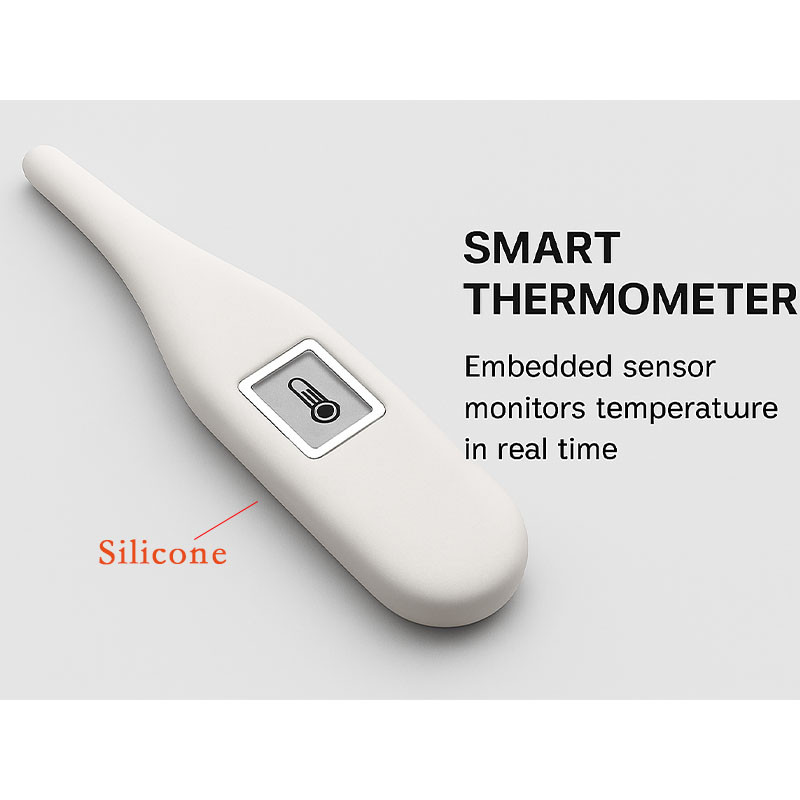
Smart Silicone Materials: Integration of sensors within the silicone matrix for real-time health monitoring.
Eco-Friendly Silicone: Development of biodegradable or recyclable silicones to enhance sustainability.
Advanced Mold Technologies: Use of additive manufacturing for rapid prototyping and complex geometries.
Enhanced Biocompatibility: New formulations to reduce allergenic responses and improve tissue compatibility.
Conclusion
Silicone overmolding stands at the forefront of wearable technology and medical device innovation, offering unmatched protection, user comfort, and biocompatibility. Its versatility and durability make it an indispensable component in developing next-generation products that meet the rigorous demands of today's health-conscious and safety-critical markets. By understanding the material properties, design principles, and manufacturing processes, industry professionals can harness the full potential of silicone overmolding to deliver superior products that outperform competitors and set new standards in the industry.
Website:www.siliconeplus.net
Email:sales11@siliconeplus.net.
Phone:13420974883
Wechat:13420974883