The Complete Guide to Metal with Silicone Overmolding Manufacturing
Introduction to Metal with Silicone Overmolding
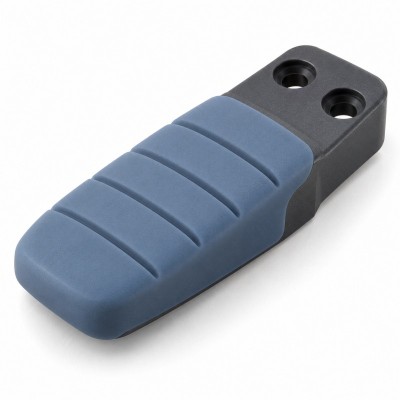
Metal with silicone overmolding represents a cutting-edge manufacturing process that combines the strength and durability of metals with the flexibility, insulation, and aesthetic appeal of silicone rubber. This hybrid approach is transforming industries such as automotive, electronics, medical devices, and consumer products by enabling the production of components that are robust, ergonomic, and resistant to environmental factors.
In this comprehensive guide, we delve into every aspect of metal with silicone overmolding manufacturing, exploring the materials involved, process steps, design considerations, applications, and the benefits that make this technology a game-changer for modern product development.
Understanding the Components: Metals and Silicone Rubber
Metals Used in Overmolding
The foundation of metal with silicone overmolding lies in selecting the appropriate metal substrate. Common metals include:
Aluminum: Lightweight, corrosion-resistant, and easy to machine, making it ideal for consumer electronics and aerospace components.
Steel: Known for its high strength and durability, suitable for industrial machinery and automotive parts.
Brass and Copper: Offer excellent thermal and electrical conductivity, often used in electrical connectors and heat sinks.
Stainless Steel: Combines strength with corrosion resistance, perfect for medical devices and food-grade applications.
Silicone Rubber Characteristics
Silicone rubber is chosen for its flexibility, temperature stability, chemical resistance, and biocompatibility. Key properties include:
High flexibility: Enables ergonomic grips and vibration damping.
Temperature resistance: Operates efficiently from -55°C to +300°C.
Electrical insulation: Ideal for electronic enclosures and connectors.
Chemical and weather resistance: Suitable for outdoor and harsh environment applications.
The Overmolding Manufacturing Process
Step 1: Metal Substrate Preparation
The process begins with precise fabrication of the metal component. This involves:
CNC machining for complex geometries.
Surface treatment such as abrasive blasting, oxidation, or primer application to ensure optimal adhesion.
Cleaning to remove oils, debris, or oxidation layers that could impair bonding.
Step 2: Silicone Molding Design
Design considerations are critical:
Mold design must accommodate accurate positioning of the silicone over the metal.
Bonding surfaces are engineered to enhance adhesion.
Ventilation channels are incorporated to prevent air entrapment during silicone injection.
Step 3: Silicone Overmolding Process
The overmolding occurs through injection molding:
Silicone rubber is heated and injected into the mold containing the prepared metal substrate.
Vulcanization occurs within the mold, curing the silicone onto the metal surface.
Cooling and ejection finalize the overmolded part, which now exhibits integral bonding between metal and silicone.
Step 4: Post-Processing and Quality Control
Post-molding steps include:
Trimming excess silicone.
Inspection for bond integrity, dimensional accuracy, and surface finish.
Testing for environmental resistance, electrical insulation, and mechanical strength.
Design Considerations for Metal with Silicone Overmolding
Adhesion Enhancement Strategies
Achieving a strong bond between metal and silicone is paramount:
Surface roughening or priming increases mechanical interlocking.
Use of silane coupling agents enhances chemical bonding.
Selecting appropriate silicone formulations compatible with the metal substrate.
Component Geometry and Tolerances
Designs must consider:
Overmolding thickness to balance flexibility and durability.
Complex geometries that facilitate flow of silicone during injection.
Clearance and tolerances to prevent air entrapment or imperfect bonding.
Environmental and Mechanical Stress Factors
Design for:
Vibration damping.
Temperature fluctuations.
Chemical exposure.
Mechanical impacts.
Choosing suitable materials and design features ensures longevity and performance.
Applications of Metal with Silicone Overmolding
Enhanced grip and insulation for connectors.
Vibration-resistant enclosures that protect sensitive components.
Waterproof sealing in outdoor electronics.
Automotive Components
Ergonomic grips for steering wheels and gear shifts.
Vibration damping mounts.
Corrosion-resistant housings for sensors and control units.
Biocompatible interfaces with sterilizable silicone coatings.
Enhanced grip and patient comfort.
Electrical insulation for implantable devices.
Consumer Products
Ergonomic handles for power tools.
Durable, weather-resistant outdoor fixtures.
Enhanced aesthetic appeal with customizable silicone colors and textures.
Advantages of Metal with Silicone Overmolding
| Advantages | Details |
| Enhanced Durability | Combines metal’s strength with silicone’s flexibility for long-lasting products. |
| Improved Ergonomics | Silicone provides a comfortable, non-slip grip. |
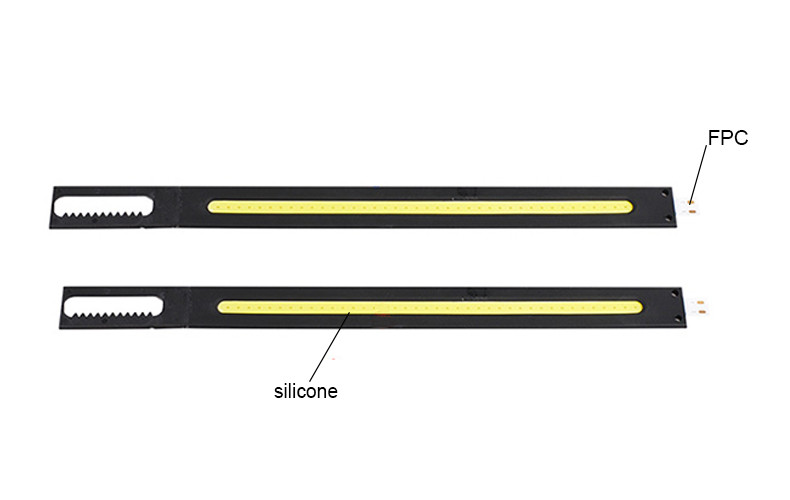
Corrosion Resistance | Metal surfaces can be protected and sealed by silicone, extending product lifespan. |
Environmental Resistance | Silicone protects against moisture, chemicals, and temperature extremes. |
Design Flexibility | Enables complex shapes, textures, and aesthetic customization. |
Vibration and Shock Absorption | Silicone cushions impacts, protecting internal components. |
Challenges and Solutions in Metal with Silicone Overmolding
Bonding Issues
Challenge: Achieving a reliable bond can be difficult due to differing material properties.
Solution: Use of specialized primers, surface treatments, and compatible silicone formulations.
Processing Limitations
Challenge: High precision needed to prevent defects such as air pockets or incomplete coverage.
Solution: Advanced mold design, optimized injection parameters, and rigorous quality control.
Material Compatibility
Challenge: Not all metals or silicones are compatible.
Solution: Material selection based on compatibility testing and adherence to industry standards.
Future Trends in Metal with Silicone Overmolding
Smart Overmolded Components:
Integration of sensors within silicone coatings for real-time monitoring.Eco-Friendly Materials:
Development of biodegradable or recyclable silicones and metals.Automation and AI:
Use of automated manufacturing and AI-driven quality inspection for higher precision.Customization and On-Demand Production:
Rapid prototyping enabling tailored solutions for niche markets.Conclusion
Metal with silicone overmolding manufacturing is a versatile, robust, and cost-effective solution that addresses the demands of modern industries. By intelligently combining metal’s strength with silicone’s flexibility and resistance, manufacturers can produce high-performance components that excel in durability, ergonomics, and aesthetic appeal.
The process requires meticulous design, precise manufacturing, and rigorous quality control, but the benefits—ranging from enhanced product lifespan to improved user experience—make it a compelling choice for innovative product development. As technological advancements continue, the scope for metal with silicone overmolding is poised to expand, unlocking new possibilities for industry leaders and innovators.
Website:www.siliconeplus.net
Email:sales11@siliconeplus.net.
Phone:13420974883
Wechat:13420974883