The Future of Metal with Silicone Overmolding: Trends to Watch
Introduction:
The Evolution of Metal and Silicone Overmolding Technologies
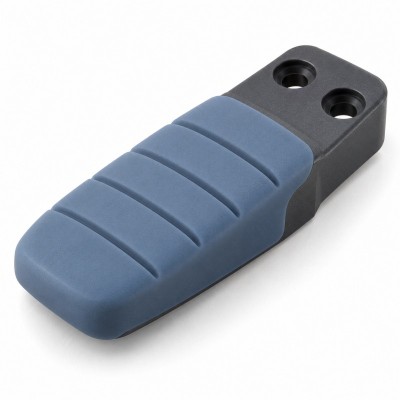
In an era driven aby innovation and precision engineering, metal with silicone overmolding has emerged as a transformative technology that redefines the boundaries of product design, durability, and functionality. This synergy combines the strength, thermal stability, and conductivity of metals with the flexibility, chemical resistance, and soft touch of silicone, creating composite components with unparalleled performance characteristics.
As industries such as automotive, medical devices, consumer electronics, and industrial machinery increasingly demand lightweight, durable, and user-friendly solutions, silicone overmolding on metals continues to evolve rapidly. The future landscape promises groundbreaking advancements that will further enhance the versatility, sustainability, and technological capabilities of these hybrid materials.
Understanding Silicone Overmolding on Metals: Core Principles and Benefits
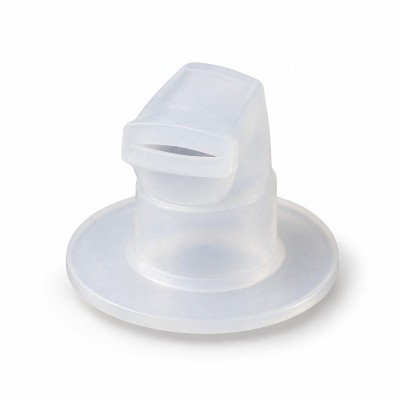
Silicone overmolding involves the process of encapsulating or coating metal substrates with a layer of silicone rubber.
This process offers numerous advantages:
Enhanced Durability: Silicone provides superior resistance to environmental factors such as UV radiation, moisture, chemicals, and extreme temperatures.
Improved Ergonomics: Soft-touch silicone enhances grip and user comfort, especially in handheld devices and control panels.
Electrical Insulation: Silicone's excellent dielectric properties make it suitable for electrical and electronic applications.
Vibration Damping: The flexible silicone layer absorbs shocks and vibrations, protecting delicate components.
Corrosion Resistance: The silicone coating acts as a barrier against corrosion, extending the lifespan of metal parts.
These benefits position metal-silicone composites as ideal solutions across diverse sectors, setting the stage for future innovations.
Emerging Trends in Metal with Silicone Overmolding: A Deep Dive
1. Advanced Material Development for Superior Performance
The future of silicone overmolding hinges on the development of high-performance silicone formulations that can withstand harsher environments while maintaining flexibility and resistance. Innovations include:
Silicone composites with enhanced thermal conductivity for better heat dissipation in electronic components.
Bio-compatible silicone formulations for medical devices requiring sterilization and biocompatibility.
Flame-retardant silicone compounds to meet stringent safety standards in industrial applications.
Simultaneously, metal substrates are evolving with alloy innovations such as titanium, aluminum, and magnesium, which offer lightweight yet robust structures optimized for overmolding.
2. Precision Manufacturing and Micro-Molding Techniques
As miniaturization becomes critical, micro-molding technologies are gaining prominence, enabling the creation of complex, high-precision silicone-overmolded metal parts with intricate geometries. These advancements allow:
Tighter tolerances for electronics and medical implants.
Enhanced aesthetic finishes for consumer products.
Integration of multiple functions into a single component, reducing assembly costs.
The adoption of robotic automation and digital manufacturing ensures consistency and scalability, making high-quality overmolds accessible for mass production.
3. Integration of Smart and Functional Features
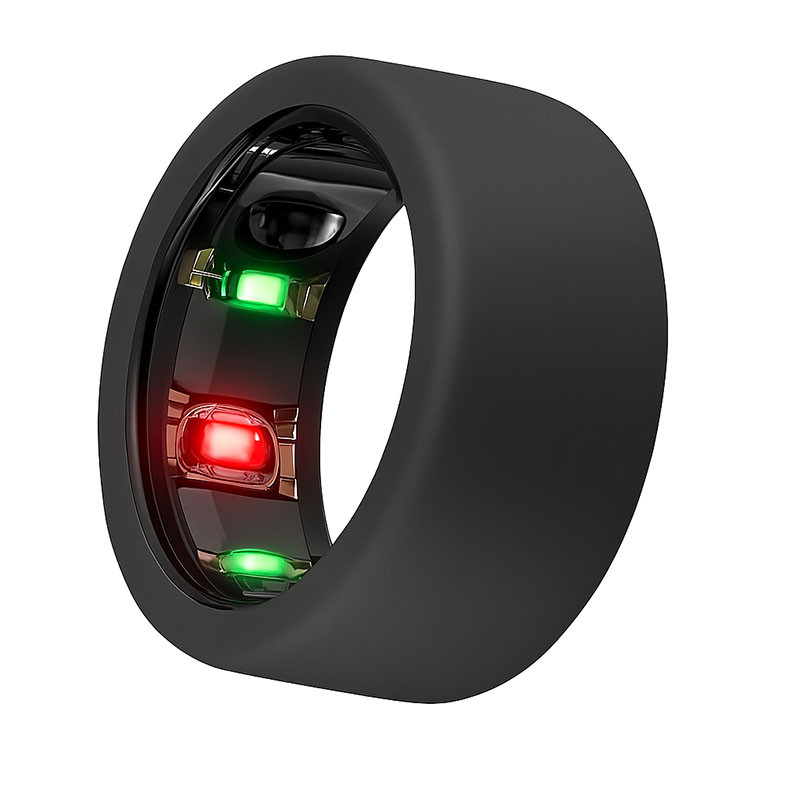
The future of metal with silicone overmolding is increasingly intertwined with smart technology. Incorporating sensor integration within the silicone layer enables real-time monitoring of parameters such as:
Temperature
Vibration
Pressure
Humidity
This integration facilitates predictive maintenance, enhanced safety, and user interactivity. For example, wearable medical devices with embedded sensors benefit from silicone’s biocompatibility and the structural strength of metals.
4. Sustainable and Eco-Friendly Overmolding Solutions
Environmental considerations are shaping the future of manufacturing. Innovations focus on sustainable silicone formulations that are biodegradable, recyclable, and free from harmful chemicals. Additionally, eco-conscious metal alloys and energy-efficient overmolding processes are gaining traction, aligning with global sustainability goals.
5. Customization and Design Flexibility
The flexibility of silicone overmolding allows for customized textures, colors, and finishes, catering to branding and ergonomic requirements. The ability to overmold complex geometries on various metals opens new avenues for product differentiation and user-centric designs.
Key Applications and Industry-Specific Trends
Automotive Industry: From Safety to Comfort
In automotive manufacturing, silicone overmolding on metals is revolutionizing components such as switches, control panels, and engine parts. Trends include:
Enhanced thermal management in electric vehicle (EV) batteries.
Vibration damping for quieter, more comfortable rides.
Waterproofing and corrosion resistance for exterior components.
Medical Devices: Precision and Biocompatibility
The medical sector benefits from biocompatible silicone coatings on metal implants, surgical instruments, and diagnostic equipment. Trends focus on:
Sterilization compatibility and resistance to bodily fluids.
Miniaturization of implantable devices.
Enhanced patient comfort through soft-touch interfaces.
Consumer Electronics: Durability Meets Design
In consumer electronics, silicone overmolding provides aesthetic appeal and functional benefits:
Waterproofing for portable devices.
Shock absorption for smartphones and wearables.
Color customization to match brand identity.
Industrial Machinery: Reliability and Safety
Industrial equipment requires robust, resistant components, where overmolding on metals enhances:
Electrical insulation in high-voltage environments.
Vibration damping in heavy machinery.
Corrosion protection in harsh environments.
Material Selection and Compatibility: Ensuring Optimal Overmolding Outcomes
Choosing the Right Metal Substrate
Selecting the appropriate metal substrate is crucial. Factors include:
Thermal and electrical conductivity:
Aluminum and copper are preferred for heat dissipation.Weight considerations:
Magnesium and titanium alloys for lightweight applications.Corrosion resistance:
Stainless steel and coated metals for harsh environments.Silicone Formulation Considerations
The silicone compound must meet specific criteria:
Adhesion properties compatible with the metal surface.
Temperature resistance aligned with operational conditions.
Chemical stability for long-term durability.
Surface Preparation and Adhesion Enhancement
Proper surface treatment, such as plasma cleaning or primer application, ensures strong bonding between silicone and metal, preventing delamination and ensuring longevity.
Manufacturing Processes and Technologies
Overmolding Techniques
Injection Overmolding:
Precise injection of silicone onto prepared metal substrates, suitable for complex geometries.Compression Molding:
Used for high-volume, consistent production, especially with thermally stable silicones.Insert Molding:
Integrating metal inserts directly into silicone parts during the molding process.Quality Control and Inspection
Advanced inspection methods such as ultrasound testing, X-ray imaging, and automated vision systems are employed to ensure adhesion integrity, material uniformity, and dimensional accuracy.
The Road Ahead: Challenges and Opportunities
While the future of metal with silicone overmolding is promising, several challenges persist:
Material compatibility issues in extreme conditions.
Cost implications for high-performance formulations.
Scaling micro-molding techniques for mass production.
However, ongoing research and technological advancements continue to unlock new possibilities, including multi-material overmolding, integrated electronics, and adaptive materials.
Conclusion: Embracing the Next Generation of Hybrid Materials
The future of metal with silicone overmolding is characterized by innovative materials, precision manufacturing, and smart functionalities. As industries demand components that are more durable, lightweight, and adaptable, this hybrid technology will serve as a cornerstone for next-generation products.
By leveraging cutting-edge developments in material science, micro-molding, and integrated electronics, manufacturers can unlock unprecedented design freedom and performance capabilities. The convergence of these trends promises a future where metal-silicone composites are ubiquitous across sectors, fundamentally transforming how products are engineered, manufactured, and experienced.
Table: Comparative Overview of Metal Substrates and Silicone Formulations
Metal Substrate | Advantages | Considerations | Common Applications |
| Aluminum | Lightweight, good thermal conductivity | Surface oxidation, needs pretreatment | Electronics, automotive parts |
Steel (Stainless) | High strength, corrosion-resistant | Heavier, costlier | Medical devices, industrial machinery |
| Titanium | Exceptional strength-to-weight ratio, corrosion resistance | Higher cost, complex processing | Aerospace, high-end medical implants |
| Magnesium | Very lightweight, good machinability | Flammability risk, corrosion | Automotive, portable electronics |
Final Thoughts
The integration of silicone overmolding on metals embodies the future of high-performance, versatile, and sustainable manufacturing. As technological and material innovations accelerate, these hybrid components will become increasingly essential in creating smart, durable, and user-centric products across all sectors. Embracing these trends now will position manufacturers at the forefront of the industry’s evolution, unlocking new realms of possibility in product innovation and functional excellence.
Website:www.siliconeplus.net
Email:sales11@siliconeplus.net.
Phone:13420974883
Wechat:13420974883