Top 10 Silicone Overmolding Manufacturing Innovations for B2B Applications
In today’s fast-changing B2B manufacturing environment, silicone overmolding has become a core solution for producing components that demand durability, flexibility, and long-term reliability across industries such as automotive, medical, electronics, and industrial equipment. As global buyers increasingly prioritize high performance, cost control, and design innovation, manufacturers are advancing their technologies to stay competitive.
Building on the expertise and engineering capabilities showcased by SiliconePlus, modern silicone overmolding solutions go beyond traditional manufacturing. From precision engineering support and material optimization to full-process customization—from prototyping to mass production—these innovations empower businesses to turn complex ideas into scalable, market-ready products.
This guide highlights 10 cutting-edge silicone overmolding innovations that are reshaping industry benchmarks, enhancing product functionality, and helping B2B companies accelerate development cycles while maintaining superior quality and consistency.
1. Advanced Multi-Material Overmolding Techniques for Complex Device Integration
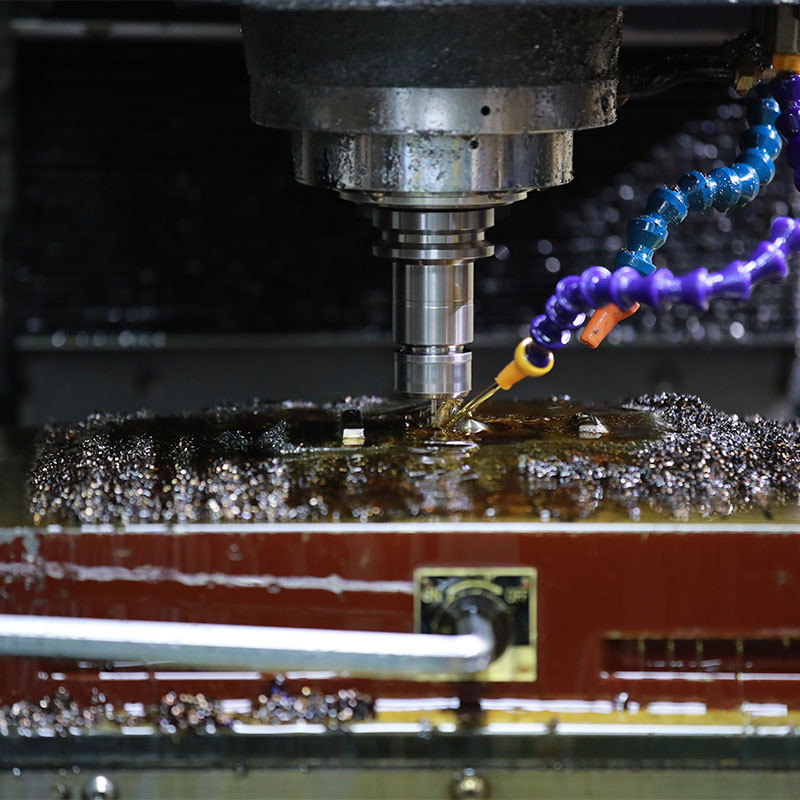
Multi-material overmolding has revolutionized the ability to integrate different materials within a single component, offering unmatched versatility. Modern processes now enable the seamless overmolding of silicone with rigid plastics, metals, and other elastomers, allowing manufacturers to create multi-functional devices with enhanced tactile feedback, improved environmental resistance, and optimized mechanical properties.
Key advantages include:
Enhanced sealing and insulation for electronic components.
Integrated vibration damping for sensitive devices.
Design flexibility for ergonomic and aesthetic considerations.
2. Precision Micro-Overmolding for Miniature and Microelectronic Applications
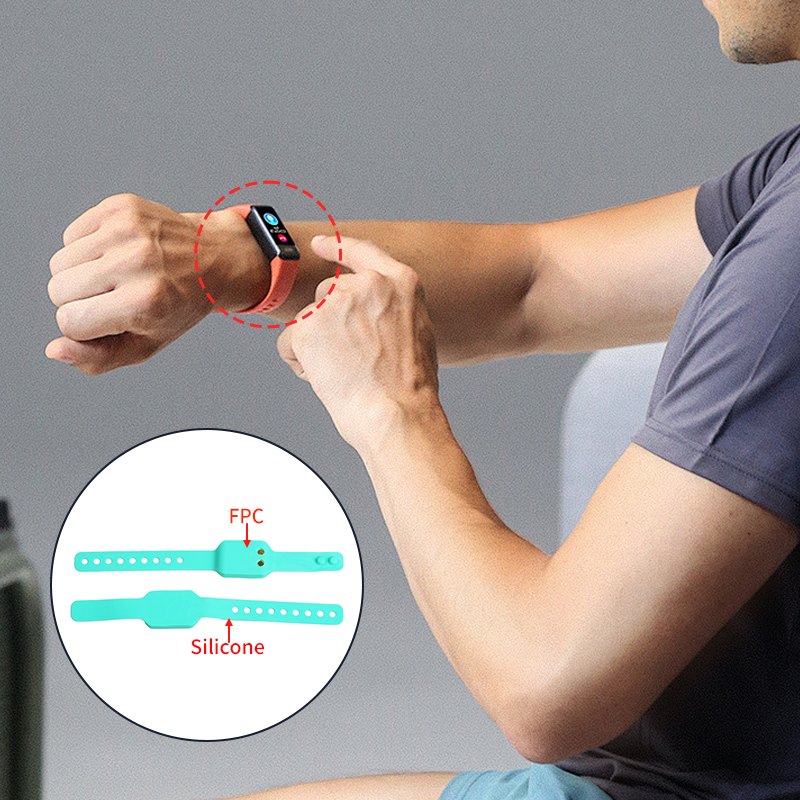
The micro-overmolding process has seen significant advancements, enabling the production of miniature silicone components with extremely tight tolerances. This is particularly critical in medical devices, wearable electronics, and sensor technologies.
Breakthroughs include:
High-precision micro-molds with micro-scale features.
Low-viscosity silicone formulations for finer detail reproduction.
Automated micro-molding systems to ensure consistency and repeatability.
3. Incorporation of Conductive and Thermally Conductive Fillers for Smart Silicone Overmolds
The integration of conductive fillers like carbon nanotubes and metal particles into silicone formulations has led to smart overmolds capable of electrical conductivity, heating, or thermal management.
Innovative applications include:
Flexible sensors embedded within silicone shells.
Self-heating overmolds for de-icing or temperature regulation.
Electromagnetic interference (EMI) shielding for sensitive electronics.
4. Rapid Prototyping and Low-Volume Production with 3D-Printed Silicone Molds
The adoption of additive manufacturing has dramatically shortened the product development cycle. 3D-printed silicone molds allow rapid prototyping, customization, and small-batch production with minimal lead time and cost.
Core innovations include:
High-resolution SLA and DLP 3D printing for detailed mold creation.
Flexible mold materials compatible with silicone casting.
Iterative design modifications without expensive tooling changes.
5. Eco-Friendly and Sustainable Silicone Overmolding Materials
Environmental sustainability is now a fundamental driver of innovation. The development of bio-based and recyclable silicone formulations aligns with global sustainability goals.
Key developments include:
Bio-silicone variants derived from renewable resources.
Recyclable overmolded components designed for disassembly.
Low-VOC and non-toxic formulations for medical and consumer applications.
6. High-Temperature and Chemical-Resistant Silicone Formulations
Industries such as automotive, aerospace, and industrial electronics require silicone overmolds capable of withstanding extreme temperatures and harsh chemicals.
Recent advancements include:
Silicone formulations with temperature resistance exceeding 300°C.
Chemical-resistant variants for exposure to oils, solvents, and acids.
UV-stable silicones for outdoor applications.
7. Automation and Robotics in Silicone Overmolding Processes
The integration of automation and robotics has transformed overmolding manufacturing, enabling high-speed, precise, and repeatable production.
Notable innovations include:
Robotic arm integration for mold handling and silicone dispensing.
Automated quality inspection systems using machine vision.
Smart manufacturing platforms for process monitoring and optimization.
8. Surface Treatment and Coating Technologies for Enhanced Adhesion and Durability
Surface engineering innovations have improved the adhesion between silicone overmolds and various substrates, enhancing durability and performance.
Key technologies include:
Plasma and corona treatments to activate surfaces.
Chemical primers and adhesion promoters tailored for silicone and substrate compatibility.
Nanocoatings for anti-scratch, anti-fingerprint, and self-cleaning properties.
9. Customizable and Modular Overmolding Solutions for Flexible Manufacturing
The demand for customized and modular overmolding solutions allows manufacturers to adapt rapidly to changing market requirements.
Innovations include:
Interchangeable mold inserts for different designs.
Flexible tooling that accommodates various part geometries.
Modular assembly lines supporting multiple product configurations.
10. Integration of IoT and Data Analytics for Process Optimization
The convergence of IoT technology with overmolding machinery enables real-time monitoring and data-driven process improvements.
Key features:
Sensor-equipped molds tracking temperature, pressure, and cycle times.
Cloud-based data analytics for predictive maintenance.
Process automation driven by machine learning algorithms.
Conclusion: Leading the Future of Silicone Overmolding in B2B Markets
The top 10 innovations outlined above are transforming the landscape of silicone overmolding manufacturing. These advancements not only enhance performance, durability, and aesthetic appeal but also significantly improve manufacturing efficiency, cost-effectiveness, and sustainability. As industry leaders continue to push the boundaries of material science and manufacturing technology, businesses that adopt these innovations will secure a competitive advantage, unlock new application potentials, and deliver superior products to their clients.
Staying at the forefront of these technological developments is essential for any B2B enterprise aiming to excel in today's demanding global market. The future of silicone overmolding is undeniably bright, driven by relentless innovation and a commitment to excellence.
Website:www.siliconeplus.net
Email:sales11@siliconeplus.net.
whatsapp:+86 19925429095
Phone:13420974883
Wechat:13420974883