Top 12 Silicone Overmolding Manufacturing Techniques for B2B Product Development
In today’s fast-paced B2B product development environment, silicone overmolding has become a key solution for improving product durability, performance, and user experience. At SiliconePlus, we recognize that choosing the right manufacturing process is essential to achieving consistent quality and long-term reliability in silicone-overmolded components.
Backed by extensive industry expertise, we provide tailored solutions that align with diverse application needs across medical, automotive, electronics, and consumer sectors. This guide explores 12 advanced silicone overmolding techniques, offering detailed insights into their process advantages, application scenarios, and value in modern B2B manufacturing.
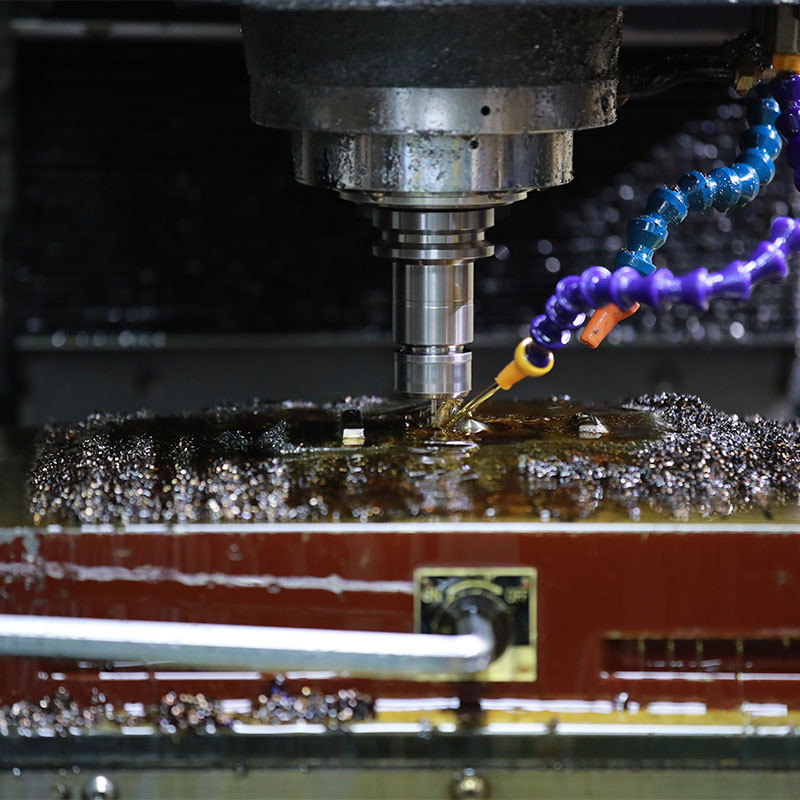
1. Compression Molding: The Classic Technique for Silicone Overmolding
Compression molding remains a foundational process in silicone overmolding, especially suited for producing high-volume, complex-shaped components. This technique involves placing a pre-measured silicone compound into a heated mold cavity, which is then closed under pressure to shape and cure the material.
Advantages of Compression Molding
Cost-effective for large production runs
Excellent dimensional stability
High repeatability and consistency
Suitable for intricate designs with detailed features
Application in B2B Manufacturing
Compression molding is ideal for medical devices, automotive components, and electronic enclosures, where precision and durability are essential.
2. Injection Molding: Precision and Efficiency for Silicone Overmolding
Injection molding is a highly versatile process that injects silicone material into a mold under high pressure, enabling the production of complex, precise overmolded parts with tight tolerances.
Key Features
Rapid cycle times, suitable for large-scale production
High dimensional accuracy
Ability to produce thin-walled, intricate features
Applications in B2B Context
Injection overmolding is predominantly used in wearable technology, medical tubing, and consumer electronics where complex geometries and high-volume output are required.
3. Liquid Silicone Rubber (LSR) Molding: For High-Performance Overmolds
Liquid Silicone Rubber (LSR) molding involves injecting liquid silicone into a heated mold, where it vulcanizes in situ. This process is especially suited for producing high-precision, elastomeric overmolds with superior chemical resistance and temperature stability.
Advantages
Excellent clarity and biocompatibility
Fast curing times
Ability to produce complex, multi-cavity molds
Industry Applications
LSR overmolding is extensively utilized in medical devices, automotive sensors, and electronic seals demanding high-performance silicone.
4. Transfer Molding: Combining Compression and Injection Techniques
Transfer molding is a hybrid process where silicone material is pre-loaded into a chamber and transferred into a mold cavity through a plunger mechanism. It offers precise control of material flow and minimal waste.
Benefits
Suitable for large or delicate parts
Reduces flash and excess material
Ideal for overmolding small, detailed components
Use Cases
Transfer molding excels in medical components, precision connectors, and wear-resistant seals.
5. Compression Overmolding with Insert Molding: Enhancing Functional Integration
Insert overmolding involves placing a substrate or core component into the mold, which is then encapsulated or covered with silicone via compression or injection methods.
Advantages
Improves bonding strength
Enables functional integration of multiple materials
Suitable for electronic housings, medical devices, and consumer gadgets
Application Example
Overmolding silicone around metal inserts for electrical connectors enhances mechanical stability and corrosion resistance.
6. Rotational Molding: For Large, Hollow Silicone Overmolds
Rotational molding is a process where silicone powder or liquid is placed into a mold, which is then heated and rotated to evenly coat the interior surfaces, creating large, hollow silicone components.
Key Benefits
Produces large, seamless, hollow parts
Suitable for customized, soft-touch products
Excellent for medical enclosures and industrial parts
Limitations
Longer cycle times
Less suitable for fine detail but ideal for large, soft overmolds
7. Silicone Overmolding via Silicone Gel Coating
This technique involves applying a thin layer of silicone gel onto existing components, followed by curing, to create a soft-touch, protective coating.
Advantages
Cost-effective for surface finishing
Improves grip and aesthetic appeal
Provides environmental sealing
Application Areas
Popular in consumer electronics, medical devices, and automotive grips.
8. Multi-Shot Molding: For Multi-Component Silicone Overmolds
Multi-shot molding involves sequentially injecting different silicone compounds into a single mold to produce multi-material, multi-color, and multi-function overmolds.
Benefits
Eliminates assembly steps
Creates complex, integrated products
Enhances aesthetic and functional qualities
Ideal for
Wearables, medical devices, and high-end electronic housings.
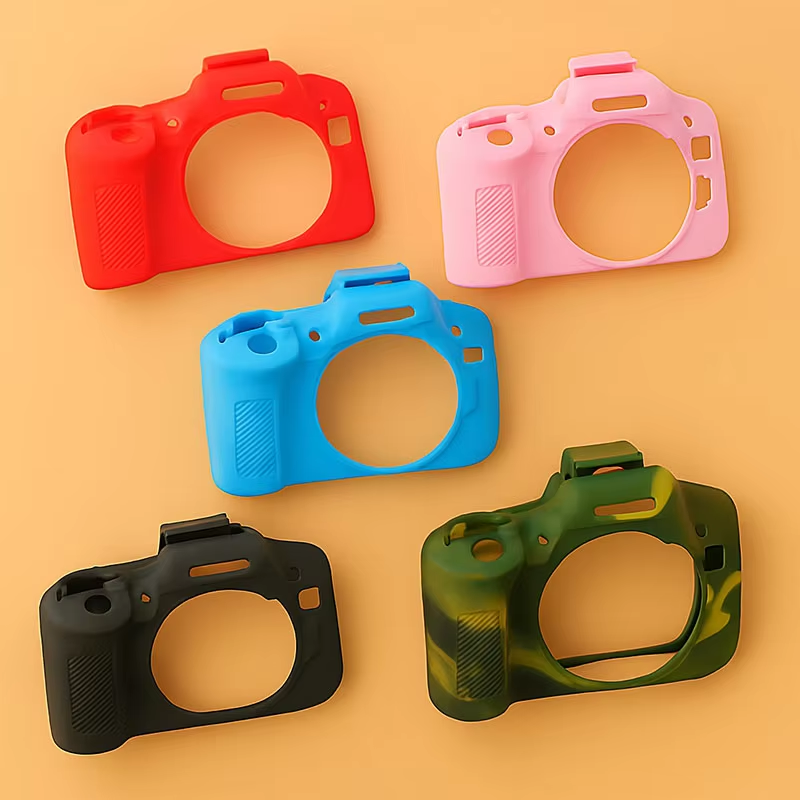
9. Silicone Overmolding with 3D Printing Integration
The integration of advanced 3D printing with traditional overmolding techniques enables rapid prototyping and customized, complex overmolds.
Advantages
Accelerates design validation
Allows for design iterations with minimal tooling costs
Suitable for small batch production and customized solutions
Industry Impact
Enables tailored medical implants, customized industrial tools, and innovative consumer products.
10. Compression Molding with Hard-Soft Material Combinations
This technique combines rigid substrates with soft silicone overmolds via compression, resulting in durable, ergonomic, and impact-resistant products.
Application Examples
Medical device casings
Automotive interior components
Industrial grips
11. Silicone Overmolding with Reinforcements: Enhancing Mechanical Strength
Incorporating reinforcing materials such as fibers or metal inserts within silicone overmolds enhances mechanical properties, including tensile strength and tear resistance.
Benefits
Increased durability
Suitable for heavy-duty applications
Used in automotive seals, industrial machinery, and sports equipment
12. Micro-Overmolding Techniques for Miniature Components
Micro-overmolding involves precision molding of tiny silicone components for applications requiring micro-scale detail and fine features.
Key Features
High-precision tooling
Suitable for medical micro-devices, micro-electromechanical systems (MEMS), and wearable sensors
Conclusion: Selecting the Optimal Silicone Overmolding Technique for B2B Success
Choosing the right silicone overmolding manufacturing technique hinges on the specific application requirements, production volume, design complexity, and performance criteria. From high-precision injection molding to large-scale rotational processes, each method offers unique advantages tailored to diverse industrial needs.
Our expertise in advanced silicone overmolding solutions ensures that B2B partners can achieve superior product quality, cost efficiency, and innovative design integration. By leveraging the most suitable manufacturing techniques, companies can unlock new levels of product performance and market competitiveness.
Website:www.siliconeplus.net
Email:sales11@siliconeplus.net.
whatsapp:+86 19925429095
Phone:13420974883
Wechat:13420974883