Top 6 Challenges in B2B Liquid Silicone Rubber Overmolding and Solutions
Introduction:
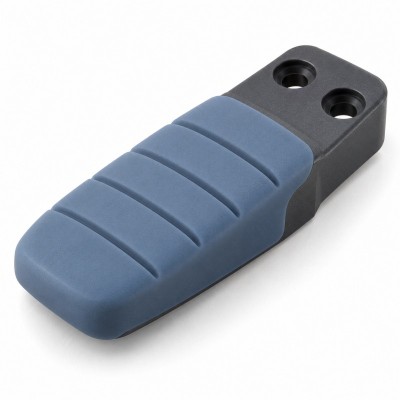
In the competitive landscape of B2B manufacturing, liquid silicone rubber (LSR) overmolding has become a critical process for producing high-performance, durable, and versatile silicone components.
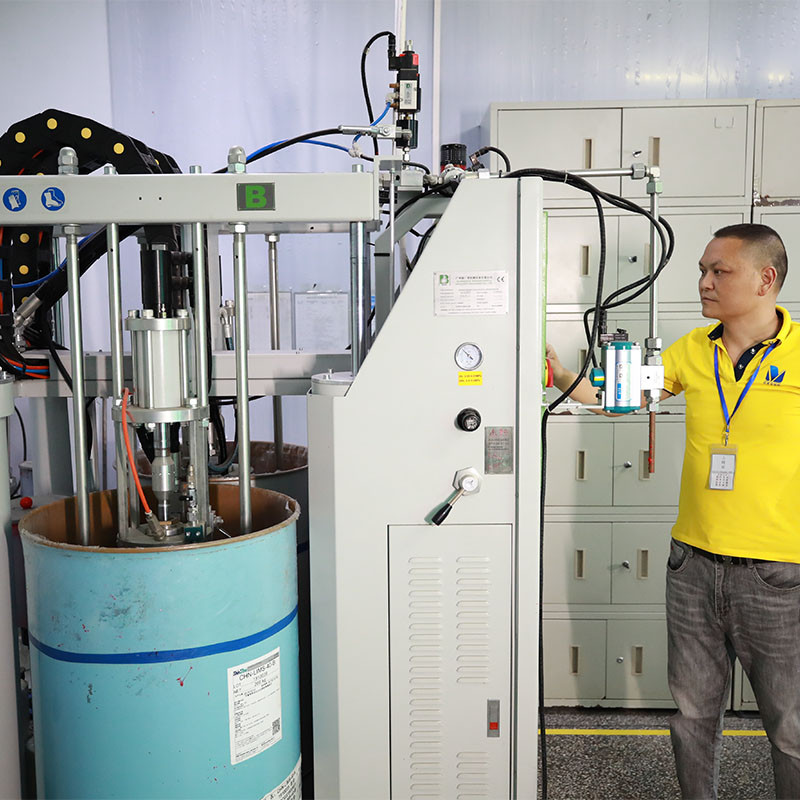
Siliconeplus excels in custom silicone overmolding, backed by a professional engineering team, in-house mold workshop, and certifications including National High-Tech Enterprise and Specialized & Innovative Enterprise. Leveraging our expertise, we understand the complexities and technical hurdles associated with LSR overmolding and provide comprehensive solutions to optimize production, enhance quality, and reduce costs.
1. Adhesion and Bonding Difficulties Between LSR and Substrate Materials
Understanding the Challenge
Achieving strong, reliable adhesion between liquid silicone rubber and diverse substrates such as plastics, metals, or composites remains a primary obstacle. Inadequate bonding can lead to delamination, failure under mechanical stress, and compromise the integrity of the final product.
Root Causes
Surface energy mismatch between silicone and substrate.
Presence of contaminants like oils, dust, or release agents.
Incompatible chemical properties of materials.
Effective Solutions
Surface Treatment Techniques: Application of plasma treatment, corona discharge, or UV-ozone processes to increase surface energy.
Adhesion Promoters: Use of silane coupling agents specifically designed for silicone bonding.
Pre-treatment Protocols: Thorough cleaning and drying of substrates before overmolding.
Material Compatibility Testing: Rigorous testing of substrate and silicone combinations to select optimal pairings.
2. Precise Temperature and Curing Control During Overmolding
Understanding the Challenge
Temperature management plays a pivotal role in LSR overmolding. Excessive heat can cause material degradation, dimensional inaccuracies, or bubbles, while insufficient heat may result in poor curing and weak mechanical properties.
Root Causes
Inconsistent mold temperature regulation.
Variations in material batch properties.
Inadequate processing parameter control.
Effective Solutions
Advanced Thermal Management: Use of precision mold temperature control systems with real-time feedback.
Optimized Processing Parameters: Fine-tuning melt temperature, injection speed, and curing time based on material datasheets.
Automation & Monitoring: Implementing closed-loop control systems to maintain consistent temperature profiles.
Material Consistency: Sourcing high-quality LSR with strict batch controls.
3. Managing Shrinkage and Dimensional Stability
Understanding the Challenge
Dimensional accuracy is critical for functional and aesthetic requirements. Shrinkage during curing can lead to deformation, gaps, and assembly issues.
Root Causes
Variations in material formulation.
Inconsistent curing conditions.
Design flaws in mold geometry.
Effective Solutions
Design for Compensation: Incorporate shrinkage allowances into mold design.
Controlled Curing Conditions: Maintain uniform temperature and curing time.
Material Selection: Use low-shrinkage LSR formulations.
Post-curing Processes: Implement annealing or thermal conditioning to stabilize dimensions.
4. Ensuring Uniform Material Flow and Filling
Understanding the Challenge
Achieving complete and uniform fill in complex molds is essential to prevent voids, air traps, and uneven wall thickness, which impair mechanical integrity and visual quality.
Root Causes
Inadequate injection pressure.
Poor mold venting.
Complex geometries with dead zones.
Effective Solutions
Optimized Mold Design: Incorporate proper vent channels and smooth flow paths.
Processing Parameter Adjustment: Fine-tune injection speed and pressure.
Material Rheology Control: Use of appropriate viscosity formulations.
Simulation & Testing: Utilize mold flow analysis software for predictive modeling.
5. Overcoming Material Compatibility and Chemical Resistance Issues
Understanding the Challenge
The chemical resistance and compatibility of LSR with various environments and substrates determine the longevity and performance of the final product. Incompatibility may lead to material degradation, discoloration, or loss of properties.
Root Causes
Exposure to chemicals, UV, or ozone.
Use of improper material formulations.
Environmental stressors like temperature fluctuations.
Effective Solutions
Material Selection: Use high-grade, specialized LSR formulations designed for specific resistance requirements.
Additives & Stabilizers: Incorporate UV stabilizers, antioxidants, or fire retardants as needed.
Protective Coatings: Apply barrier coatings for enhanced chemical resistance.
Testing & Certification: Conduct accelerated aging tests to validate material performance.
6. Quality Control and Inspection of Finished Overmolded Products
Understanding the Challenge
Ensuring consistent quality across production batches involves detecting defects such as air bubbles, delamination, dimensional inaccuracies, and surface imperfections.
Root Causes
Variability in material properties.
Inconsistent processing conditions.
Insufficient inspection protocols.
Effective Solutions
Automated Inspection Systems: Use of machine vision and non-destructive testing tools.
Standardized QC Procedures: Implement rigorous inspection checklists aligned with industry standards.
In-Line Monitoring: Real-time monitoring of pressure, temperature, and flow during production.
Employee Training: Continuous training on quality awareness and defect detection.
Conclusion: Elevating B2B Liquid Silicone Rubber Overmolding with Strategic Solutions
The landscape of B2B liquid silicone rubber overmolding demands meticulous attention to material properties, process parameters, and quality assurance. By proactively addressing the top six challenges—from achieving robust adhesion to ensuring dimensional stability—manufacturers can maximize product performance, reduce waste, and accelerate time-to-market.
Our expertise underscores the importance of integrated solutions, combining advanced surface treatments, precise process control, innovative mold design, and comprehensive quality management. As industry pioneers, we remain committed to delivering cutting-edge innovations that empower our partners to excel in the competitive realm of liquid silicone rubber overmolding.
Website:www.siliconeplus.net
Email:sales11@siliconeplus.net.
Phone:13420974883
Wechat:13420974883