Top 7 Custom Silicone Overmolding with Metal Insert for B2B Sensor Housing
Introduction:
In the rapidly evolving landscape of industrial sensors, robust, reliable, and precisely engineered housings are essential for optimal performance.
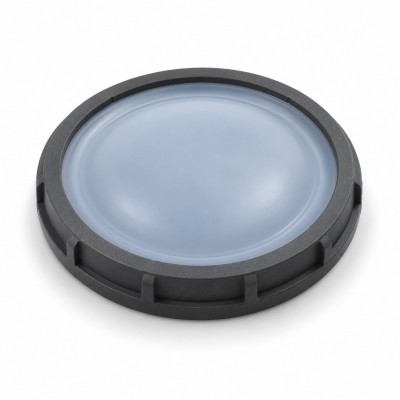
Custom silicone overmolding with metal inserts has become a game-changer, offering superior protection, sealing, and mechanical stability. Siliconeplus Silicone overmolding technology excels in this field, supported by a professional engineering team, in-house mold workshop, and certifications including National High-Tech Enterprise and Specialized & Innovative Enterprise. Our expertise ensures B2B sensor manufacturers benefit from durable, high-functioning, and cost-efficient solutions that make their products stand out in competitive markets.
Understanding Silicone Overmolding with Metal Inserts for Sensor Housings
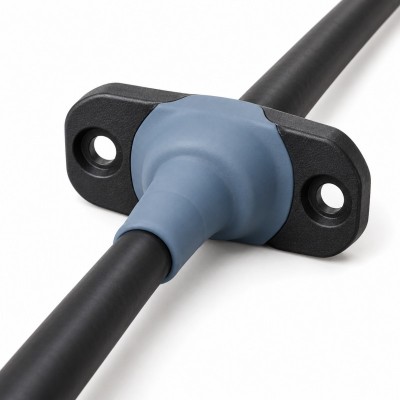
Silicone overmolding with metal inserts involves encasing sensitive sensor components within a custom-molded silicone layer that is integrated with metal inserts such as stainless steel, brass, or aluminum. This combination offers superior environmental resistance, mechanical strength, and electrical insulation, making it ideal for demanding industrial, medical, and automotive environments.
Benefits of Silicone Overmolding with Metal Inserts
Enhanced Environmental Resistance: Silicone provides excellent resistance against moisture, chemicals, UV, and extreme temperatures.
Mechanical Durability: Metal inserts reinforce structural integrity, preventing deformation and ensuring longevity.
Improved Sealing Capabilities: Achieves IP ratings up to IP68, safeguarding sensors from dust, water, and corrosive agents.
Thermal Management: Silicone's thermal stability ensures consistent sensor operation across wide temperature ranges.
Electrical Insulation: Silicone acts as an effective dielectric, protecting sensors from electrical interference.
Key Considerations for Custom Silicone Overmolding Solutions
When selecting or designing a custom overmolding process, several critical factors influence performance:
Material Compatibility: Ensuring silicone and metal insert materials are chemically compatible to prevent corrosion or delamination.
Design Flexibility: Tailoring mold designs for complex geometries, integrated connectors, or specific mounting features.
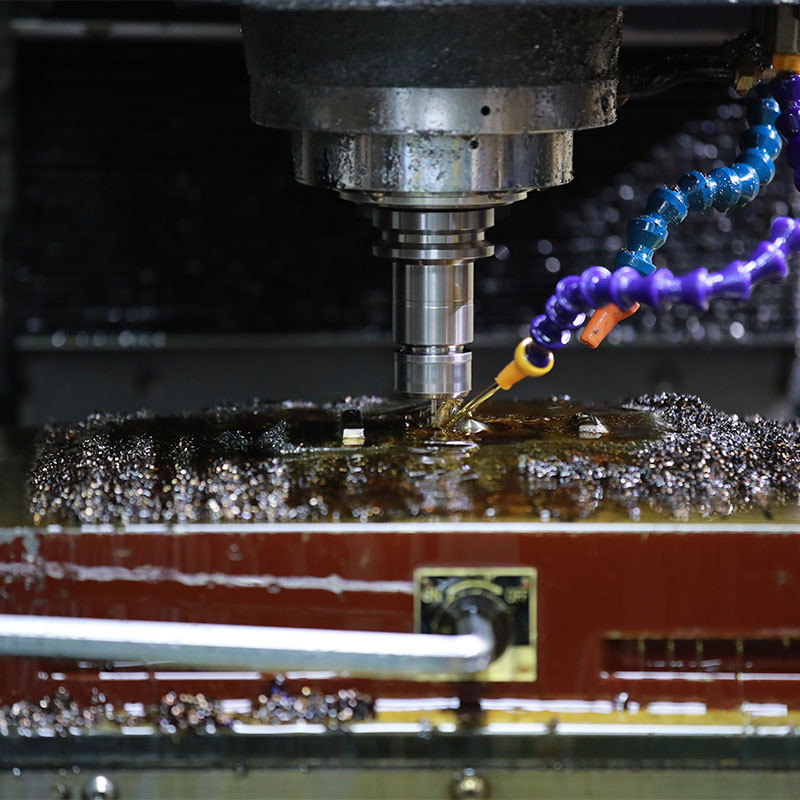
Manufacturing Precision: Achieving tight tolerances to ensure consistent quality and sensor fit.
Environmental and Regulatory Compliance: Meeting industry standards such as UL, RoHS, and REACH.
Top 7 Custom Silicone Overmolding Solutions with Metal Inserts for B2B Sensor Housings
Overview:
Designed for sensors operating in extreme heat environments, this solution utilizes high-temperature silicone (up to 300°C) combined with stainless steel inserts for corrosion resistance and strength.
Applications:
Automotive engine sensors
Industrial process monitoring
Features:
Superior thermal stability
Excellent chemical resistance
Precise molding for complex geometries
Advantages:
Maintains integrity under thermal cycling
Ensures long-term durability
Achieves high IP ratings
2. Medical-Grade Silicone Overmolding with Brass Inserts
Overview:
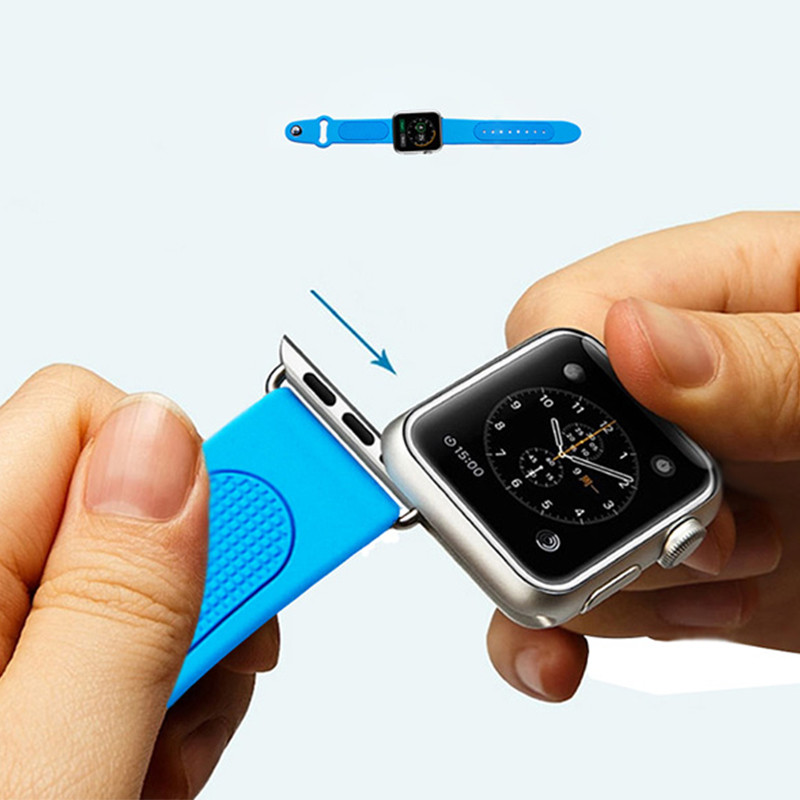
This solution prioritizes biocompatibility and cleanroom manufacturing, ideal for medical sensors and diagnostic devices, utilizing medical-grade silicone with brass inserts.
Applications:
Medical diagnostic sensors
Wearable health devices
Features:
Non-toxic and hypoallergenic
Excellent sterilization compatibility
Precise overmolding for sensitive components
Advantages:
Reduces risk of allergic reactions
Ensures compliance with medical standards
Provides reliable sealing against fluids
3. UV-Resistant Silicone with Aluminum Inserts for Outdoor Sensors
Overview:
Designed for outdoor and marine applications, this solution employs UV-resistant silicone with corrosion-resistant aluminum inserts to withstand harsh environmental conditions.
Applications:
Weather stations
Marine sensor housings
Features:
UV and ozone resistance
Lightweight aluminum for thermal conductivity
Customizable sealing features
Advantages:
Maintains performance over years of exposure
Reduces weight without sacrificing strength
Ensures IP67/IP68 sealing standards
4. Low-Temperature Silicone Overmolding with Copper Inserts
Overview:
Optimized for sensors operating in cryogenic environments, this approach uses low-temperature silicone compatible with copper inserts for thermal management and electrical grounding.
Applications:
Cold chain monitoring sensors
Cryogenic process sensors
Features:
Maintains flexibility at low temperatures
Electrical grounding capability
Excellent thermal transfer properties
Advantages:
Ensures sensor functionality in extreme cold
Prevents thermal stress and cracking
Facilitates reliable electrical connections
5. Flame-Retardant Silicone with Nickel-Plated Metal Inserts
Overview:
For applications requiring fire safety and enhanced durability, this solution features flame-retardant silicone with nickel-plated metal inserts.
Applications:
Fire safety sensors
Aerospace and military sensors
Features:
Meets UL 94 V-0 flame retardancy standards
High mechanical strength
Excellent chemical and temperature resistance
Advantages:
Ensures safety compliance
Provides resilient protection in extreme conditions
Extends operational lifespan
6. Eco-Friendly Silicone with Recycled Metal Inserts
Overview:
Addressing sustainability concerns, this solution employs biodegradable or eco-friendly silicone paired with recycled metal inserts for environmentally conscious sensor production.
Applications:
Eco-sensitive industrial sensors
Consumer electronics
Features:
Low environmental impact manufacturing
Maintains high performance standards
Customizable to client specifications
Advantages:
Supports corporate sustainability goals
Reduces carbon footprint
Meets global eco-label standards
7. Multi-Component Overmolding with Integrated Connectors and Metal Inserts
Overview:
This comprehensive solution integrates connectors, sensors, and metal inserts into a single overmolded component, streamlining assembly and enhancing robustness.
Applications:
Complex industrial sensor systems
IoT sensor modules
Features:
Multi-material overmolding capabilities
Precise placement of connectors and metal parts
Custom sealing and locking features
Advantages:
Reduces assembly time and costs
Ensures high precision and repeatability
Enhances overall system reliability
Design and Manufacturing Best Practices for Overmolding with Metal Inserts
Achieving optimal performance and durability in silicone overmolding with metal inserts requires adherence to industry best practices:
Design for Manufacturability (DfM):
Incorporate features such as venting, draft angles, and appropriate gating to facilitate mold filling and release.
Material Selection:
Choose silicone grades compatible with metal inserts, considering factors like temperature, chemical exposure, and electrical insulation.
Insert Preparation:
Proper cleaning, surface treatment, and coating of metal inserts prevent contamination and improve adhesion.
Molding Process Control:
Utilize advanced injection molding techniques with precise temperature and pressure controls to ensure consistent quality.
Quality Inspection:
Conduct thorough testing, including leak tests, adhesion assessments, and environmental simulations, to verify robustness.
Future Trends in Silicone Overmolding for B2B Sensor Housings
The industry is witnessing innovations that will shape the future of sensor encapsulation:
Smart Overmolding:
Integration of sensors within the overmold itself for real-time health monitoring.
Advanced Materials:
Development of self-healing silicones and nanocomposite materials for enhanced durability.
Additive Manufacturing:
Adoption of 3D printing for rapid prototyping and complex mold designs.
Sustainable Solutions:
Increased focus on biodegradable and recyclable materials aligning with global sustainability goals.
Conclusion: Elevate Your Sensor Housing with Industry-Leading Overmolding Solutions
Choosing the right custom silicone overmolding with metal inserts is pivotal for ensuring sensor reliability, environmental resistance, and mechanical strength in demanding B2B applications. Our curated list of the top 7 solutions demonstrates the breadth of options available, each tailored to specific operational environments and industry standards.
By leveraging advanced materials, precision manufacturing, and innovative design, businesses can significantly enhance the performance and lifespan of their sensor housings, gaining a competitive edge in the market. Whether operating in extreme temperatures, harsh chemicals, or outdoor conditions, these solutions provide robust protection and unmatched reliability.
Invest in cutting-edge overmolding technologies today to future-proof your sensor products. Partner with industry leaders who understand the intricacies of silicone-metal integration, ensuring your sensor housings meet the highest standards of quality, performance, and sustainability.