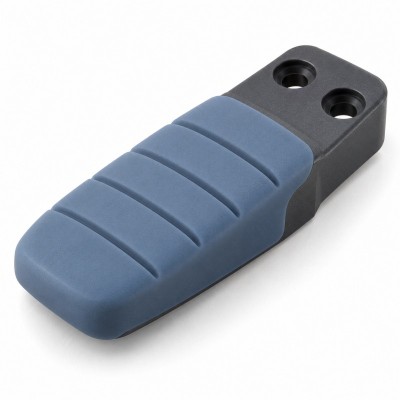
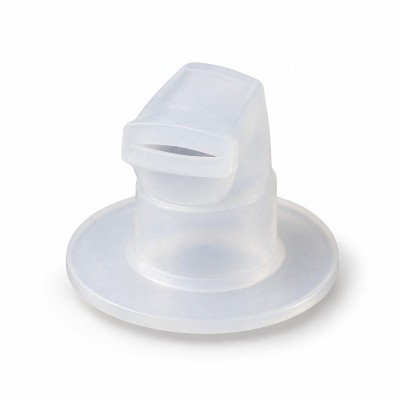
Top 7 Design Considerations for Custom Silicone Overmolding with Metal Insert in B2B Products
Introduction:
In the highly competitive landscape of B2B product manufacturing, achieving the perfect balance of durability, functionality, and cost-effectiveness requires meticulous attention to design considerations. Custom silicone overmolding with metal inserts has emerged as a leading solution for producing robust, high-performance components that meet stringent industrial standards.
Our comprehensive guide explores the seven critical design factors that manufacturers must consider to optimize the overmolding process, ensure product reliability, and maximize manufacturing efficiency. By adhering to these principles, companies can significantly improve the quality and longevity of their silicone-molded components with embedded metal inserts.
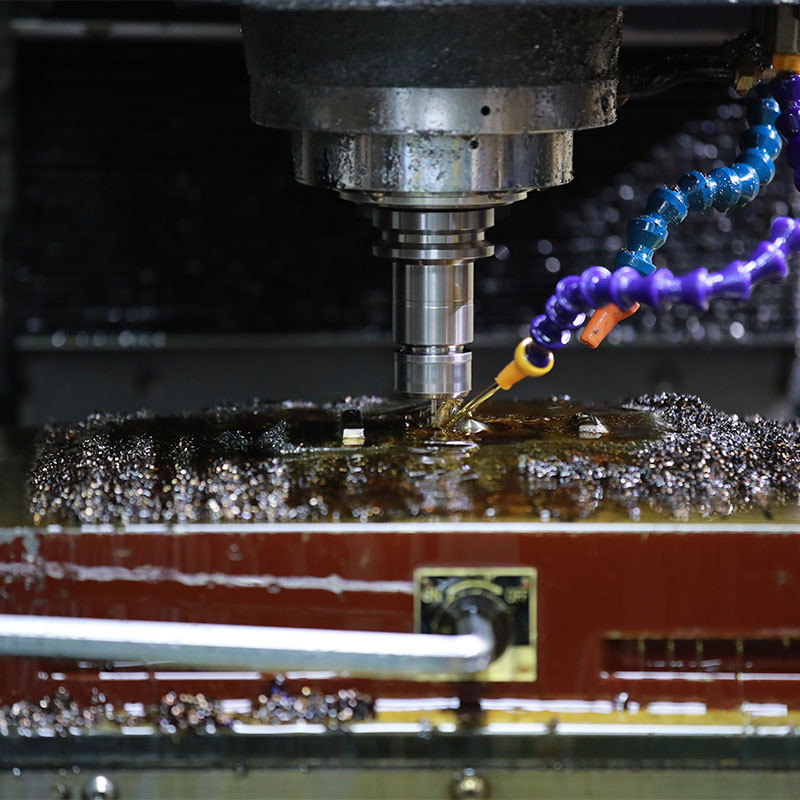
1. Material Compatibility and Selection for Silicone and Metal Inserts
Understanding Material Compatibility
The foundation of a successful silicone overmolding process begins with selecting compatible materials. The silicone elastomer must adhere firmly to the metal insert without compromising its flexibility or mechanical integrity.
Key considerations include:
Silicone Type: Use medically-grade or industrial-grade silicones** that exhibit high thermal stability, chemical resistance, and UV durability.
Metal Type: Common metals include stainless steel, aluminum, brass, and copper. Each has unique surface properties influencing adhesion and corrosion resistance.
Adhesion Promoters: Incorporate silane coupling agents or primer coatings to enhance bonding between silicone and metal surfaces, especially for metals with low surface energy like aluminum.
Optimizing Material Processing
Proper material processing involves preparing the metal surface through abrasion, cleaning, and treatment to maximize adhesion. For example, blast cleaning or acid etching can improve surface roughness, promoting mechanical interlocking.
2. Precise Design of Metal Insert Geometry
Designing for Mechanical Stability and Functionality
The geometry of the metal insert plays a pivotal role in overmolding success. An optimal design ensures secure anchoring within the silicone, preventing movement or separation under operational stresses.
Design strategies include:
Incorporating Undercuts and Tabs: These features create mechanical interlocks that resist pull-out forces.
Adding Surface Textures or Roughness: Enhances bonding surface area and adhesion strength.
Ensuring Proper Fit Tolerances: Precise dimensional tolerances prevent gaps or air pockets that can compromise seal integrity.
Simulation and Prototyping
Use finite element analysis (FEA) to simulate stress distribution and predict failure points. Rapid prototyping with 3D-printed models allows testing of insert fit and overmolding process feasibility.
3. Managing Thermal Expansion and Contraction
Addressing Material Coefficient Disparities
Silicone and metals have distinct coefficients of thermal expansion. During manufacturing and operation, temperature fluctuations can induce stress at the interface, risking delamination or cracking.
Design considerations include:
Selecting metals with similar thermal expansion rates to silicone.
Incorporating compliance features such as flexible ribs or relief cuts to absorb thermal stress.
Controlling processing temperatures during overmolding to minimize thermal shock.
Testing Under Thermal Cycles
Conduct thermal cycling tests to evaluate long-term adhesion stability and material resilience under operational temperature ranges.
4. Overmolding Process Parameters Optimization
Achieving Consistent and Reliable Overmolds
The overmolding process demands precise control over parameters such as melt temperature, pressure, injection speed, and cooling time.
Key process controls include:
Temperature Management: Ensuring silicone melt temperature is optimized to prevent degradation while achieving flowability.
Injection Pressure: Sufficient to fill complex geometries without causing deformation or air entrapment.
Mold Design: Incorporation of venting channels to prevent air pockets and improve flow.
Process Monitoring and Quality Control
Implement inline sensors and process data logging to track parameters during production. Regular inspection and testing of overmolded parts ensure consistent quality.
5. Ensuring Robust Adhesion Between Silicone and Metal
Bonding Techniques for Long-Term Durability
Achieving strong adhesion is critical, especially for parts subject to mechanical stress or environmental exposure.
Effective techniques include:
Surface Treatments: Using plasma, corona discharge, or chemical primers to activate the metal surface.
Use of Adhesion Promoters: Applying silane-based primers that covalently bond to both silicone and metal.
Designing for Mechanical Interlocking: Creating surface textures or embossed features that mechanically lock the silicone.
Adhesion Testing
Perform peel tests and shear strength evaluations regularly to verify bond integrity over the product lifecycle.
6. Designing for Manufacturability and Cost Efficiency
Optimizing Design for Production
The design process should prioritize ease of manufacturing, material efficiency, and cost reduction without sacrificing performance.
Strategies include:
Minimizing Complexity: Simplify metal insert geometries to reduce mold tooling costs.
Standardizing Components: Use off-the-shelf inserts where possible.
Reducing Material Waste: Optimize mold layouts and processing parameters to maximize yield.
Automation and Scalability
Design with automation in mind, enabling high-volume production while maintaining consistent quality.
7. Testing and Validation for Performance and Longevity
Comprehensive Testing Protocols
Implement rigorous testing protocols to validate design choices and ensure compliance with industry standards.
Key tests include:
| Test Type | Purpose | Methodology |
Pull-Out Test | Assess adhesion strength | Apply axial force until failure |
| Environmental Testing | Evaluate resistance to moisture, chemicals, UV | Subject parts to accelerated aging conditions |
| Thermal Cycling | Examine thermal stress resilience | Cycle between temperature extremes |
| Mechanical Fatigue | Test durability under repeated stresses | Repeated flexing and compression cycles |
Conclusion
The successful integration of custom silicone overmolding with metal inserts in B2B products hinges on a comprehensive understanding of material science, engineering design, and manufacturing processes. By meticulously considering material compatibility, geometry design, thermal management, process optimization, adhesion techniques, cost efficiency, and rigorous testing, manufacturers can produce high-quality, durable components that outperform competitors.
This holistic approach not only enhances product performance but also significantly reduces manufacturing costs and time-to-market, providing a competitive edge in the demanding industrial marketplace. Embracing these seven critical design considerations ensures that your custom silicone overmolded products with metal inserts will meet and exceed industry standards, establishing a reputation for excellence and reliability.
Website:www.siliconeplus.net
Email:sales11@siliconeplus.net.
Phone:13420974883
Wechat:13420974883