Top 9 Silicone Manufacturing Best Practices for B2B Precision Components
Introduction:
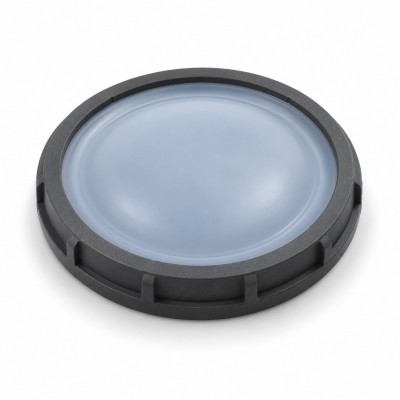
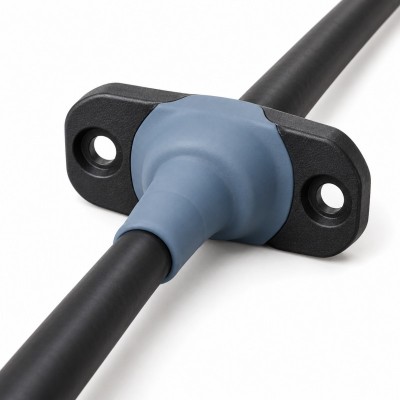
In the highly competitive landscape of B2B precision silicone components, adopting industry-leading manufacturing practices is paramount to ensuring product excellence, compliance, and customer satisfaction. As a leading silicone manufacturer, we understand that precision, quality control, and innovation are the pillars that support a successful supply chain. This comprehensive guide delineates the top 9 silicone manufacturing best practices that guarantee superior performance and reliability for your precision components. LYA Silicone specializes in precision silicone overmolding, combining advanced technology, an experienced engineering team, and a flexible in-house mold workshop. Certified as a National High-Tech and Specialized Innovative Enterprise, we deliver high-quality, reliable, and customized silicone components that meet international standards for medical, industrial, and consumer applications.
1. Rigorous Material Selection and Quality Assurance
Selecting the right silicone materials is the foundation of producing high-precision components. The raw materials must meet strict industry standards such as ISO 9001, ROHS, and REACH compliance. We prioritize high-purity, medical-grade silicone for applications requiring biocompatibility and chemical resistance, while offering custom formulations tailored to specific performance parameters.
Key considerations include:
Consistency in raw material sourcing to prevent variability.
Traceability of raw materials through detailed documentation.
Conducting extensive testing for viscosity, tensile strength, elongation, and thermal stability.
2. Precision Molding Techniques for Complex Geometries
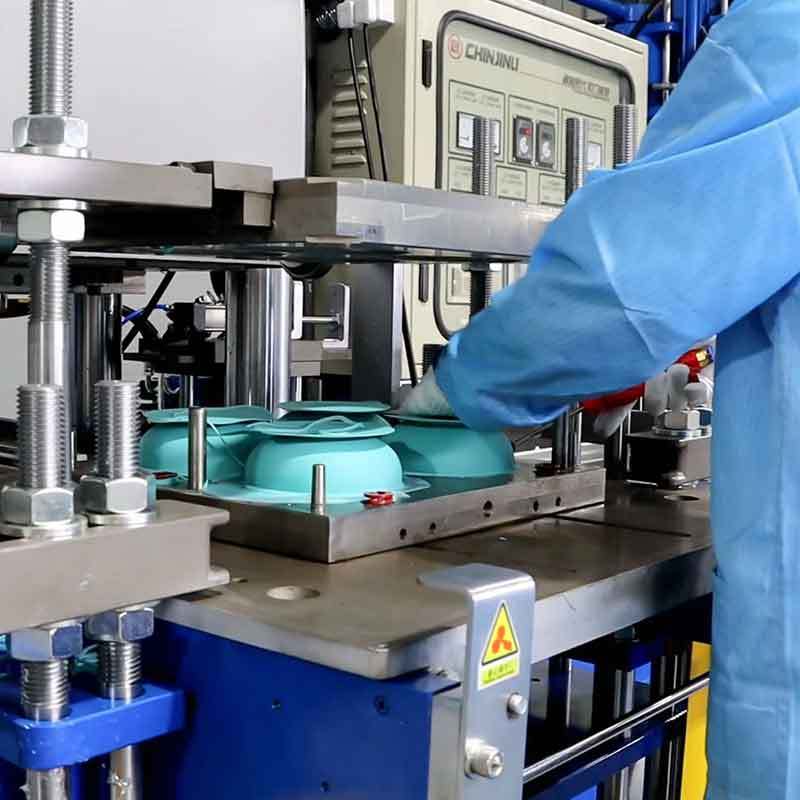
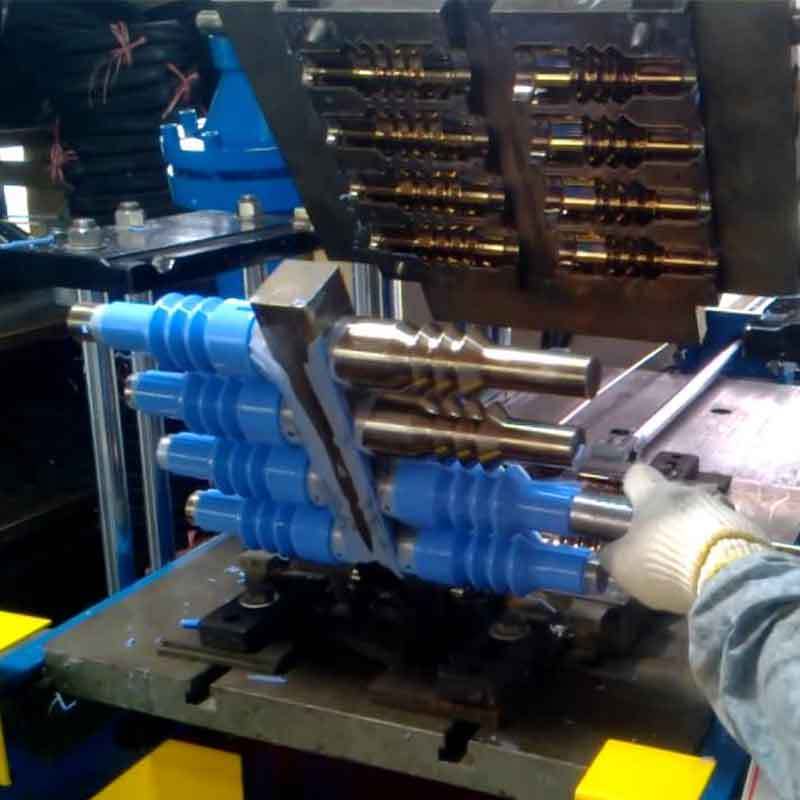
Achieving complex geometries with tight tolerances is critical for B2B applications like medical devices, electronics, and automotive components. We employ advanced molding technologies such as precision injection molding, compression molding, and transfer molding to ensure dimensional accuracy and surface finish.
Best practices include:
Utilizing computer-aided design (CAD) and finite element analysis (FEA) for mold design optimization.
Implementing multi-cavity molds for high-volume production.
Maintaining strict control over mold temperature and injection parameters to prevent defects like sink marks, voids, or flash.
3. Stringent Process Control and Automation
Process control is vital to maintaining consistency across large production runs. We adopt state-of-the-art automation systems that monitor and regulate temperature, pressure, and curing times in real-time.
Key elements include:
Real-time data acquisition and process analytics.
Automated inspection systems for dimensional accuracy.
Implementing Six Sigma methodologies to identify and eliminate variability.
This approach minimizes defects, reduces waste, and ensures repeatability for high-precision components.
4. Optimal Curing and Post-Processing Protocols
Proper curing is essential to achieve the desired mechanical properties and dimensional stability. We utilize thermal curing with precise temperature control and controlled curing cycles to prevent issues like residual stresses or deformation.
Post-processing practices include:
De-flashing to remove excess material.
Surface treatment for enhanced adhesion or waterproofing.
Conducting final inspections with coordinate measuring machines (CMM) for dimensional verification.
5. Comprehensive Quality Control & Testing
Quality assurance is embedded throughout the manufacturing process. We implement multi-stage inspection protocols including:
Visual inspection for surface defects.
Dimensional checks with CMM.
Mechanical testing such as tensile, tear, and compression tests.
Environmental testing for temperature, humidity, and chemical exposure.
Our certified testing labs ensure every batch meets industry standards and client specifications.
6. Adherence to Industry Standards & Certifications
Compliance with international standards enhances trust and market acceptance. We rigorously follow ISO 9001, ISO 13485 for medical-grade components, and ISO 10993 for biocompatibility testing.
Certifications include:
FDA approval for medical applications.
UL/CSA certifications for electrical components.
RoHS and REACH compliance for environmental safety.
Adhering to these standards ensures product reliability and regulatory compliance, critical for B2B clients.
7. Sustainable Manufacturing Practices
Sustainability is integrated into our silicone manufacturing process.
We focus on:
Reducing waste through optimized mold design and material recycling.
Lower energy consumption via energy-efficient equipment.
Using eco-friendly raw materials and non-toxic additives.
Our commitment to green manufacturing not only benefits the environment but also aligns with client corporate social responsibility (CSR) objectives.
8. Continuous Innovation & Customization
The silicone industry is constantly evolving. We invest heavily in research and development to pioneer new formulations and manufacturing techniques that meet emerging industry needs.
Customization options include:
Color matching for branding.
Specialized additives for UV resistance or anti-microbial properties.
Tailored flexibility, hardness, and thermal properties.
Innovation ensures our clients stay ahead in competitive markets.
9. Robust Supply Chain & Logistics Management
Finally, efficient logistics underpin the successful delivery of precision silicone components. We maintain strong supplier relationships and utilize advanced inventory management systems to ensure timely delivery, cost efficiency, and flexibility to scale production.
Key strategies include:
Just-in-time (JIT) manufacturing.
Global distribution networks.
Real-time tracking and customer communication.
This guarantees product availability and service excellence for our B2B partners.
Conclusion: Elevating Silicone Manufacturing for B2B Precision Components
Implementing these top 9 best practices in silicone manufacturing ensures that B2B clients receive high-quality, reliable, and compliant products tailored to their specific needs. Our commitment to material excellence, process precision, quality assurance, and innovation positions us as a trusted partner in the silicone industry.
By adhering to these industry-leading standards, we continuously deliver superior precision components that meet the rigorous demands of medical, electronic, automotive, and industrial applications.
Partner with us to experience unmatched quality and service in silicone manufacturing that propels your business forward.
Website:www.siliconeplus.net
Email:sales11@siliconeplus.net.
Phone:13420974883
Wechat:13420974883