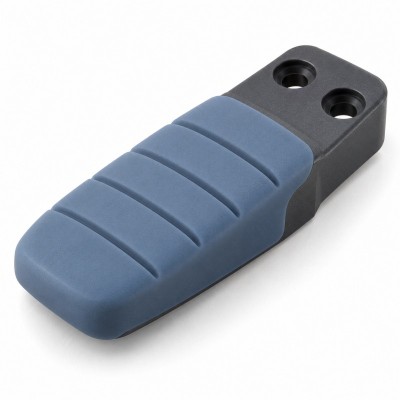
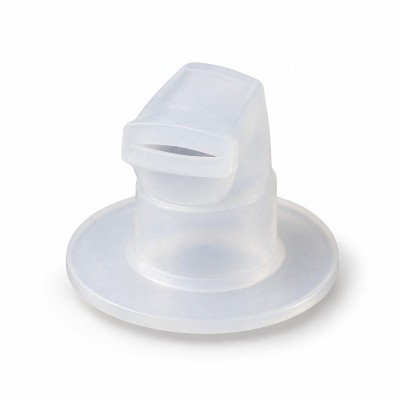
Unlock the Secrets of Custom Liquid Silicone Rubber (LSR) Molding
Introduction:
In the rapidly evolving world of manufacturing and product design, Liquid Silicone Rubber (LSR) molding stands out as a revolutionary process that combines precision, flexibility, and durability. As industry leaders, we understand that mastering custom LSR molding unlocks countless opportunities for innovative product development across medical, automotive, consumer electronics, and industrial sectors. This comprehensive guide delves into every facet of LSR molding, revealing the techniques, advantages, design intricacies, and industry applications that can elevate your manufacturing processes to the highest standards.
Understanding Liquid Silicone Rubber (LSR): The Foundation of Precision Molding
Liquid Silicone Rubber (LSR) is a high-performance silicone elastomer that offers exceptional thermal stability, flexibility, biocompatibility, and chemical resistance. Unlike traditional solid silicone, LSR is supplied in a liquid form, enabling precision injection molding that produces intricate, high-quality parts with minimal waste.
Key Properties of LSR
High Temperature Resistance: Operational stability from -55°C to +300°C, ideal for demanding environments.
Biocompatibility: Suitable for medical devices, implants, and skin-contact applications.
Excellent Electrical Insulation: Making it perfect for electronic components.
Transparency and Colorability: Facilitates aesthetic design and branding.
The Significance of Custom LSR Molding in Modern Manufacturing
Custom LSR molding allows manufacturers to produce complex geometries, micro-scale features, and precision-tolerance components that are otherwise challenging with traditional manufacturing methods. This process enhances product performance, durability, and aesthetic appeal, making it indispensable in sectors requiring high-quality silicone parts.
Advantages Over Conventional Manufacturing
| Feature | Traditional Silicone Molding | Custom LSR Molding |
| Complexity | Limited | High complexity & micro-features |
| Precision | Moderate | High precision & tight tolerances |
Production Speed | Slower | Faster cycle times |
Waste | Higher | Minimized waste |
| Material Utilization | Less efficient | Highly efficient |
The LSR Molding Process: A Step-by-Step Breakdown
Achieving superior quality in custom LSR parts hinges on understanding the molding process. The process involves several meticulously controlled stages:
1. Material Preparation
Compound Selection: Choose the appropriate LSR formulation based on temperature, hardness, and biocompatibility requirements.
Pre-Processing: The LSR is de-gassed to eliminate entrapped air, ensuring uniform flow and dimensional accuracy.
2. Tooling Design and Fabrication
Mold Design: Precision-engineered molds are tailored to the part's specifications, incorporating gas vents, sprues, and ejector systems.
Material: Typically made from steel or aluminum, depending on production volume and complexity.
3. Injection Molding
Heating: The LSR is injected into the mold under controlled temperature and pressure.
Curing: The material cures within the mold, solidifying into the desired shape.
Ejection: The finished part is carefully ejected, often with ejector pins to prevent deformation.
4. Post-Processing
Cleaning: Removal of flash or excess material.
Inspection: Dimensional and surface quality verification.
Secondary Processes: As needed, such as trimming, coating, or assembly.
Design Considerations for Custom LSR Molding
Designing for custom LSR molding requires meticulous attention to part geometry, material flow, and manufacturing constraints. Here are critical factors to optimize your design:
1. Wall Thickness Uniformity
Maintain consistent wall thickness (ideally between 0.5mm and 2mm) to prevent warping and uneven curing.
Incorporate draft angles (usually 1-3°) to facilitate ejection.
2. Micro-Features and Fine Details
Use high-precision molds to achieve micro-textures, embossed logos, or tiny channels.
Be aware of fill limitations; features smaller than 0.2mm may pose challenges.
3. Venting and Gas Release
Design adequate vents to prevent air entrapment.
Gas release pathways are essential for complex geometries.
4. Material Compatibility
Select formulations based on application environment: medical-grade, food-safe, or industrial.
5. Mold Ventilation and Ejection
Proper venting ensures complete fill.
Ejection mechanisms must prevent part deformation or damage.
Industry Applications of Custom LSR Molding
Liquid Silicone Rubber (LSR) molding finds diverse applications across multiple industries, driven by its versatility and performance characteristics.
Medical Tubing and Catheters: Biocompatibility and sterilization ease.
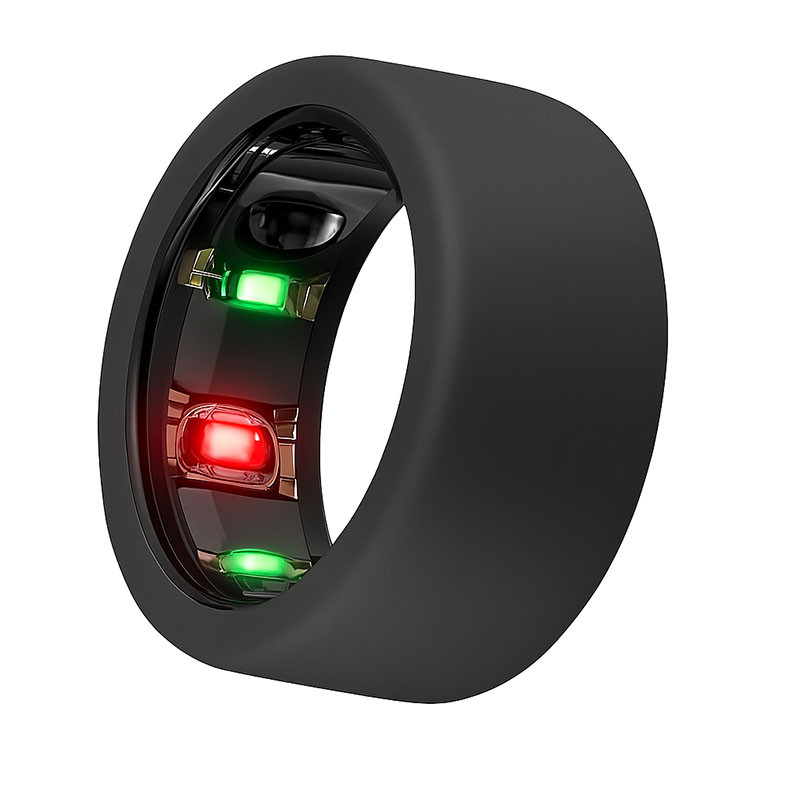
Wearable Devices: Skin-contact sensors and seals.
Implantable Devices: Long-term durability and inertness.
Seals and Gaskets: Withstanding extreme temperatures and chemicals.
Lighting Components: Heat resistance and flexibility.
Interior Parts: Soft-touch surfaces and buttons.
Wearables: Flexible, skin-friendly straps.
Gaskets and Covers: Protect sensitive electronic components.
Aesthetic Components: Transparent or colored parts with micro-textures.
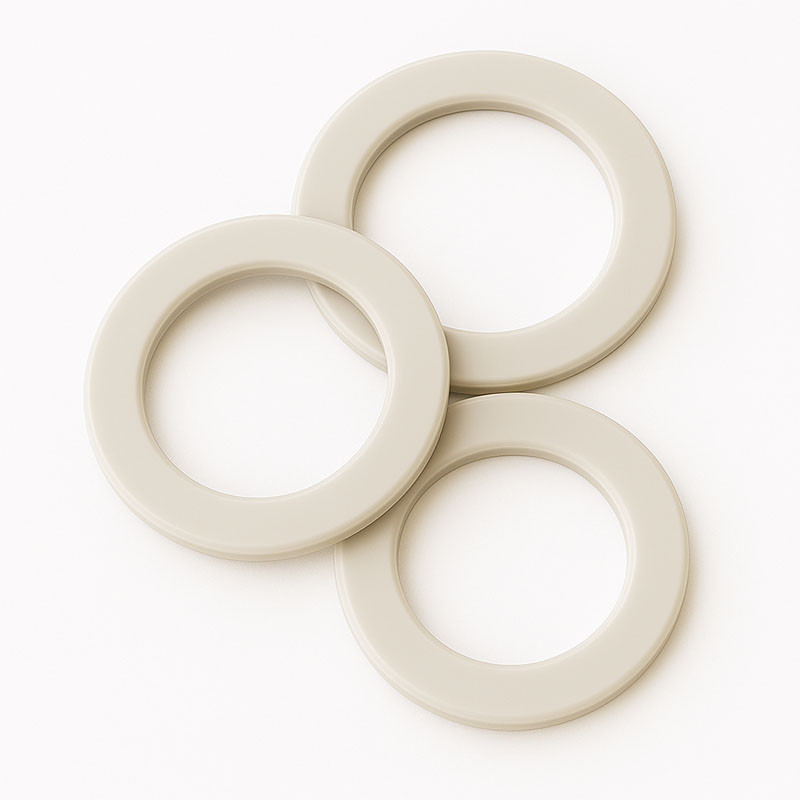
Seals and O-rings: Chemical and temperature resistance.
Fluid Handling Components: Precise micro-channels and complex geometries.
Electrical Insulation Parts: Durable and reliable.
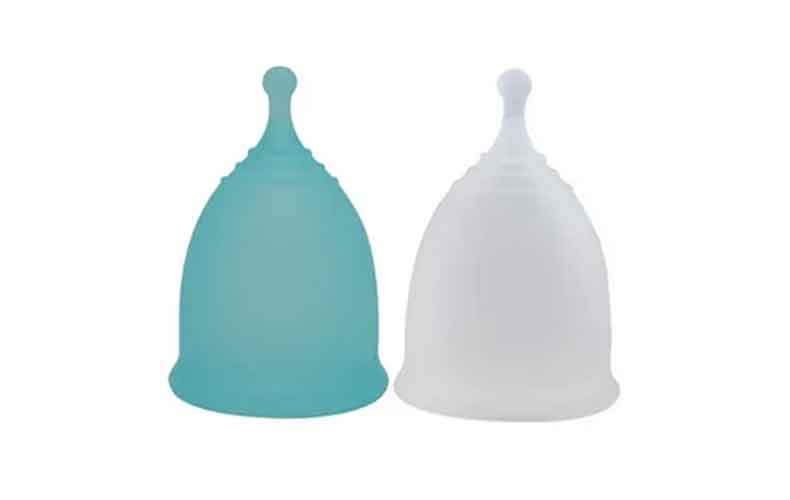
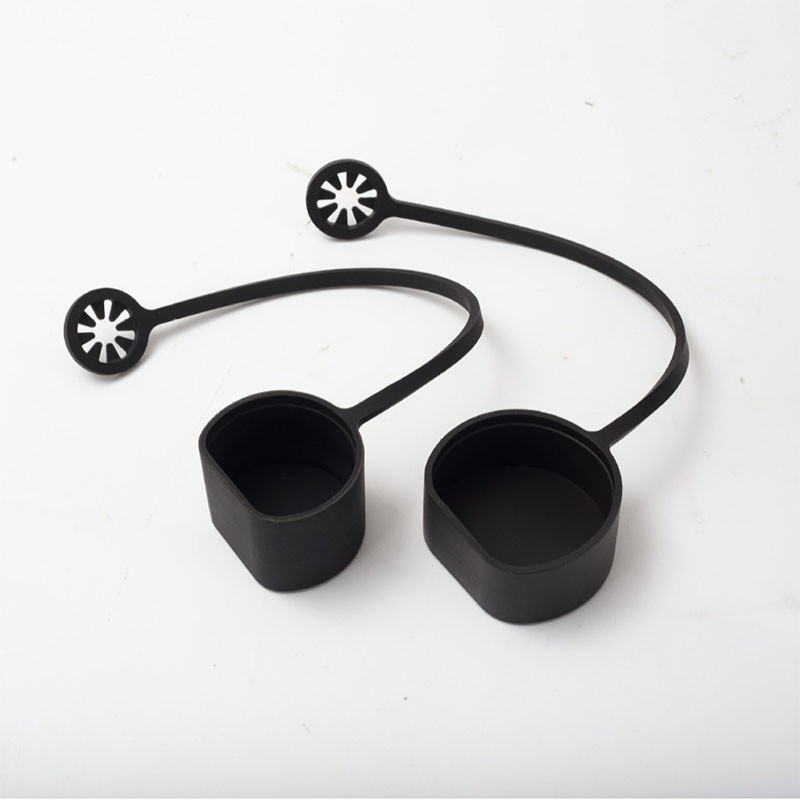
Innovations and Future Trends in LSR Molding
The future of custom LSR molding is driven by technological innovations that enhance precision, efficiency, and sustainability.
1. Advanced Mold Technologies
Additive Manufacturing (3D Printing): For rapid prototype development.
Smart Molds: Integrated sensors for real-time quality monitoring.
2. Material Innovations
Development of biodegradable and eco-friendly formulations.
Enhanced thermal conductivity for applications requiring heat dissipation.
3. Automation and Industry 4.0 Integration
Fully automated injection systems.
Data-driven process optimization for consistent quality.
4. Sustainability Initiatives
Focus on reducing waste and energy consumption.
Use of recyclable silicone materials.
Conclusion: Mastering Custom LSR Molding for Competitive Advantage
Unlocking the secrets of custom Liquid Silicone Rubber (LSR) molding provides manufacturers with a powerful tool to produce high-precision, durable, and aesthetically superior components that meet the most demanding industry standards. From design optimization and material selection to advanced tooling and innovative manufacturing techniques, mastering each aspect ensures superior product quality and market differentiation.
By leveraging the full potential of LSR molding, companies can accelerate innovation, reduce costs, and expand their product portfolios—ultimately achieving sustainable growth in competitive markets.
Website:www.siliconeplus.net
Email:sales11@siliconeplus.net.
Phone:13420974883
Wechat:13420974883