Top 9 Quality Standards for Custom Silicone Overmolding with Metal Insert in B2B Manufacturing
Introduction:
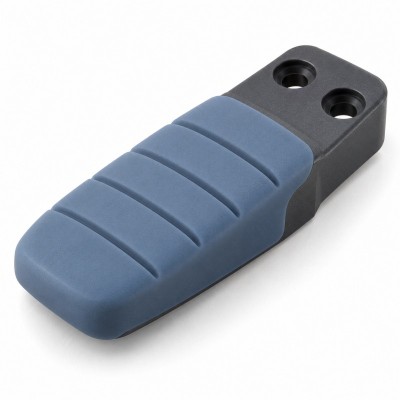
In the highly competitive realm of B2B manufacturing, custom silicone overmolding with metal inserts has become a critical process for producing durable, high-performance components widely used in industries such as medical devices, automotive, electronics, and consumer products.
Achieving superior bonding strength, long-term reliability, and compliance with strict industry standards requires advanced engineering expertise and precise manufacturing control. Siliconeplus excels in silicone overmolding technology, supported by a professional engineering team and an in-house mold workshop that ensures efficient design and tooling development. As a recognized National High-Tech Enterprise and Specialized & Innovative Enterprise, Siliconeplus is committed to delivering high-precision, reliable custom silicone overmolding solutions for global B2B customers.
1. Material Consistency and Purity
Unwavering Material Integrity for Reliable Overmolding
The foundation of any high-quality silicone overmolding process is the use of consistent, pure materials. Material consistency ensures uniformity in color, flexibility, and chemical properties, which directly impacts the performance and longevity of the final product. High-purity silicone elastomers eliminate contamination risks, reduce defects, and enhance biocompatibility where necessary.
Key considerations:
Use of medical-grade or industry-specific silicone formulations.
Strict supplier qualification processes.
Regular material testing for moisture content, impurities, and batch uniformity.
2. Precise Metal Insert Preparation and Compatibility
Ensuring Seamless Integration of Metal Components
Metal inserts must be meticulously prepared to ensure strong adhesion with silicone. This involves:
Cleaning to remove oils, oxides, and contaminants.
Surface treatments such as plasma, anodizing, or silane coupling agents to enhance bonding.
Confirming material compatibility to prevent corrosion, galvanic reactions, or degradation over time.
Critical standards include:
Use of corrosion-resistant metals such as stainless steel or aluminum.
Validated surface treatment protocols.
Dimensional accuracy of inserts to prevent misalignment or defects.
3. Dimensional Accuracy and Tolerance Control
Achieving Perfect Fit Through Tight Tolerance Management
In B2B manufacturing, dimensional precision is non-negotiable. Overmolded parts must meet strict tolerance levels to ensure fit, function, and aesthetic quality.
This involves:
Rigorous mold design and manufacturing.
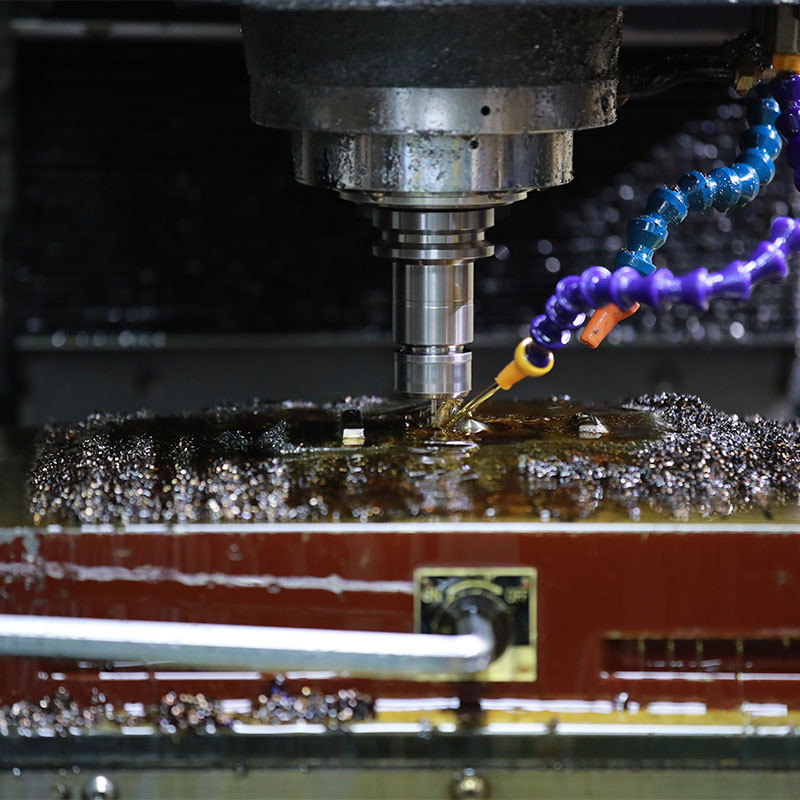
Use of high-precision CNC machining.
Implementation of coordinate measuring machines (CMM) for dimensional verification.
Standard tolerances for overmolding typically range from ±0.05 mm to ±0.1 mm, depending on application requirements. Consistent adherence guarantees reliable assembly, reduces post-processing, and enhances customer satisfaction.
| Dimension Type | Tolerance Range | Application Importance |
| Critical Fit | ±0.02 mm | High-precision assemblies |
| Non-critical | ±0.1 mm | Cosmetic or secondary features |
4. Bond Strength and Adhesion Quality
Maximizing Silicone-Metal Bond Durability
The bond between silicone and metal is pivotal for product reliability. Standards for bond strength typically demand a minimum of 1.5 MPa (megapascals) to withstand mechanical stresses.
Achieving this involves:
Optimized surface treatments.
Proper molding parameters such as temperature, pressure, and dwell time.
Use of adhesion promoters or coupling agents specifically formulated for silicone-metal interfaces.
Testing methods:
Peel tests.
Lap shear tests.
Environmental aging simulations to verify bond durability over time.
5. Precise Molding Process Control
Ensuring Consistency and Repeatability in Overmolding
To achieve high-quality overmolds, manufacturers must strictly control the molding process parameters:
Temperature: Maintaining consistent mold and material temperatures.
Pressure: Ensuring uniform pressure to prevent defects like voids or incomplete fills.
Cycle time: Optimized to balance product quality and production efficiency.
Advanced equipment with real-time process monitoring and automation minimizes variability, reduces waste, and guarantees repeatability.
6. Defect Prevention and Quality Inspection
Implementing Robust Inspection Protocols
Preemptive defect detection and comprehensive inspection are essential to uphold quality standards:
Use of vision systems for surface defect detection.
Dimensional checks via CMM or laser scanning.
Bond integrity testing.
Regular statistical process control (SPC) to identify trends and prevent defects.
Common defects to monitor:
Poor adhesion or delamination.
Voids or air entrapment.
Surface imperfections such as bubbles or roughness.
7. Environmental and Aging Resistance
Guaranteeing Long-Term Durability
Custom silicone overmolds with metal inserts must withstand harsh environments, including temperature fluctuations, humidity, UV exposure, and chemical contact.
Standards require:
Accelerated aging tests simulating years of service.
UV stability testing.
Resistance to oils, solvents, and cleaning agents.
Materials and processes should be selected to ensure no degradation over the product's lifespan, maintaining performance and appearance.
8. Regulatory Compliance and Certification
Meeting Industry-Specific Standards
Depending on the application, overmolded products must comply with relevant regulations:
FDA or ISO 10993 for medical devices.
UL, CE, or RoHS for electronics.
Automotive standards such as ISO/TS 16949.
Certifications validate material safety, manufacturing processes, and product reliability, fostering trust and market acceptance.
9. Documentation and Traceability
Ensuring Transparency and Quality Traceability
Comprehensive documentation supports traceability and quality assurance:
Batch records.
Material certificates.
Inspection reports.
Process validation documents.
Traceability is critical for recalls, quality audits, and continuous improvement initiatives.
Conclusion: Elevating Overmolding Quality in B2B Manufacturing
Adhering to these top 9 quality standards for custom silicone overmolding with metal inserts is essential to deliver products that excel in performance, durability, and compliance. By focusing on material integrity, precision processing, bond strength, defect prevention, and regulatory adherence, manufacturers can outperform competitors and build lasting relationships with clients. Implementing these standards not only guarantees product excellence but also enhances brand reputation in the global marketplace.
Website:www.siliconeplus.net
Email:sales11@siliconeplus.net.
Phone:13420974883
Wechat:13420974883