Home / All / Silicone Products / Industrial Silicone Products / Custom LSR Silicone Duckbill Check Valve | One-Way Flow Control
Custom LSR Silicone Duckbill Check Valve | One-Way Flow Control
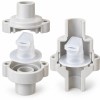
| Share | |
|---|---|
| Categories | Industrial Silicone Products |
| Brand | SiliconePlus | Silicone OverMolding Manufacturing |
| Product Type | Silicone Duckbill Check Valve |
| Silicone Material | Liquid Silicone Rubber (LSR) |
| Molding Process | LSR Injection Molding |
| Valve Structure | One-Piece Body / Flexible Duckbill Lips |
| Mounting Type | Flanged Installation |
| Main Function | One-Way Flow Control / Backflow Prevention |
| Application | Industrial Air and Fluid Control |
| Key Design Requirements | Opening Pressure / Flow Rate / Reverse Leakage |
| Custom Service | OEM / ODM / Drawing-Based Manufacturing |
| Download |  |
Detail Information
Product Overview
Custom LSR silicone duckbill check valves are one-piece flexible components designed for one-way air or liquid flow in compact equipment assemblies.
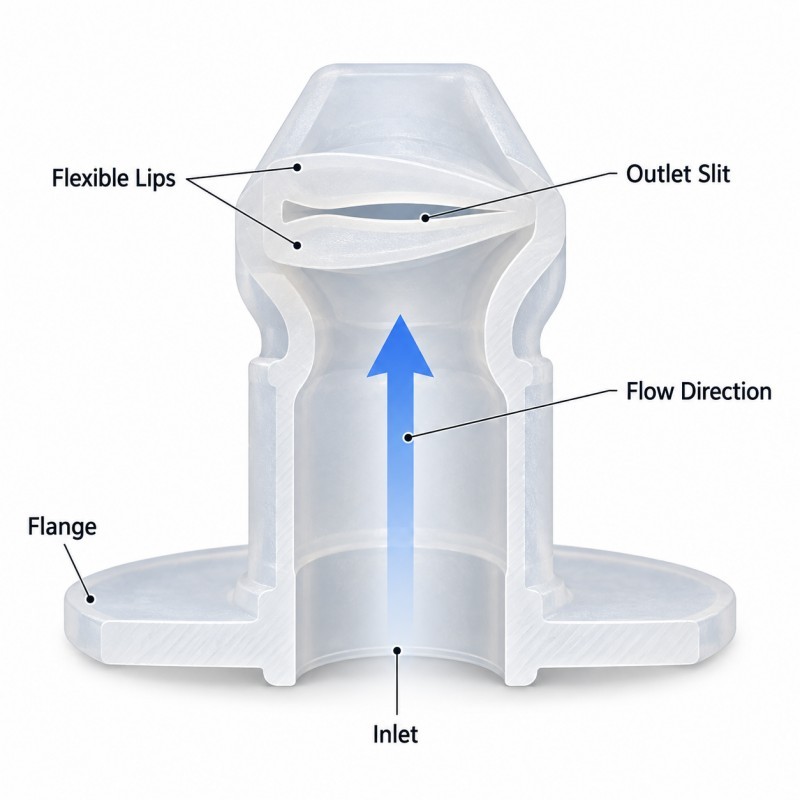
A duckbill valve uses two flexible silicone lips that meet at the outlet. When sufficient forward pressure is applied, the lips separate to permit flow. When the pressure difference decreases or reverses, the lips return toward their closed position to resist backflow.
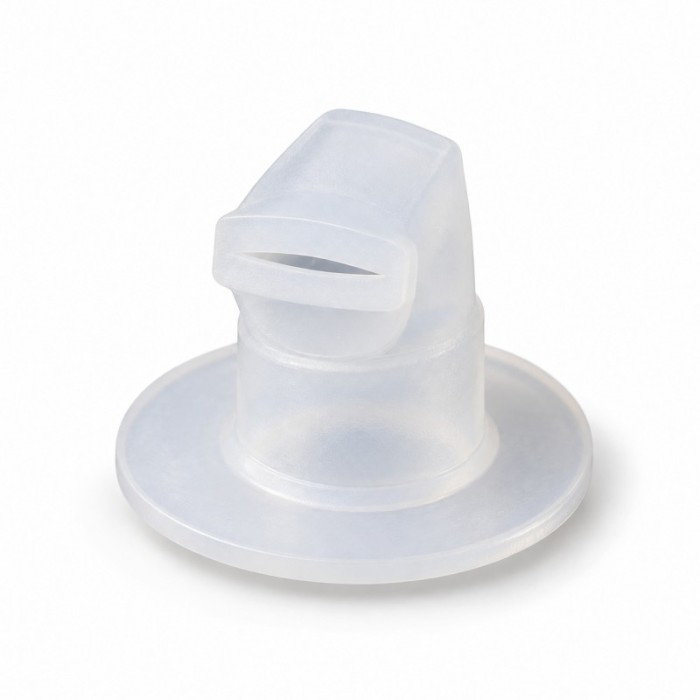
The proposed component consists of a circular mounting flange, a tubular inlet body and a tapered duckbill outlet formed from liquid silicone rubber (LSR).
Unlike a rigid check valve with a separate spring or moving disc, the duckbill design uses the elasticity of the molded silicone lips to provide its opening and closing action.
SiliconePlus supports custom LSR injection molding based on customer drawings, application conditions, valve dimensions and functional requirements. Final opening pressure, flow characteristics and reverse-leakage performance must be validated on the finished component.
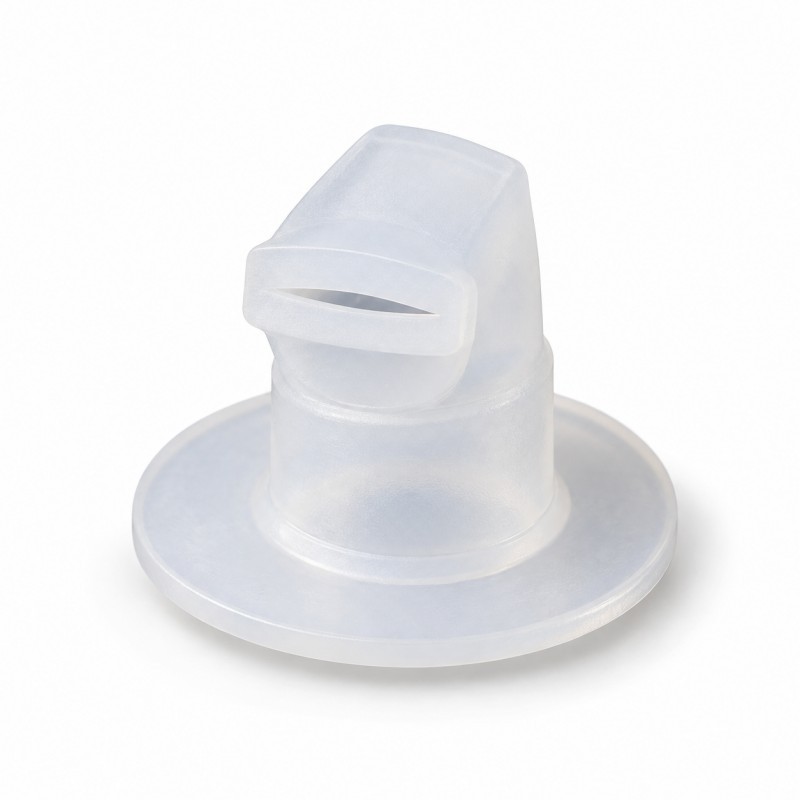
How Does a Silicone Duckbill Check Valve Work?
The operating principle of a silicone duckbill valve depends on the flexible geometry of its two opposing lips.
Forward Flow
When upstream pressure exceeds the valve's opening threshold under the specified test conditions, the flexible lips separate and create a flow passage.
Reverse Flow
When the pressure difference reverses, the elastic lips move toward one another and restrict reverse flow. Actual sealing effectiveness depends on the finished slit, lip geometry, material and installation conditions.
Why This Structure Is Useful
A duckbill valve can provide a compact one-way flow-control element without requiring a separate spring or rigid valve disc inside the silicone component.
However, the valve's opening pressure, flow capacity and reverse-leakage limit cannot be determined from its appearance alone.
For projects requiring precision molded silicone components, learn more about our liquid silicone injection molding capability.
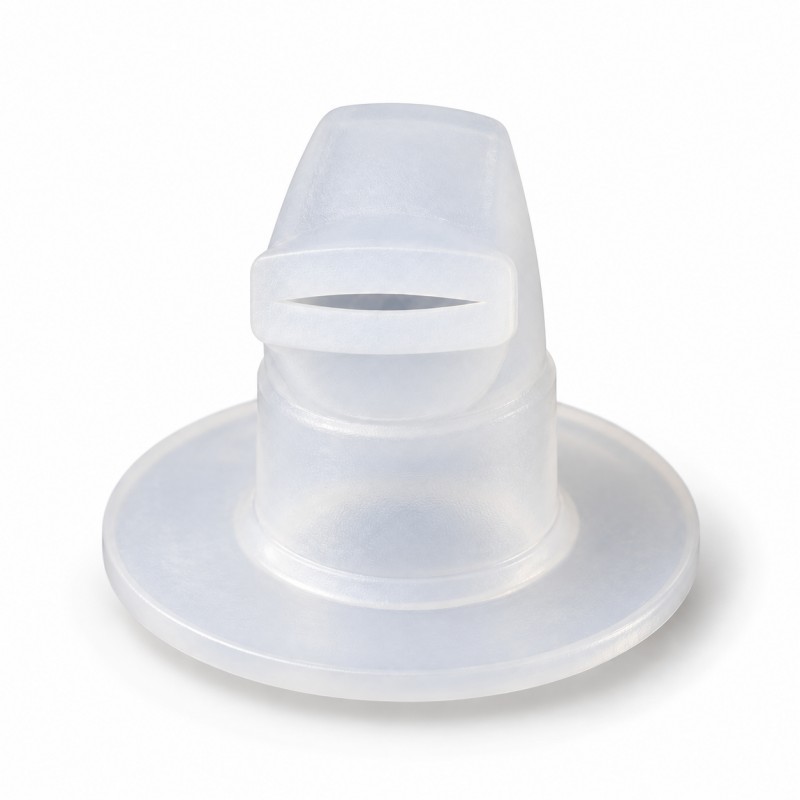
Flexible Duckbill Lips
Two flexible silicone lips form the duckbill outlet. Their geometry and finished slit condition influence the valve's opening response, flow behavior and ability to resist reverse flow.
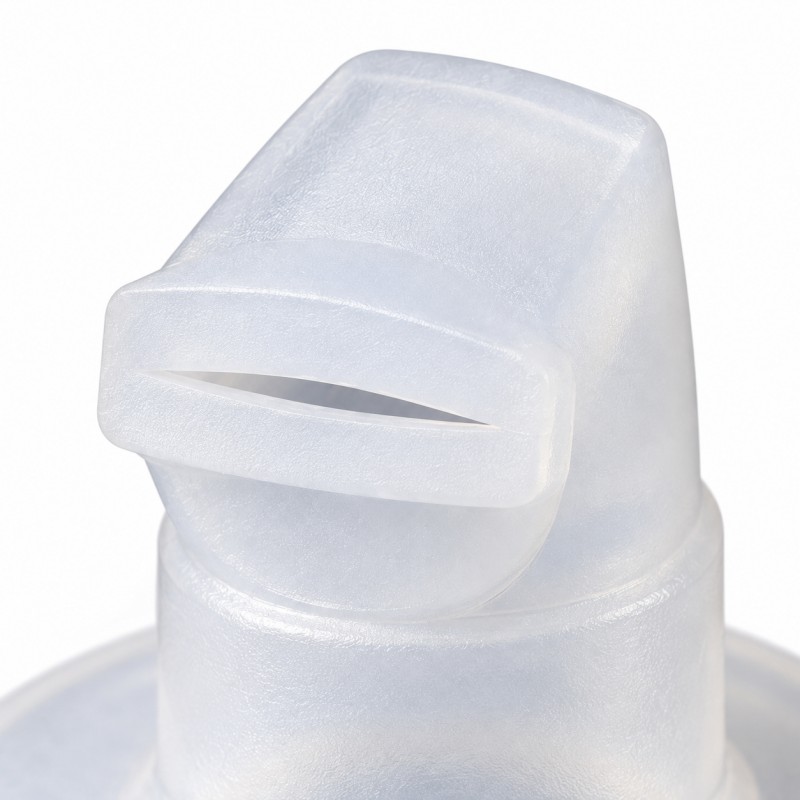
Slit and Sealing Edge Detail
The contact surfaces of the duckbill lips require careful molding and finishing control. Flash, uneven slit geometry or local deformation may affect the final sealing behavior.
Material and Valve Design Requirements
A custom silicone duckbill check valve should be developed according to the complete fluid or air-control assembly rather than selected by external dimensions alone.
Key design requirements include:
- Valve inlet diameter
- Mounting flange geometry
- Duckbill outlet profile
- Flexible lip thickness
- Slit length and finishing method
- Liquid silicone rubber grade
- Material hardness
- Target opening pressure
- Required flow rate
- Reverse pressure and allowable leakage
- Operating temperature
- Working medium and chemical compatibility
- Installation method
- Expected operating cycles
LSR Material Selection
Liquid silicone rubber can be injection molded into compact components with thin flexible sections. However, the selected formulation must be suitable for the actual working medium, temperature and mechanical loading.
Lip Geometry and Opening Behavior
The geometry of the flexible lips is an important factor in valve behavior. Lip thickness, outlet profile and slit condition should be evaluated together rather than independently.
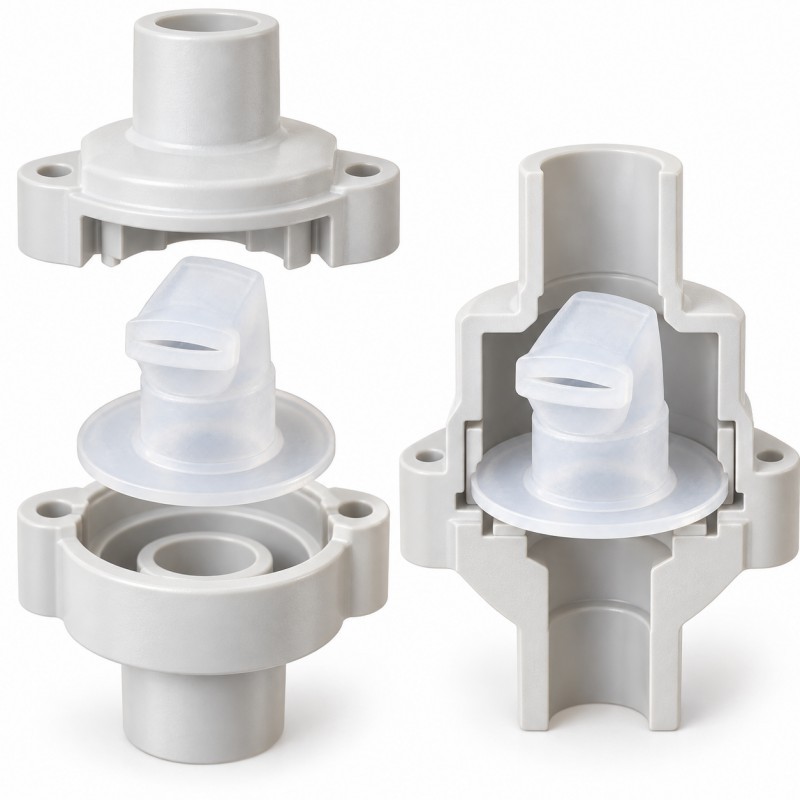
Flange and Housing Compatibility
The mounting flange must fit the customer's mating housing without uncontrolled distortion of the duckbill body or its flexible outlet.
Finished-Part Validation
The completed valve should be evaluated against agreed opening pressure, forward-flow and reverse-leakage requirements where those functions are critical.
For a different type of flexible pressure-responsive component, review our LSR overmolded pressure diaphragm.
LSR Molding and DFM Considerations
The functional performance of a duckbill valve depends on both the molded geometry and the condition of the finished outlet slit.
During DFM review, engineering considerations include:
- Silicone flow into thin lip regions
- Consistent wall transitions
- Mold cavity filling
- Air venting
- Mold parting line location
- Flash control around the lips
- Tooling and demolding direction
- Flange dimensional stability
- Slit formation and finishing
- Visual and dimensional inspection
- Functional testing of finished samples
The opening slit may be formed or finished through a process selected for the approved design. Any post-molding slit operation should be included in the manufacturing and inspection plan.
A valve that appears dimensionally correct may still perform differently if the lip contact area or slit finishing is inconsistent.
For this reason, tooling approval should consider functional behavior as well as appearance and dimensions.
SiliconePlus can review custom LSR molding feasibility, tooling requirements and sampling plans based on the customer's drawings and acceptance criteria.
Typical Applications and OEM Customization
Custom silicone duckbill valves may be evaluated for compact systems requiring one-way air or liquid movement.
Potential applications include:
- Industrial air-control assemblies
- Small liquid dispensing mechanisms
- Compact fluid-transfer equipment
- Non-return flow-control components
- Custom pressure-responsive outlet assemblies
- Equipment requiring a flexible one-way valve element
Application suitability depends on the fluid or gas, temperature, operating pressure, required flow rate and product qualification requirements.
SiliconePlus provides custom component manufacturing rather than complete valve-system design or standard replacement valves.
Available customization can include the overall geometry, mounting flange, inlet size, silicone compound, lip profile, color and finished slit requirements.
If the project also involves branching silicone tubing, you can review our custom LSR silicone tubing Y-connector for a separate fluid-transfer component design.
Please provide the mating housing drawing, working medium and required validation method so the component can be evaluated as part of the intended assembly.
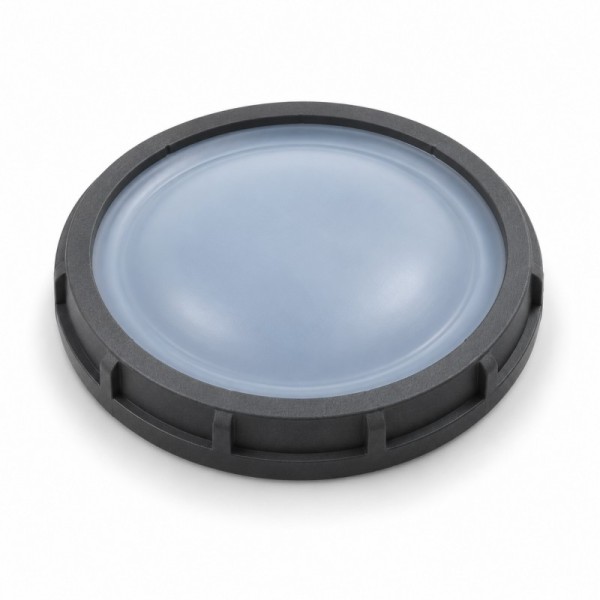
Custom LSR pressure diaphragms with PA support frames for industrial pressure regulation. Drawing-based OEM molding and DFM support.
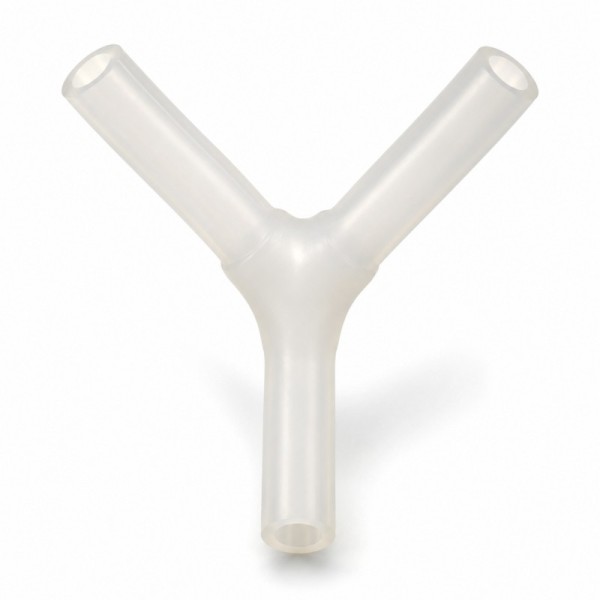
Custom LSR overmolded silicone tubing Y-connectors for medical and bioprocess fluid transfer with smooth, integrated junctions.
Start Your Custom LSR Duckbill Valve Project
To request a quotation, please send us your 2D/3D valve drawing, product sample or design concept, mounting dimensions, working medium, operating temperature, required opening pressure, target flow rate, reverse-leakage requirements and estimated order quantity.
Our engineering team can review LSR material suitability, valve geometry, molding feasibility, tooling requirements, slit finishing and sample validation needs.
SiliconePlus supports custom LSR injection molding from engineering review and mold development through sampling and approved production.
Final valve performance must be verified against the customer's application and test requirements.
Related Products
Review
- 加载中···
Please send your message to us
- *Phone
- *Title
- *Content

Silicone Empowers Excellence
Contact Person