Why Do LSR Overmolded Parts Have Flash Around the Silicone Edge?
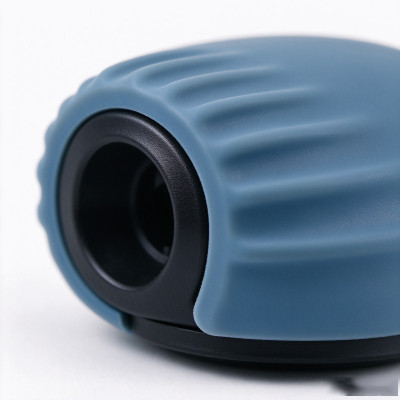
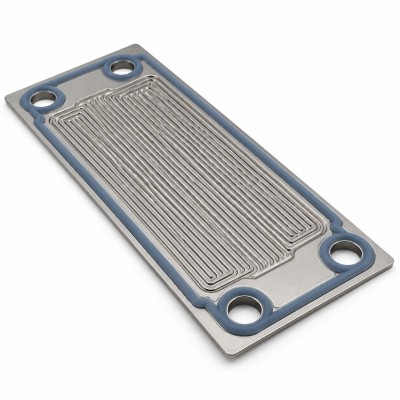
Silicone overmolding combines liquid silicone rubber with plastic, metal, FPC, or other inserts to create integrated functional components.
For precision applications, flash around silicone edges is one of the most common cosmetic and functional defects.
Typical problems include:
• Excess silicone material beyond the designed sealing area
• Uneven silicone edge appearance
• Difficult assembly interference
• Reduced sealing performance
• Additional trimming requirements
LSR overmolding flash is usually related to mold design, insert positioning, silicone flow behavior, and process control rather than the silicone material itself.
What Causes Flash Around Silicone Edges in LSR Overmolding?
Several manufacturing factors can create silicone flash during LSR overmolding production.
Common causes include:
• Insufficient mold shut-off pressure
• Poor parting line design
• Excessive silicone overflow space
• Incorrect venting design
• Insert positioning variation
• Mold wear after repeated production cycles
For complex silicone overmolding projects, these risks should be reviewed before tooling development.
How Mold Design Controls Silicone Flash Problems?
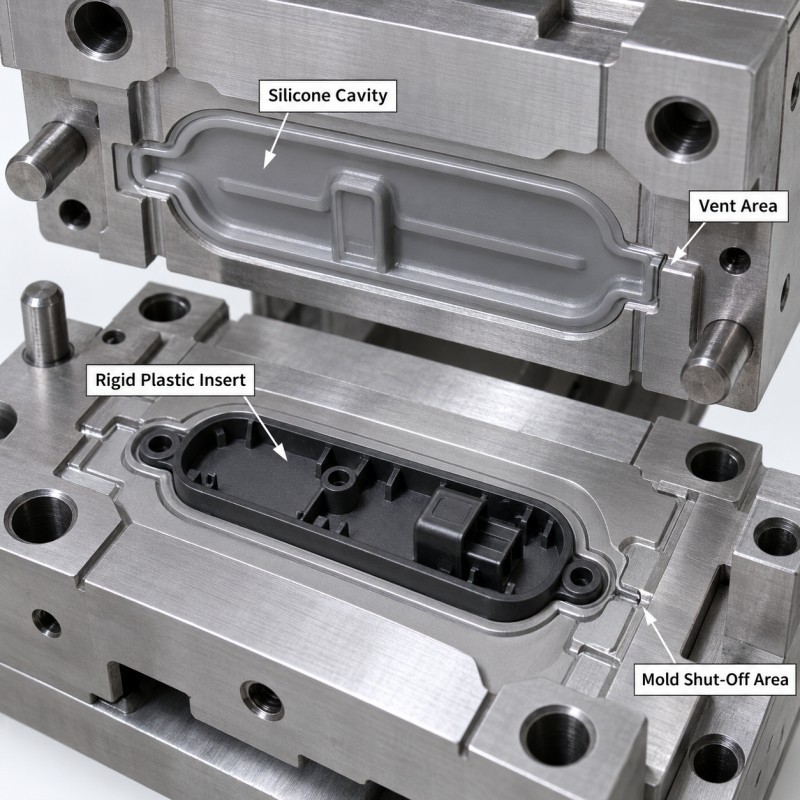
Mold design is one of the most important factors affecting flash control during LSR injection molding and silicone overmolding.
Key design considerations include:
• Accurate shut-off structure
• Proper parting line positioning
• Controlled silicone overflow area
• Optimized venting channels
• Stable insert positioning
Early engineering review helps identify potential flash risks before tooling development.
How Can Engineers Reduce Silicone Overmolding Flash?
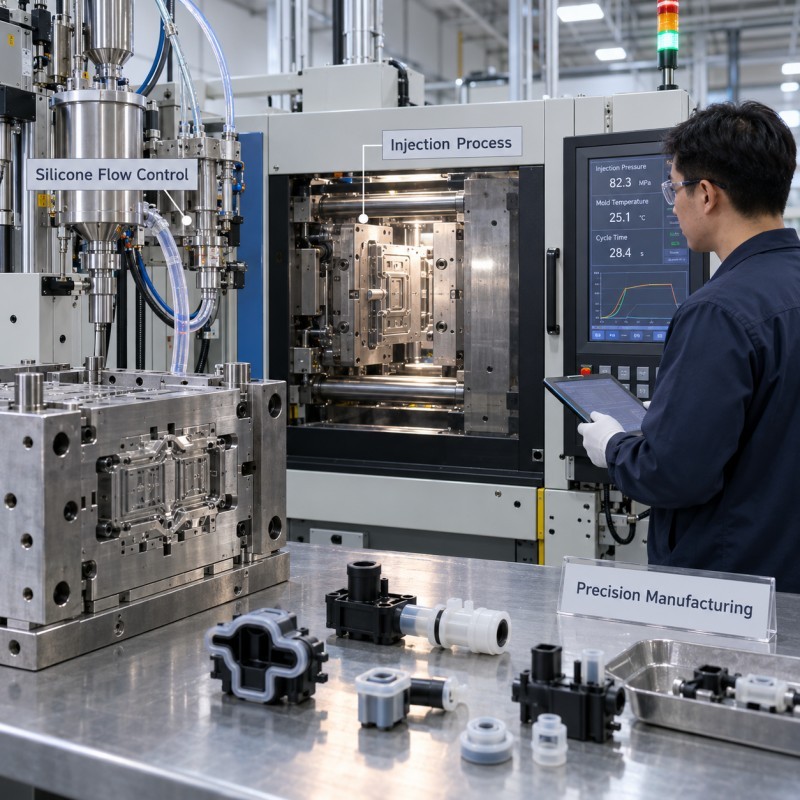
Reducing silicone flash requires cooperation between product design, tooling engineers, and manufacturing teams.
Effective methods include:
• Reviewing silicone coverage requirements before tooling
• Optimizing mold sealing areas
• Controlling injection parameters
• Improving venting performance
• Checking insert tolerances
• Performing first article validation
A complete DFM review can reduce unexpected tooling modifications and improve production stability.
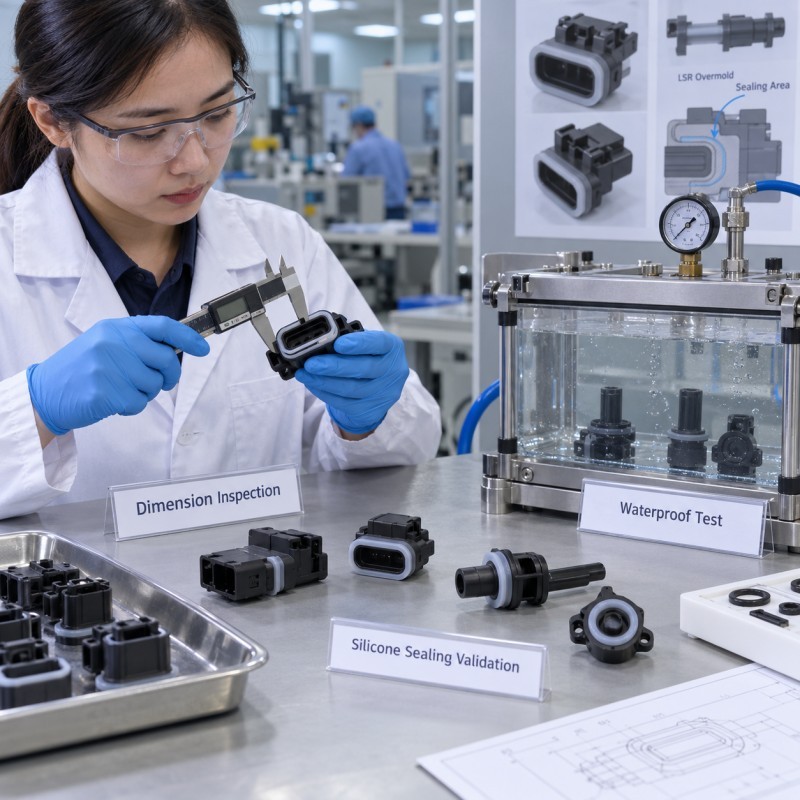
Flash Inspection During LSR Overmolding Production
Before mass production, silicone overmolded parts should be validated through:
• Dimensional inspection
• Silicone edge appearance inspection
• Functional testing
• Waterproof testing
• Assembly verification
Early validation helps manufacturers confirm silicone coverage, sealing performance, and production consistency.
| Inspection Item | Purpose |
Silicone Edge Inspection | Check flash and cosmetic defects |
| Dimensional Measurement | Verify part tolerance |
| Waterproof Testing | Confirm sealing performance |
| Assembly Testing | Prevent interference issues |
Choose an Experienced LSR Overmolding Partner
Successful LSR overmolding projects require more than molding capability.
A reliable manufacturing partner should support:
• DFM engineering review
• Mold design optimization
• Silicone overmolding production
• Quality validation
• Mass production support
SiliconePlus provides custom silicone overmolding solutions for plastic, metal, and FPC applications, helping customers reduce manufacturing risks from prototype development to production.